


Tagore’s Dan Pratidan and the colonial remaking of Bengal’s moral world
21 May 2026, 09:00 AM
In Focus
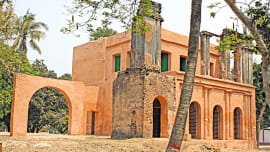
Memories of Indigo Rebellion and the question of national identity
18 May 2026, 00:00 AM
In Focus
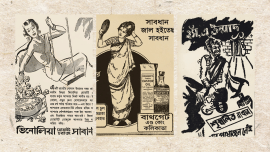
Part 1 / The forgotten art of Bengali advertising
17 May 2026, 14:00 PM
In Focus
Re-reading Nizamuddin Auliya in history and memory
15 May 2026, 08:30 AM
In Focus

Remembering Mrinal Sen: Through rain, memory, and cinema
14 May 2026, 16:39 PM
In Focus

Rethinking the origins of Bongabdo through Bengal’s ecological civilisation
14 May 2026, 08:30 AM
In Focus
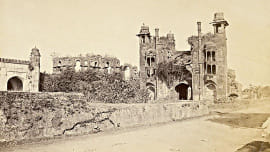
The forgotten front: Rumour, resistance, and the uprising of 1857 in Eastern Bengal
11 May 2026, 00:00 AM
In Focus
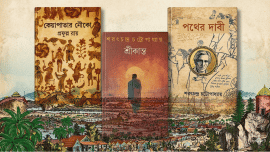
The Burma we imagined in Bengali literature
10 May 2026, 09:30 AM
In Focus

The Dhaka Masterpiece Paintings
8 May 2026, 12:00 PM
In Focus

Nehrus, Mians, and the lost tradition of Hindu-Muslim political coexistence
7 May 2026, 14:00 PM
In Focus
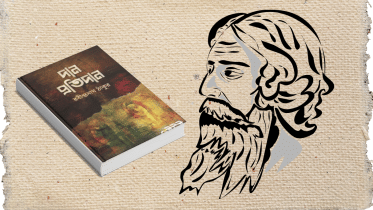
Tagore’s Dan Pratidan and the colonial remaking of Bengal’s moral world
Radha had tragically bought into Braja Sundari’s and the colonial masters’ ‘unnatural’ logic of the cash nexus, ignoring his brother's assurance regarding the organicity and naturalness of munificence–dependence.
21 May 2026, 09:00 AM
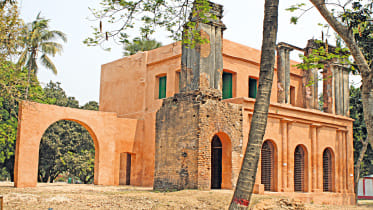
Memories of Indigo Rebellion and the question of national identity
In 1897, synthetic indigo was introduced to the market by BASF and Hoechst, two German chemical giants.
18 May 2026, 00:00 AM
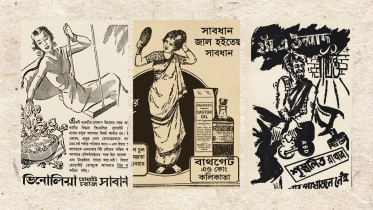
The forgotten art of Bengali advertising
Someone’s great-grandfather might have known which drummers came beating the kara and nakara to announce, "Tonight at seven, the Chaitanya-lila folk play commences."
17 May 2026, 14:00 PM

Re-reading Nizamuddin Auliya in history and memory
As legends associated with the charisma and spiritual power of Nizamuddin Auliya spread, many anecdotes from folkloric traditions began to be linked with his life, which cannot be entirely discarded either.
15 May 2026, 08:30 AM

Remembering Mrinal Sen: Through rain, memory, and cinema
Mrinal Sen transformed South Asian cinema by turning political unrest, middle-class anxieties, and moral contradictions into art.
14 May 2026, 16:39 PM

Rethinking the origins of Bongabdo through Bengal’s ecological civilisation
The more closely we look at Bongabdo, the less it seems like the work of a single dynasty.
14 May 2026, 08:30 AM
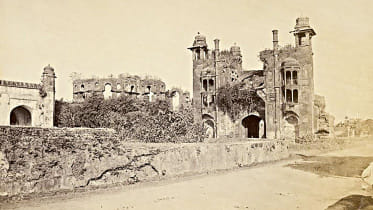
The forgotten front: Rumour, resistance, and the uprising of 1857 in Eastern Bengal
For over a century and a half, the collective memory and historiography of the 1857 uprising, variously termed the ‘Sepoy Mutiny’ or the ‘First Indian War of Independence’, have remained overwhelmingly anchored within the north-central Gangetic heartland of the Indian subcontinent.
11 May 2026, 00:00 AM
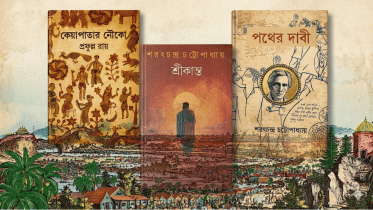
The Burma we imagined in Bengali literature
Burma and Bengal had shared extensive socio-cultural and economic exchanges long before the British landed on their shores.
10 May 2026, 09:30 AM

The Dhaka Masterpiece Paintings
At the opening of the Zoffany exhibition, the 'Nagaphon Ghat' was regarded by many as one of the most beautiful paintings ever.
8 May 2026, 12:00 PM

Nehrus, Mians, and the lost tradition of Hindu-Muslim political coexistence
Amid rising communal rhetoric, the historic bond between Lahore’s Mian family and Allahabad’s Nehrus offers a powerful lesson.
7 May 2026, 14:00 PM
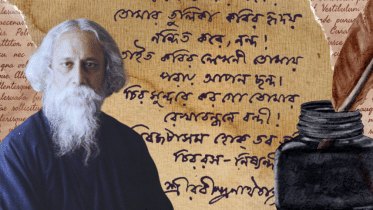
Tagore’s radical vision for rural Bengal
Rabindranath pointed to one particular path for rural advancement: the strategy of a cooperative approach.
7 May 2026, 12:43 PM
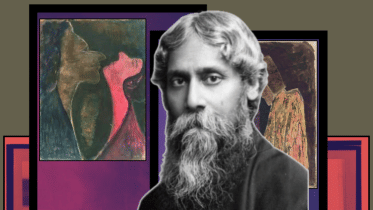
The Rabindranath we have not yet claimed
Rabindranath Tagore’s artistic evolution into a universal humanist was forged through his transformative East Bengal experiences.
7 May 2026, 08:44 AM
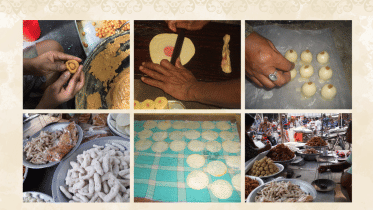
The alchemy of sweet-making in Bengal
Most of the karigars/ustads and people at other levels of work hierarchies pointed to the palm of their hands and said “this is our everything”.
6 May 2026, 09:00 AM
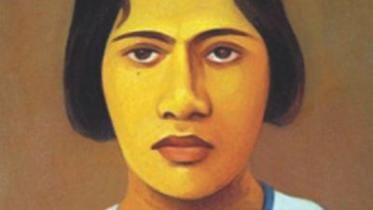
Pritilata Waddedar: Politics of remembrance
Pritilata was much more than just a nurse or a sexual object as portrayed in the media; she wanted her death to mobilise women to join the fight against imperialism, to prove detractors wrong about their abilities.
5 May 2026, 18:59 PM
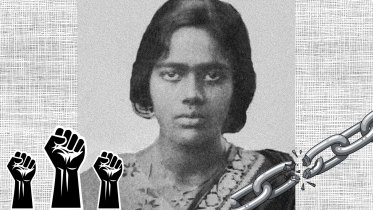
The making of Pritilata Waddedar
On the night of 23 September 1932, Pritilata led a group of approximately 10 to 12 revolutionaries towards the target.
5 May 2026, 09:00 AM
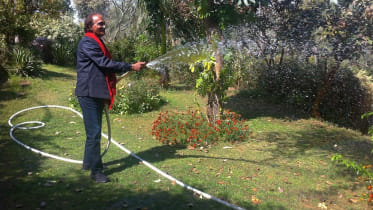
Raghu Rai: When life performs for the camera
For over 60 years, he shaped a visual language that defined the Indian subcontinent.
4 May 2026, 00:00 AM
We Wish to Inform You: Censorship in Bangladesh (1972-2024)
There is still coercive power at the disposal of the state (laws, arrests, closure) and business interests (as owner and advertising client), which can strategically control the flow of news and information.
3 May 2026, 13:16 PM
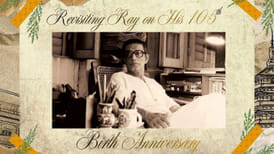
Revisiting Satyajit Ray in the age of noise
What makes Ray’s work endure is not simply its realism, but its insistence on humanity.
2 May 2026, 15:16 PM

Satyajit Ray: The man who found the universe in a dewdrop
From borrowed cameras to global acclaim, Satyajit Ray’s journey reveals patience, struggle, and the power of realism.
2 May 2026, 14:22 PM

Satyajit Ray’s ‘Tagore’ Films
Before taking a close look at the three feature films that comprise Ray’s tribute to Tagore we might note a few similarities between the two cultural giants.
2 May 2026, 09:00 AM