The quiet lessons of Shital Pati
The night before my mathematics exam, there was no electricity and the summer heat felt unbearable. My father sat beside me on a Shital Pati spread across our veranda, patiently helping me solve equations, while my mother sat behind me, gently fanning me with a hand fan. I was a frightened little girl in Class Three, worried about my exam, yet somehow that evening did not feel stressful at all. That single Shital Pati brought my family so close together that fear itself could not reach me.
This is not fiction. It is a memory many Bengali families may recognise in different forms. Even today, whenever life feels uncertain or lonely, I find myself searching for that Shital Pati in my memories — not simply as an object, but as a feeling of comfort, togetherness and peace.
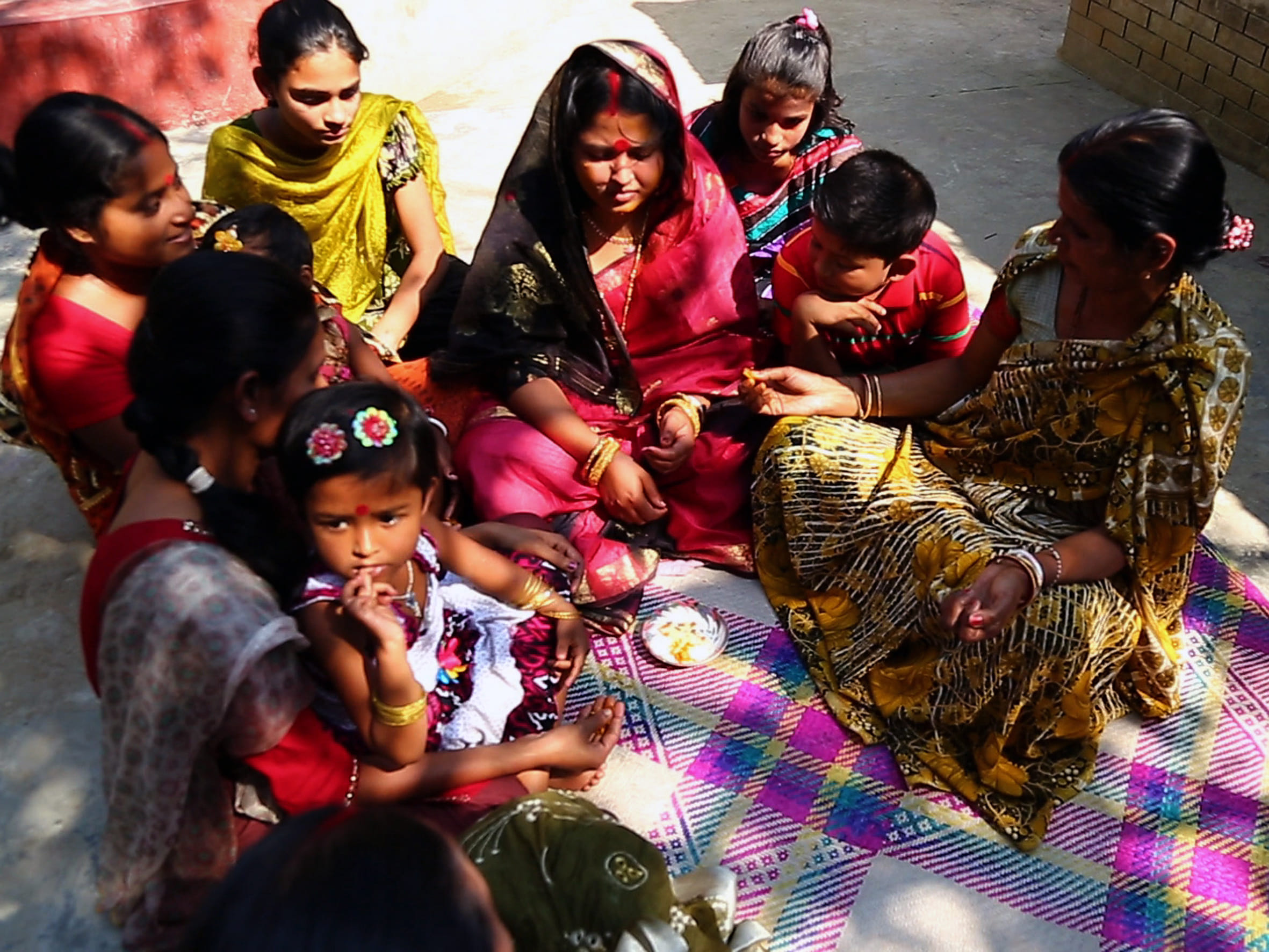
For centuries, Shital Pati has quietly remained part of Bengali family life. Beyond its beauty and craftsmanship, it carries stories of relationships, shared spaces and collective memories passed down through generations.
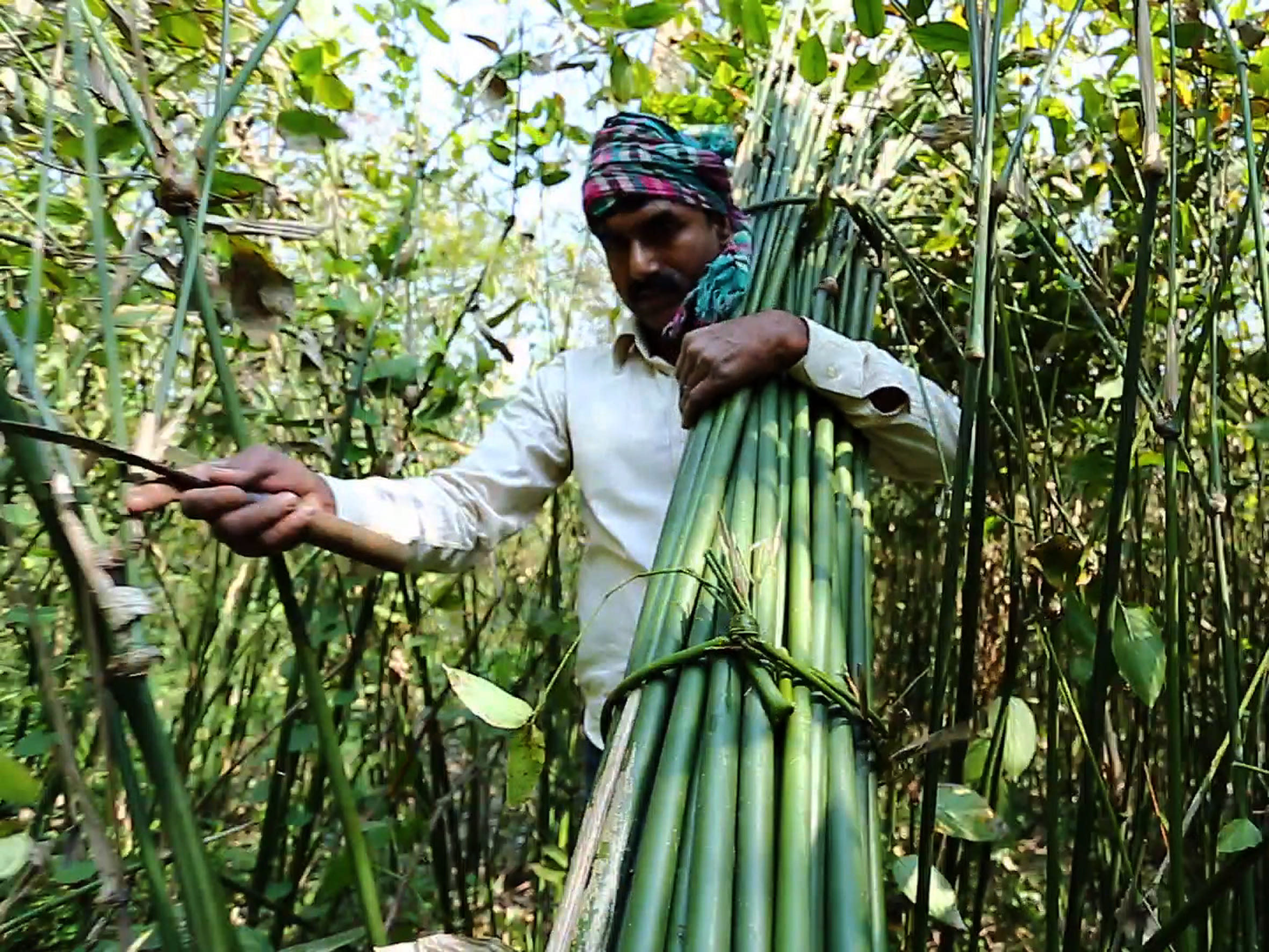
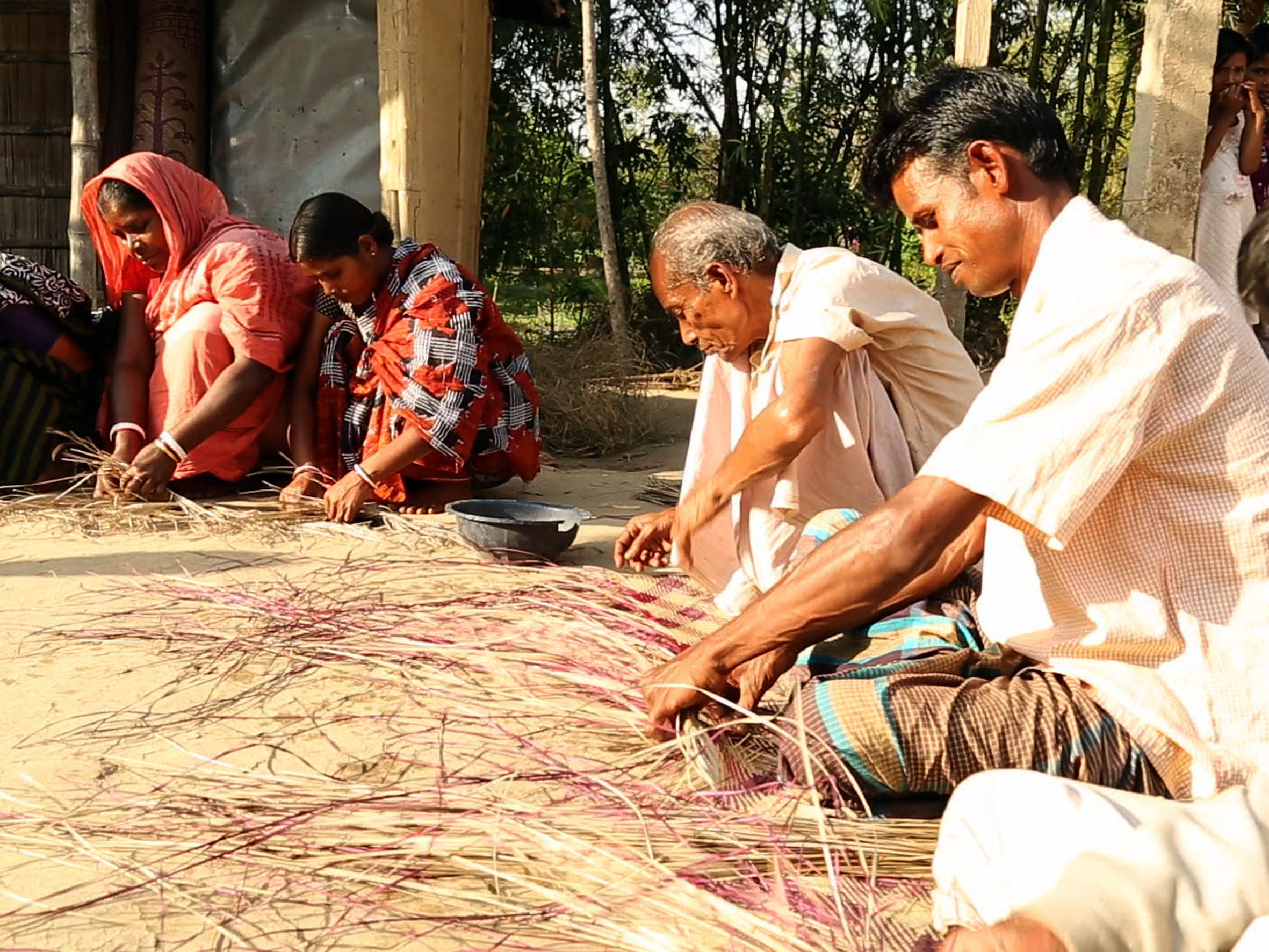
Shital Pati is traditionally handcrafted from Murta cane, a green plant that grows abundantly in the wetlands of greater Sylhet. The word “Murta” itself means pearl, and for many rural families whose livelihoods depend on weaving Shital Pati, the plant is no less precious than one. The process of making a Shital Pati is long and delicate. Men usually collect and prepare the Murta cane, while women are more involved in the weaving process itself. Together, families create mats filled with colourful patterns and remarkable precision — a process that still feels magical to witness.
Growing up, during summer vacations in my village home, Shital Pati seemed to exist everywhere. It was spread across beds to make the heat more bearable. Mothers and aunts sat together in the courtyard on Shital Pati, sharing stories and laughter during long afternoons. Even the hand fans in their hands were often made from Shital Pati. It was never merely a household object. It quietly shaped the rhythm of family life.
In 2017, UNESCO officially inscribed the traditional art of Shital Pati weaving of Sylhet on the Representative List of the Intangible Cultural Heritage of Humanity. UNESCO recognises not only the artistic beauty of the craft, but also its role in strengthening social bonds, empowering communities and preserving intergenerational knowledge.
This connection between culture, learning and peaceful coexistence feels especially meaningful during UNESCO’s Culture and Arts Education Week under the theme “Culture and Arts Education for Lasting Peace.” Like many traditional practices, Shital Pati teaches without classrooms or textbooks. Learning happens through observation, participation and shared experience. A child watches elders weave patterns, listens to conversations while sitting together on the mat and slowly inherits not only a craft, but also values of patience, cooperation and harmony.
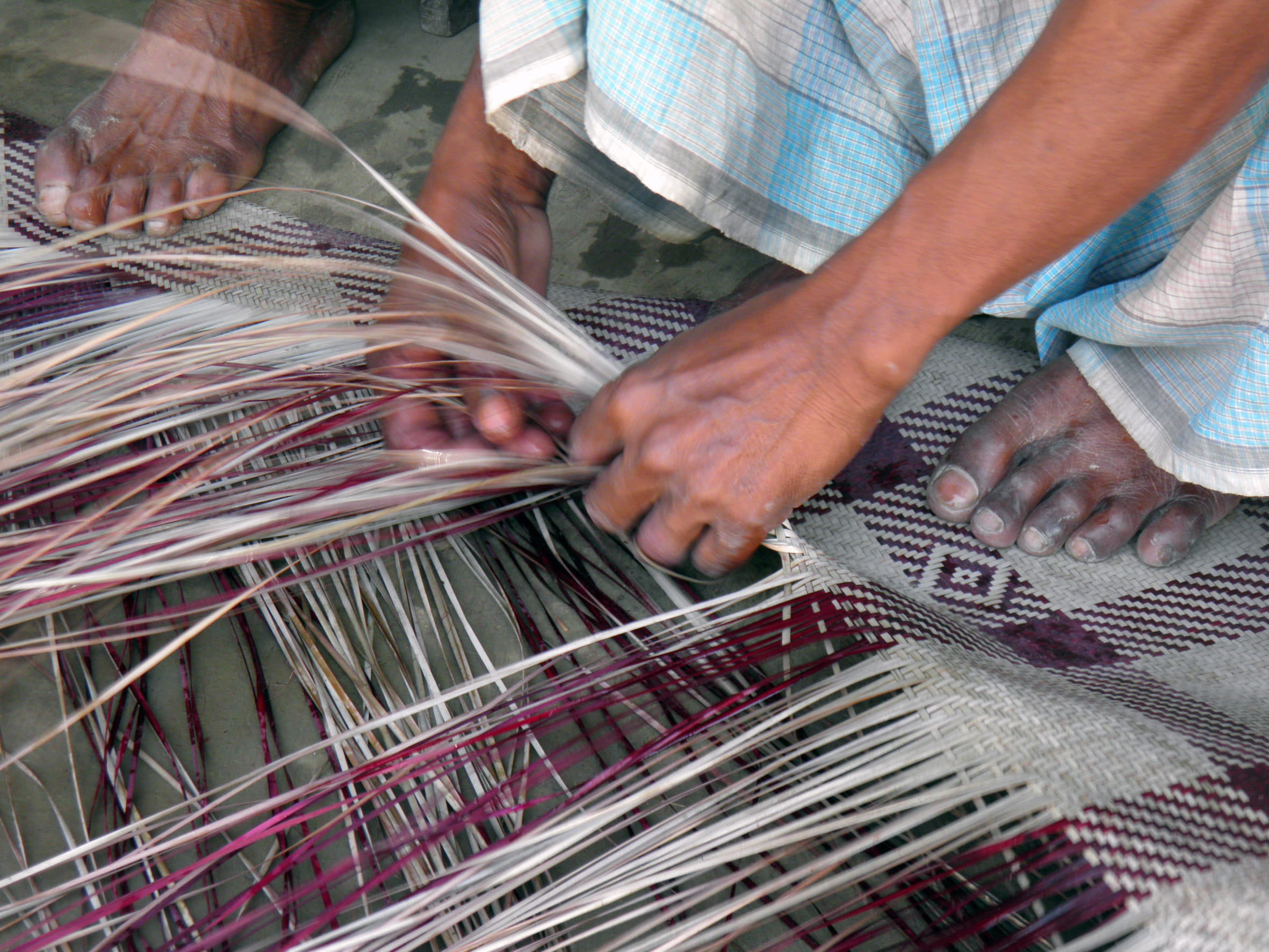
Perhaps this is where Shital Pati connects most deeply with peace education. Peace is not always built through grand declarations. Sometimes it begins in ordinary spaces — families sitting together, people working side by side and generations sharing knowledge with care and respect. The process of weaving Shital Pati itself depends on collaboration, rhythm and mutual support. In many ways, it reflects the same values needed to build peaceful societies.
Yet today, Shital Pati is slowly disappearing from our daily lives under the pressure of modernisation. As it fades, we are not only losing a traditional craft. We are also losing the moments attached to it — the evening conversations, the shared labour of weaving together and the quiet sense of belonging it once created within families and communities.
Fortunately, different organisations and cooperatives are now working to revive and promote Shital Pati’s craftsmanship. Artisans are creating contemporary products, and many are reaching international markets as well. These efforts are important not only for economic survival, but also for safeguarding a vital part of our cultural identity.
I hope future generations will know Shital Pati not simply through stories from their parents or grandparents, but through touch and experience in everyday life. I want them to sit on it, feel its coolness and understand how something so simple can carry warmth, memory and peace within its woven patterns.
Perhaps that is the quiet lesson of Shital Pati. Like peace itself, its beauty is created slowly — strand by strand, hand by hand and generation by generation.
Maumita Biswas is a visual communication and creative professional working on storytelling, design, and public engagement initiatives. She currently serves as a Visualiser at UNESCO Dhaka Office.
Send your articles for Slow Reads to slowreads@thedailystar.net. Check out our submission guidelines for details.

Kolkata's Eid, my Eid

Mercy, love, and pluralism: A sufi vision of Islam
Beyond the loom: How Jamdani preserves the values of peace
Hair oil, bumblebees, and the lost world of Bengali advertising art
The tale of some rare portraits from Nazrul’s final days

Tuning the melody of Baul songs into peace education
Shreemati Rassundari and the making of the first autobiography by a Bengali woman

Nabayug: Nazrul’s radical pen and Fazlul Huq’s leadership
Reading Nazrul in an age of inequality