Beyond the loom: How Jamdani preserves the values of peace
For centuries, generations of hands in Jamdani weaving communities have worked in quiet rhythm, passing knowledge and craftsmanship from one generation to the next. A father shows his young child how to run his fingers over threads stretched across a loom. Family members discuss motifs and patterns that have been handed down through generations, while skilled hands gently correct minor errors and demonstrate new techniques. In Jamdani weaving communities, learning does not take place through books or formal schooling but through conversations, shared spaces and everyday interactions between people.
Thirty-five-year-old Mohammad Sajib from Tarabo, Rupganj, was once that child sitting beside the loom. Before him, his father was a Jamdani weaver. Before his father, his grandfather carried the same craft in his hands. Today, Sajib carries forward a tradition passed down through generations of his family, not only as a profession but as a living inheritance of knowledge, patience and identity.
Jamdani is one of Bangladesh’s most treasured cultural traditions. It is admired for its intricate beauty and extraordinary craftsmanship. Yet beneath its delicate designs and fine threads lies another story, one woven not with cotton alone but with human relationships, shared memories and community values.
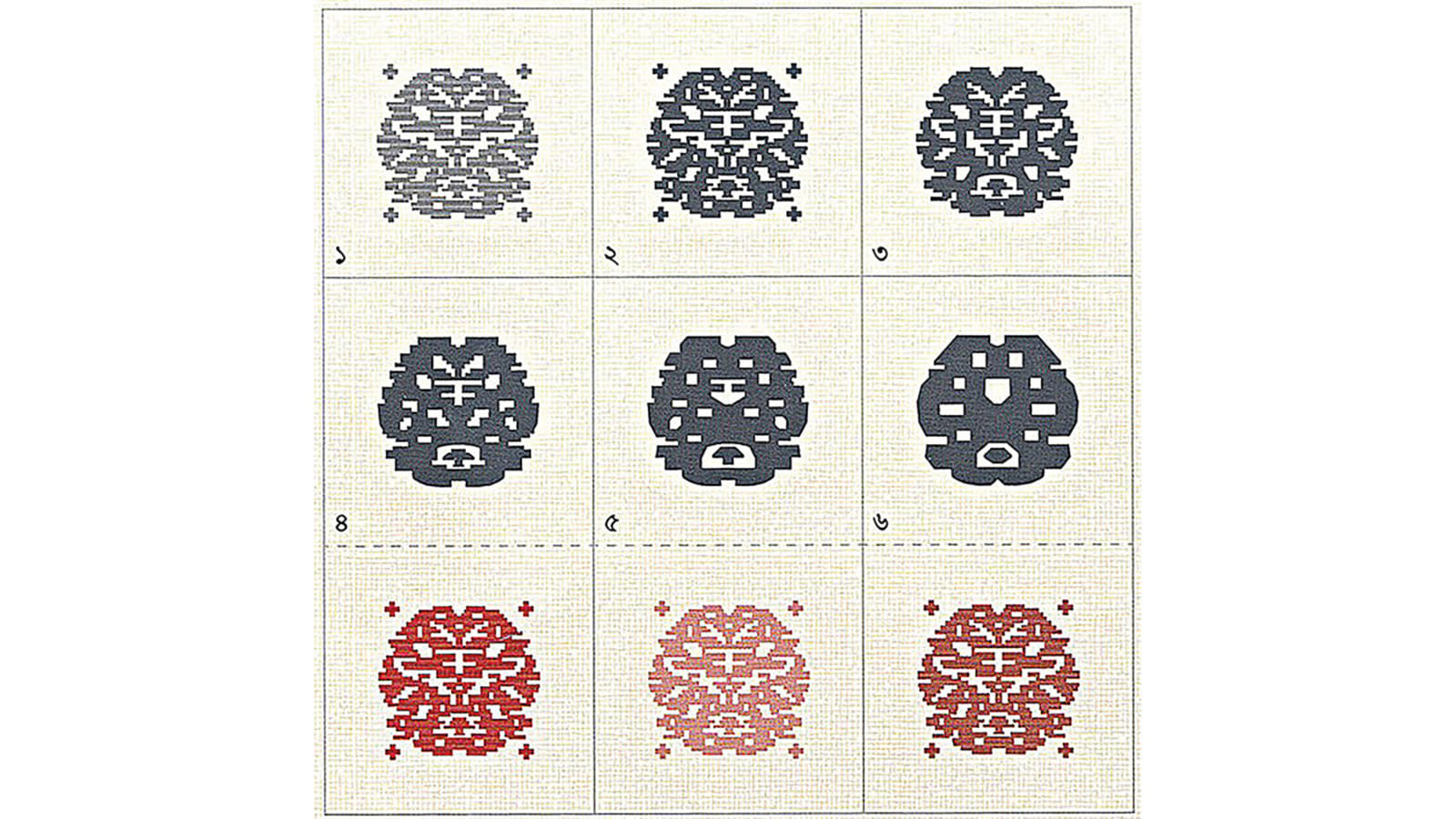
Jamdani weaving reminds us that education does not only happen within classrooms or institutions. UNESCO’s Culture and Arts Education Week, under the theme “Culture and Arts Education for Lasting Peace”, echoes this very idea. Sometimes learning takes place beside a loom through observation, repetition and intergenerational exchange. Some of the most valuable lessons are taught quietly through everyday practices that are carried forward across generations.
Jamdani is not just about the craft itself but also about the people and relationships that sustain it. Families, artisans, apprentices, traders and entire communities all contribute to keeping this tradition alive. Knowledge is shared rather than owned. Skills are passed on rather than concealed. One generation teaches the next not only how to weave intricate patterns but also how to preserve the values that surround the craft itself.
This may be one of Jamdani’s most important lessons. Peace, much like weaving, is rarely built in isolation. It grows through cooperation, trust and understanding among people. As Sajib said, “Jamdani taught me that beautiful things are created slowly, with patience, care and people working together.”
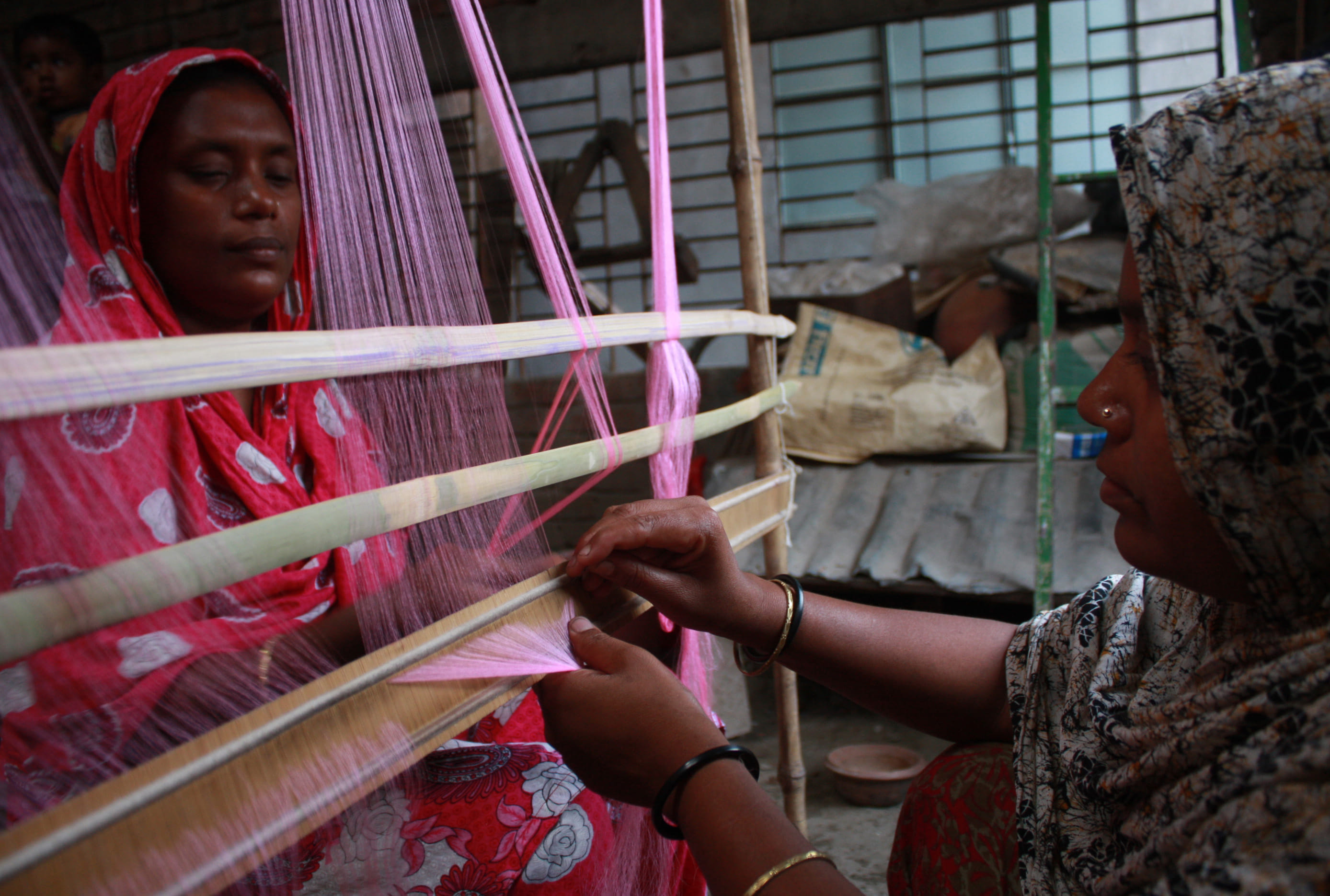
Making Jamdani requires remarkable patience. The process cannot be rushed. Every motif is carefully inserted by hand. Two weavers often sit side by side, working in coordination and maintaining rhythm and precision. A small mistake can alter an entire design. This demands concentration, mutual respect and harmony.
Peaceful societies also share a similar set of ideals. Living together requires patience with differences, respect for others and the ability to work collectively towards something greater than ourselves. In a world that increasingly values speed, separation and individualism, Jamdani quietly points towards another path, one founded not on haste but on care.
Jamdani also speaks of belonging beyond the craft itself. Cultural traditions help communities understand who they are and where they come from. They connect people to places, memories and shared histories. For younger generations, engaging with these traditions means inheriting much more than technical skills. It means inheriting identity, responsibility and a sense of connection with those who came before them.
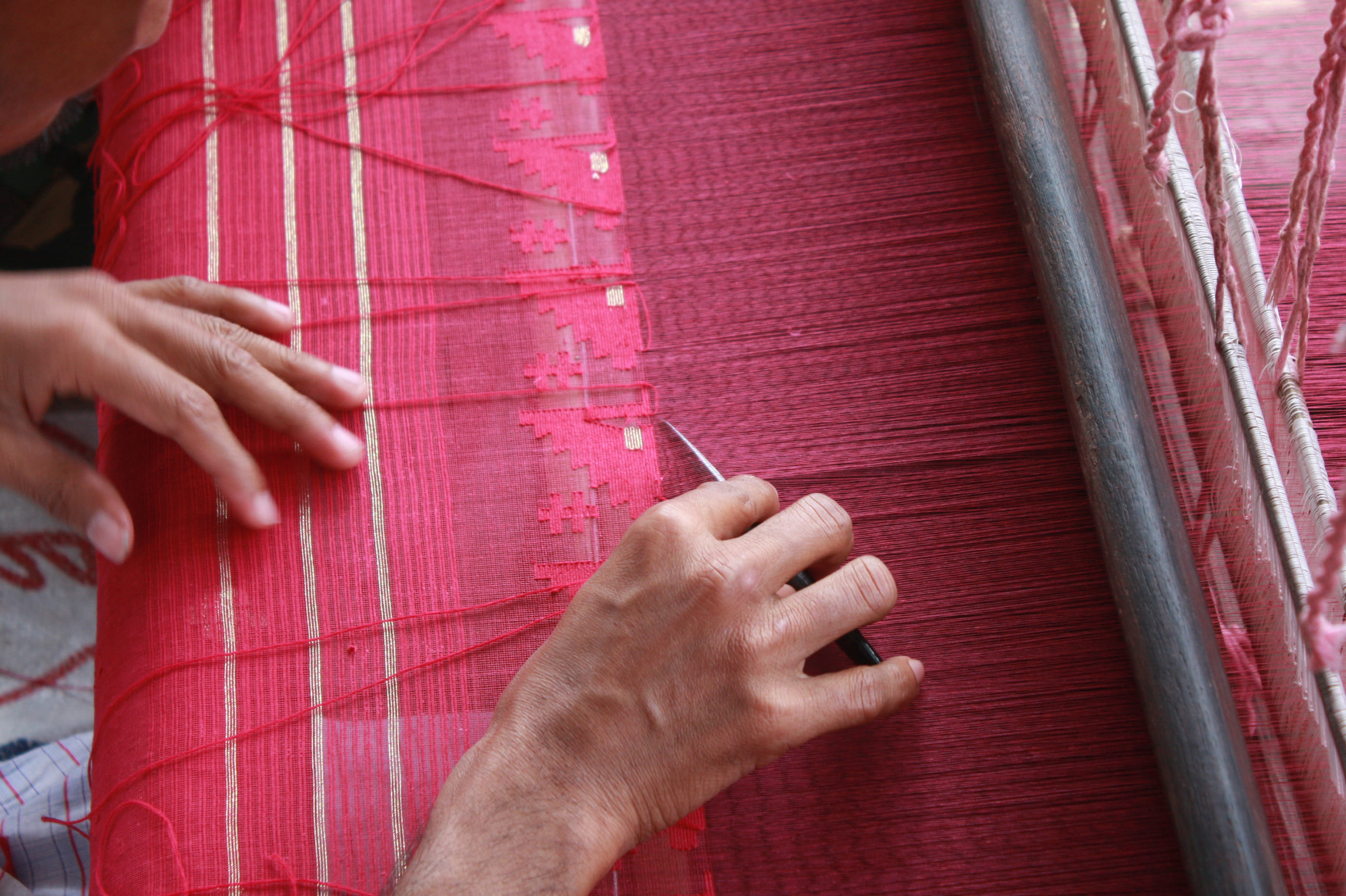
In many ways, peace education is also cultural education. It teaches us to value people, appreciate diversity and understand the importance of harmony. It reminds us that heritage is not simply about preserving traditions for museums. Rather, it is about carrying forward values that help communities coexist. Today, conversations around education often focus on technology, skills and economic outcomes. Traditions such as Jamdani encourage us to think about learning differently. Not all valuable learning can be measured through examinations or certificates. Some of the most important lessons are acquired through observation, interaction and lived experience.
Every Jamdani pattern embodies more than artistic brilliance. Within it are lessons in patience, cooperation, memory and belonging. Perhaps that is why Jamdani continues to matter today, not only because it preserves Bangladesh’s heritage but also because it reminds us that peace, like weaving, is built thread by thread.
Rakibur Rahman Tamim is a development professional working at the intersection of communication, education and culture, with a particular interest in storytelling and community-driven change. He currently serves at UNESCO Dhaka Office. He can be reached at: mrrtamimbd@gmail.com.
Send your articles for Slow Reads to slowreads@thedailystar.net. Check out our submission guidelines for details.
Part 2 / Hair oil, bumblebees, and the lost world of Bengali advertising art
The tale of some rare portraits from Nazrul’s final days

Tuning the melody of Baul songs into peace education
Shreemati Rassundari and the making of the first autobiography by a Bengali woman

Nabayug: Nazrul’s radical pen and Fazlul Huq’s leadership
Reading Nazrul in an age of inequality

East Bengal’s victory and the memory of lost homes
The stolen haq of Qurbani hides
Tagore’s Dan Pratidan and the colonial remaking of Bengal’s moral world