


Banning groundwater irrigation in the Barind Tract is not the answer

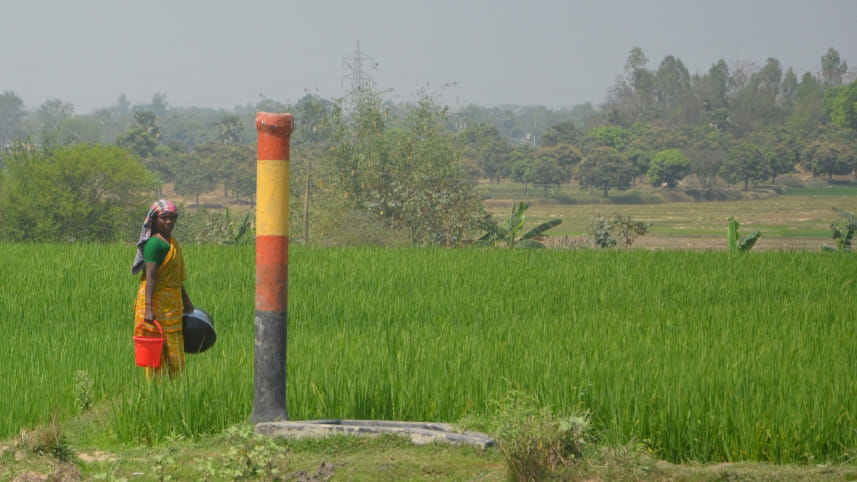
In the 1970s, Bangladesh faced recurring food shortages driven by floods, droughts, and monsoonal uncertainty. Today, it feeds nearly 18 crore people. Rice output rose from about one crore tonnes in 1971 to 3.7 crore tonnes in 2020. This transformation was powered largely by groundwater. The country withdraws around 32 cubic kilometres of groundwater annually on average, roughly equivalent to draining nearly five Kaptai Lake reservoirs.
The Green Revolution of the 1980s and 1990s introduced high-yield crop varieties, fertilisers and, crucially, groundwater-fed irrigation. Nearly 80 percent of dry season Boro rice depends on groundwater. Without it, near self-sufficiency in food grains would not have been possible.
 For all latest news, follow The Daily Star's Google News channel.
 Nowhere is this shift more striking than in the Barind Tract of northwest Bangladesh. Once drought-prone and famine-affected, it became one of the country’s rice bowls through intensive irrigation. I refer to this as the “Barind Paradox”: groundwater transformed a dry landscape into an agricultural powerhouse, yet overuse now threatens the sustainability of that success.
Groundwater abstraction has increased dramatically over the years. In the High Barind Tract and adjoining areas, the geological conditions limit additional recharge. In some areas, dry season groundwater levels now fall below the lifting limit of traditional hand-operated wells (around seven to eight metres), making access to drinking water increasingly difficult. In several unions, seasonal shortages have become persistent, and in a few places, perennial.
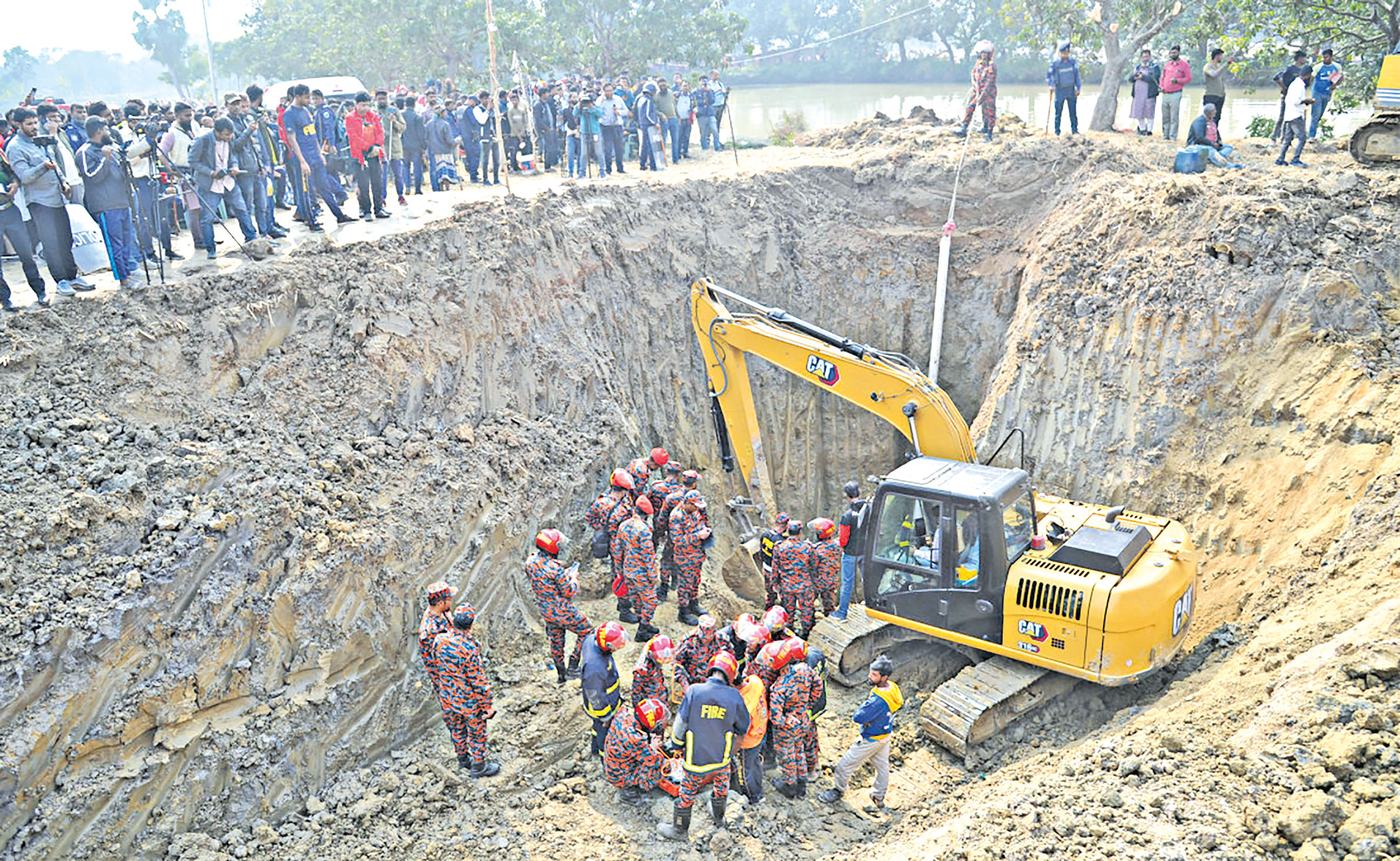
These realities demand serious policy attention. However, the gazette notification by the interim government, designating 4,911 villages across 25 upazilas in three districts (Rajshahi, Naogaon and Chapainawabganj) of the Barind Tract region as water-stressed for 10 years, introduced sweeping restrictions that may create new risks while attempting to solve existing ones.
The notification states, “The construction of new tubewells and extraction of groundwater for any purpose other than drinking water will be prohibited, and the abstraction of groundwater through existing tubewells for any purpose other than drinking water supply will be prohibited.” The notification also states that compliance with regulations is mandatory and that any violation will be considered a punishable offence under the Bangladesh Water Act, 2013.
This is a profound shift. The notified area covers roughly 5,000 square kilometres of irrigated land, where an estimated 100,000 shallow and deep tubewells operate officially during the Rabi season, according to the 2018-19 Bangladesh Agricultural Development Corporation (BADC) Minor Irrigation Report. Around 14 lakh farmers depend directly on groundwater irrigation in these 25 upazilas. An outright ban across such a vast area could destabilise one of the pillars of the country’s food security.
Three concerns arise due to this ban. First is the immediate economic and social impact. Farmers, agricultural labourers, agri-input suppliers and local businesses form an interconnected rural economy built around irrigated agriculture. A sudden ban risks disrupting livelihoods at scale, particularly in a region where alternative water sources and income opportunities are acutely limited.
The second is enforceability. Policing groundwater abstraction would be extremely challenging. Blanket bans often lead to unintended consequences, including informal or illegal pumping. Early indications suggest irrigation has not ceased in most areas, highlighting the difficulty of enforcing the ban. Regulation without realistic enforcement mechanisms can erode respect for policy, rather than strengthening it.
The third concern is about governance and trust. For decades, institutions such as the Barind Multipurpose Development Authority (BMDA), the Department of Agricultural Extension (DAE), and NGOs like BRAC have worked closely with farming communities to expand irrigation, improve productivity, and reduce poverty. A top-down prohibition risks weakening that long-standing trust. Effective water management depends not only on regulation but also on cooperation between communities and local institutions.
The policy appears to draw heavily on a 2025 report commissioned by the Water Resources Planning Organisation (WARPO) and conducted by the Institute of Water Modelling (IWM), which assessed groundwater storage, recharge and safe yield in the Barind Tract region. While the comprehensive and technically robust study identifies areas of water stress and calls for improved water management, it did not recommend a blanket ban on irrigation. Some of its assumptions merit careful reconsideration in translating scientific findings into policy.
Groundwater recharge was estimated using a single-year (2017) water balance model, with 75 percent treated as the “safe yield” for each union. Yet, recharge in northwest Bangladesh is dynamic. Over the past three to four decades, intensive irrigation pumping has induced additional recharge—the “Bengal Water Machine” recognised in the WARPO report. Using a one-year estimate to set long-term abstraction limits risks oversimplifying this evolving hydrogeological system. It also assumes groundwater levels must return to pre-irrigation conditions to achieve “safe yield,” overlooking structural shifts in both water use and recharge since the 1990s. Under sustained irrigation, aquifers tend to adjust towards a new dynamic equilibrium over time rather than revert to their pre-development state.
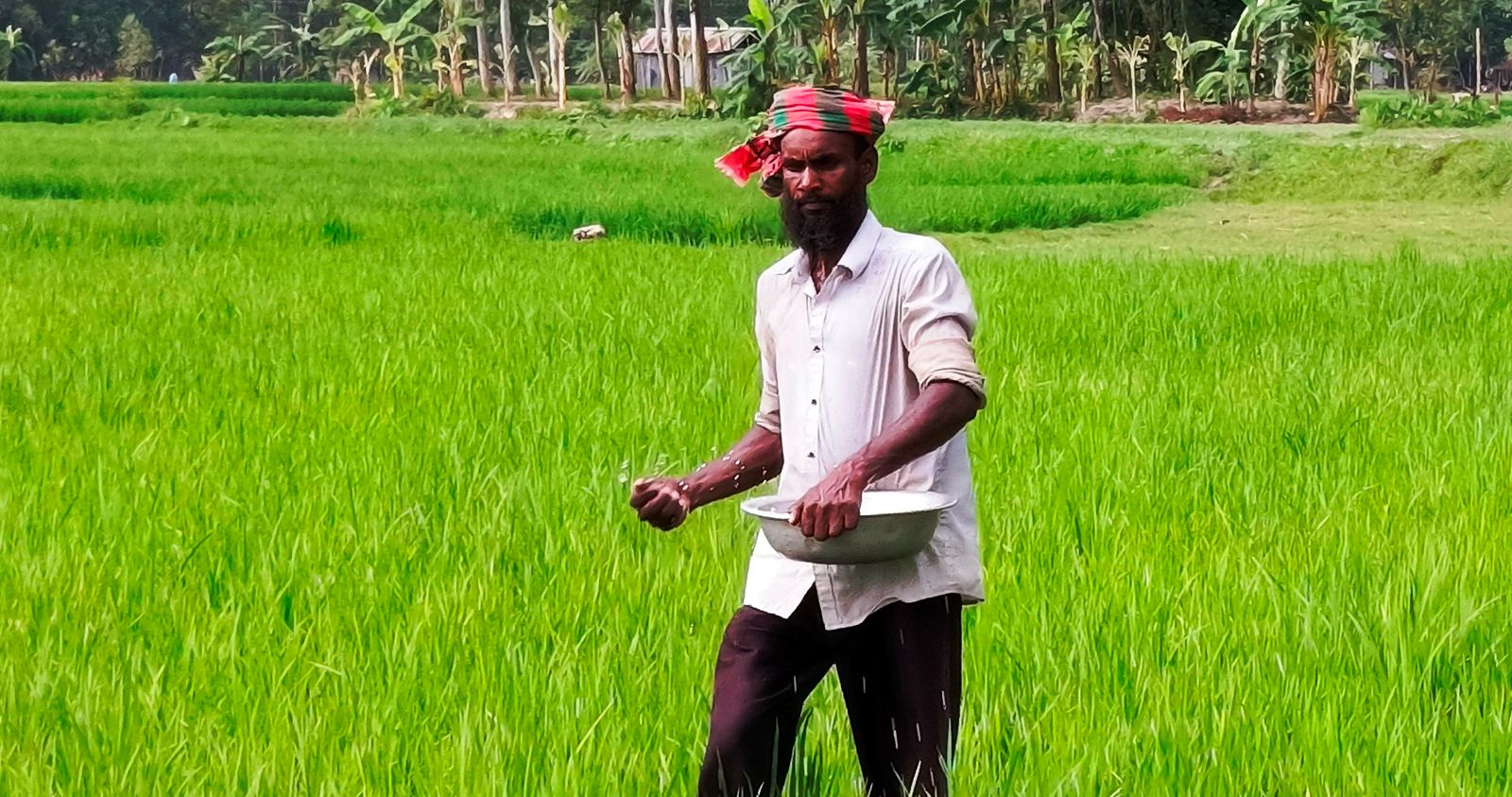
Groundwater depletion should not be ignored. In parts of the High Barind Tract, water stress is severe and targeted restrictions are justified. However, a blanket ban risks being disproportionate. If the same criteria were applied, Dhaka would also qualify as a highly water-stressed area. Yet, the strategy there has been a gradual transition and diversification, not prohibition, recognising the economic and political realities of managing a capital city. If Dhaka is managed through transition rather than bans, why should the Barind Tract be treated differently?
A more balanced and staggered approach in the Barind Tract would impose strict pumping bans on the most critically stressed unions, starting with those classified as very high water-stressed (47 unions fall into this category). Installation of new irrigation wells should not be permitted in high water-stressed zones (40 unions), and abstraction should be gradually reduced by 50 percent over the next five years. Irrigation, with close monitoring of groundwater levels, should be allowed in moderate to very low-stress areas (128 unions). Deficits could be addressed by redistributing irrigation demand, promoting the conjunctive use of surface and groundwater where feasible, improving canals, and enhancing rainwater storage in pond-based systems.
Crop diversification must also be accelerated. Farmers are already gradually shifting from water-intensive rice to other, less water-demanding crops. High-value crops such as mango and dragon fruit—as well as alternative livelihoods like livestock, dairy, poultry, and small-scale enterprises—deserve policy support. But transitions take time. Abrupt prohibitions can undermine adaptive change rather than facilitate it.
Surface water use should be expanded where reliable, though its availability remains highly seasonal, and climate variability adds uncertainty. Strengthening local institutions such as BMDA, DAE services and NGOs will be essential to restoring trust and implementing context-specific solutions.
Groundwater has been central to Bangladesh’s agricultural transformation, lifting millions out of hunger. Yet, overuse in some areas now demands careful stewardship. The answer is not indiscriminate bans, but smarter zoning, groundwater and abstraction monitoring, and targeted regulation. The country does not need to choose between food security and environmental sustainability; both require science-based, proportionate and integrated water resources management.
Dr Mohammad Shamsudduha teaches in the Department of Risk and Disaster Reduction at University College London, UK. He can be reached at m.shamsudduha@ucl.ac.uk.
Views expressed in this article are the author's own.
Follow The Daily Star Opinion on Facebook for the latest opinions, commentaries, and analyses by experts and professionals. To contribute your article or letter to The Daily Star Opinion, see our guidelines for submission.


Comments