


Salahuddin cites Liberation War to defend indemnity for July Uprising leaders

Home Minister Salahuddin Ahmed has said that actions taken during wars and uprisings cannot always be judged strictly as human rights violations, citing both the 1971 Liberation War and the 2024 mass uprising.
“Did human rights violations not occur at the hands of freedom fighters during the Liberation War? Yes, it happened,” he remarked. “Everything is said to be fair in love and war, and now people say everything is fair in politics as well.”
 For all latest news, follow The Daily Star's Google News channel.
 Speaking at a dialogue, titled “National Human Rights Commission Ordinance 2025: Expectations from the New Parliament,” at the Bangladesh‑China Friendship Conference Center in Dhaka's Agargaon, Salahuddin said questions are being raised about whether leaders of the July uprising should face legal cases.
He stressed that they were granted indemnity under the July National Charter and that the government must remain committed to that decision.
He argued that if actions during the uprising are treated strictly as human rights violations, similar arguments could be raised about freedom fighters’ actions against collaborators in 1971. “If that logic is applied, then cases could also be filed against freedom fighters for killing their enemies during the war,” he said.
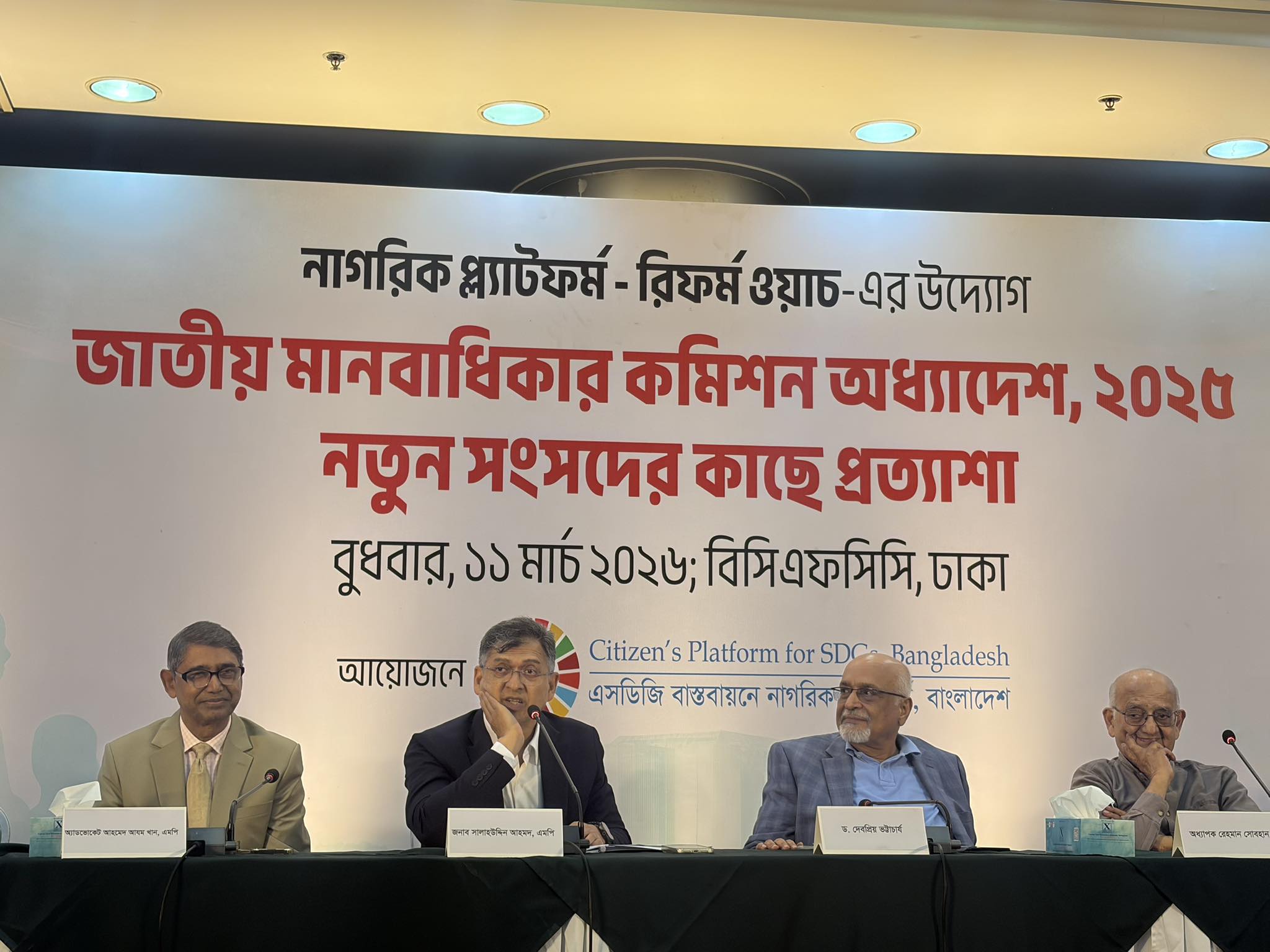
The minister added that his party is committed to protecting human rights, noting that fundamental rights are enshrined in the Constitution and included in BNP’s manifesto and 31‑point reform plan.
He acknowledged, however, that the Human Rights Commission Ordinance may require amendments when presented as a bill in the parliament.
Salahuddin explained that parliament must decide on ordinances within 30 days of a session, but the timeline is challenging due to national holidays.
He said not all of the 133 ordinances can be reviewed within the deadline, and some may lapse automatically before being reintroduced as bills.
He also addressed the law on enforced disappearances, saying its intention is good but some provisions, particularly those on superior liability, need further scrutiny.
Bangladesh, he said, aims to meet international human rights standards but must move gradually, considering social, cultural, and political realities.
The minister emphasised the need to balance human rights protections with state responsibilities, including the role of defence forces in safeguarding sovereignty.
Comments