


Chhayanaut to resume classes in two weeks
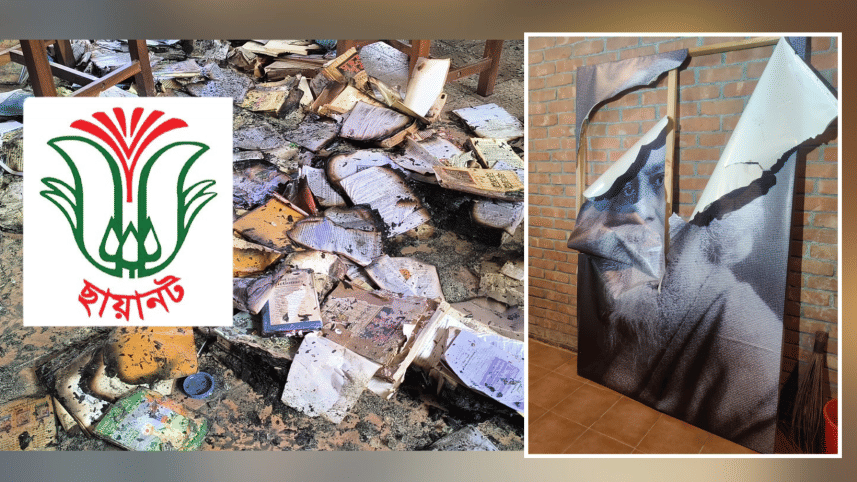
Within the scarred walls of Chhayanaut, the repair of a broken harmonium is more than a maintenance task, it is an act of institutional defiance. Following a targeted attack by a mob in the early hours of Friday (December 19), the leadership of Bangladesh's premier cultural sanctuary has announced a timeline for recovery that is as ambitious as it is resolute: music and dance classes for its 4,000 students will resume within a fortnight.
 For all latest news, follow The Daily Star's Google News channel.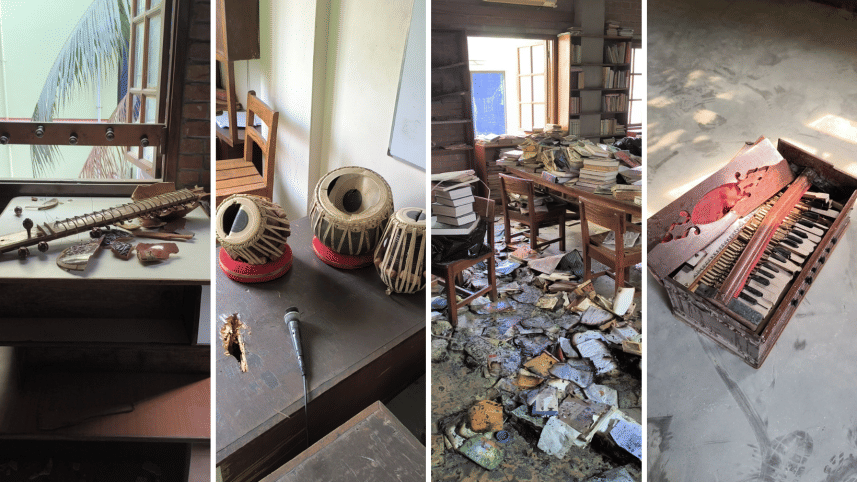
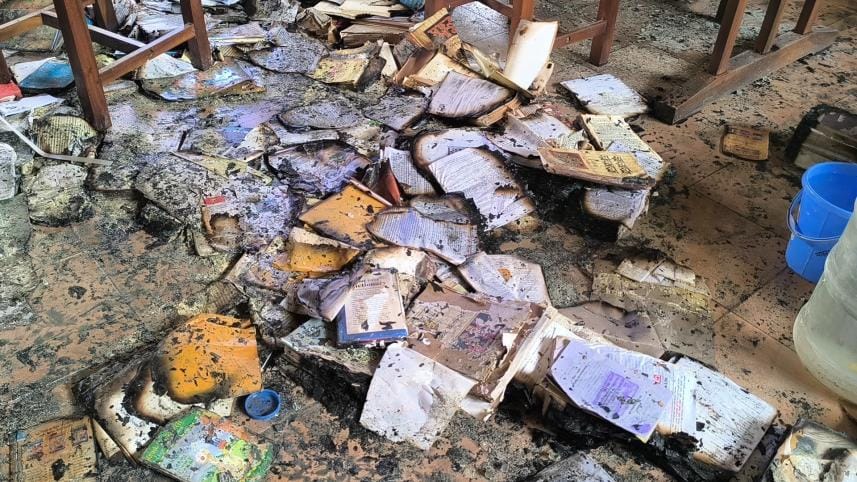
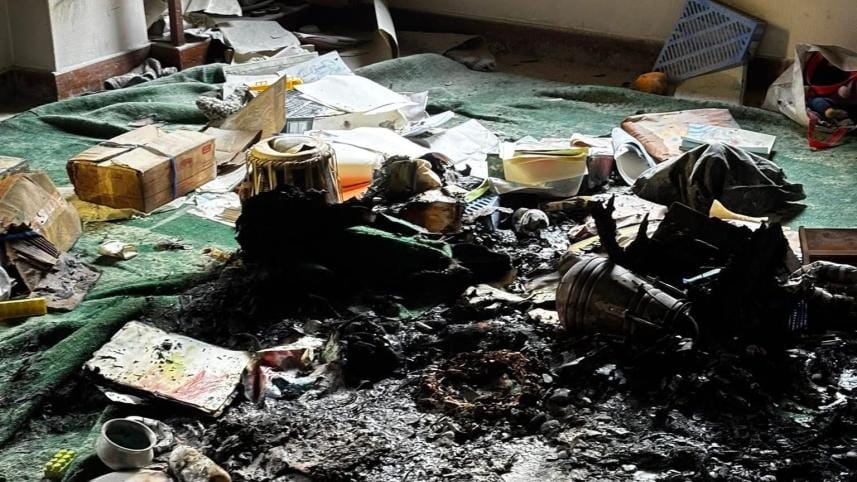
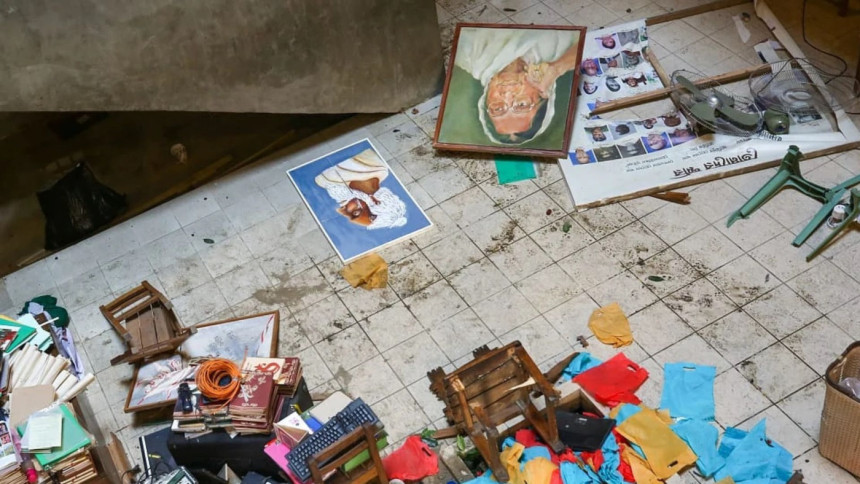
The violence, which occurred around 1:30am on Friday, saw a mob force entry into the Dhanmondi premises, systematically destroying instruments and ransacking classrooms. The incident was part of a broader wave of unrest that simultaneously targeted the offices of The Daily Star and Prothom Alo. Yet, before the debris was even cleared, the focus of the institution had shifted from the damage sustained to the continuity of its mission.

"Our main focus now is to resume the classes," said Sarwar Ali, president of Chhayanaut. Ali, a freedom fighter who carries the institutional memory of the 1971 Liberation War, dismissed any suggestion of a prolonged hiatus. He confirmed that while the rooms require physical repairs and a new fleet of instruments must be procured, the school's pedagogical engine will be running again in 14 days.
Perhaps most telling of Chhayanaut's ethos is its refusal to adopt the posture of a victim. Despite a visit from Mostofa Sarwar Farooki, the cultural affairs adviser to the interim administration, who pledged government financial aid, the institution has signalled its intent to rebuild on its own terms. "We are a self-sustaining organisation," Ali noted, "and will manage to get over the losses on our own."
This independence is not a new development. Chhayanaut has historically functioned as a pillar of secular Bengali identity, surviving various periods of political volatility, including the 2001 Ramna Batamul bombings. That history of resilience was mirrored on Friday afternoon when, only hours after the vandals had departed, students and citizens gathered outside the building to sing Rabindranath Tagore's "Songkocher Bihobolota Nijere Opoman". It was a public performance of the institution's core curriculum: the refusal to be intimidated by reactionary violence.
Comments