


Meta brings scam detection tools to WhatsApp, Facebook, and Messenger
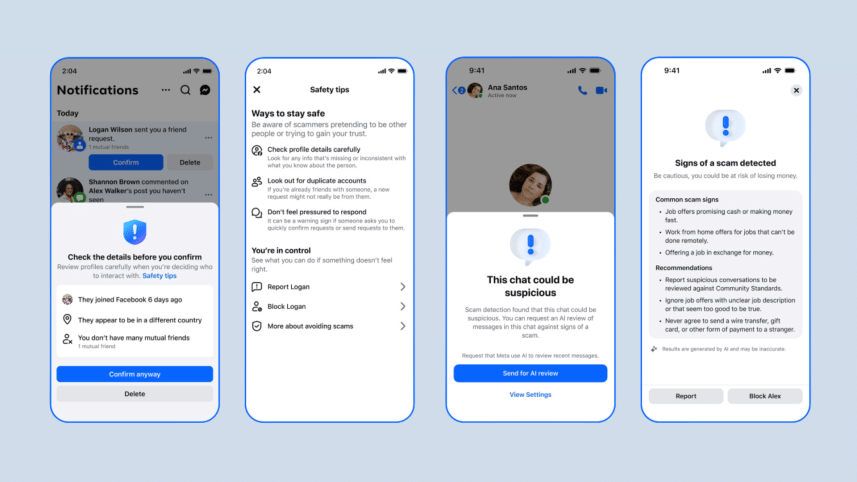
Meta is introducing new scam detection tools across its messaging and social media platforms, including WhatsApp, Facebook, and Messenger.
On WhatsApp, Meta is introducing warnings related to device-linking requests, a feature that allows users to connect their accounts to additional devices. The company said scammers sometimes attempt to trick users into sharing linking codes or scanning QR codes under false pretences, which could allow a malicious actor to connect their device to a victim’s account.
 For all latest news, follow The Daily Star's Google News channel.
 Under the new system, WhatsApp will alert users when behavioural signals suggest that a device-linking request may be suspicious. The alert will show where the request originated and warn that it could be associated with a potential scam.
In a recent blog, the company said the new features are designed to alert users before they interact with potentially suspicious accounts or messages. Scammers often attempt to avoid detection by initially operating accounts in ways that do not immediately appear malicious, as per Meta.
On Facebook, the company is testing alerts that warn users about potentially suspicious friend requests. The system identifies signals such as accounts with few mutual connections or profiles that list a location in a different country. When such activity is detected, users will receive a prompt encouraging them to review the request before deciding whether to accept or block it.
Moreover, Meta said it is expanding its advanced scam detection system on Messenger to additional countries this month, though it did not specify which markets would be included. The system analyses patterns commonly associated with scams, such as suspicious job offers or financial requests from unfamiliar contacts. When such activity is detected in a conversation with a new contact, Messenger will warn the user and offer the option to submit recent chat messages for an artificial intelligence-based review.
According to Meta, more than 159 million scam-related advertisements were removed from its platforms in 2025, with around 92 percent taken down before they were reported by users. The company also said it removed approximately 10.9 million accounts across Facebook and Instagram that it linked to organised criminal scam centres.
Comments