


When underdogs rewrite history


Does the World Cup belong only to the big teams and superstar footballers? A glance through history suggests that the real drama often lies with sides that arrive with limited expectations -- or none at all. Time and again, they have produced spine-tingling moments that reaffirm football’s greatest truth: it is a game of uncertainty. On the grand canvas of the World Cup, these tales of underdogs achieving the ‘impossible’ remain etched in the hearts of fans.
Morocco’s remarkable journey at the most recent World Cup in Qatar stands as a modern epic. From silencing a powerful Belgium side in the group stage to advancing through the knock-out rounds, the Atlas Lions displayed unwavering belief at every step. They then stunned Spain in a dramatic penalty shoot-out in the last 16 and eliminated Portugal in the quarterfinals, becoming the first African and Arab nation to reach the semifinals. Morocco not only dazzled spectators but also became an inspiration for underdog teams worldwide.
 For all latest news, follow The Daily Star's Google News channel.
 This indomitable spirit has deep historical roots. North Korea’s fairytale run at the 1966 World Cup still astonishes football followers. Reaching the quarterfinals, the Asian side left the footballing world in disbelief. Similarly, Cameroon, Bulgaria, South Korea, Turkiye and Costa Rica -- among others -- have demonstrated that the ‘favourites’ tag does not always prevail on the pitch. Their fearless battles have played a significant role in elevating the World Cup’s unique allure.
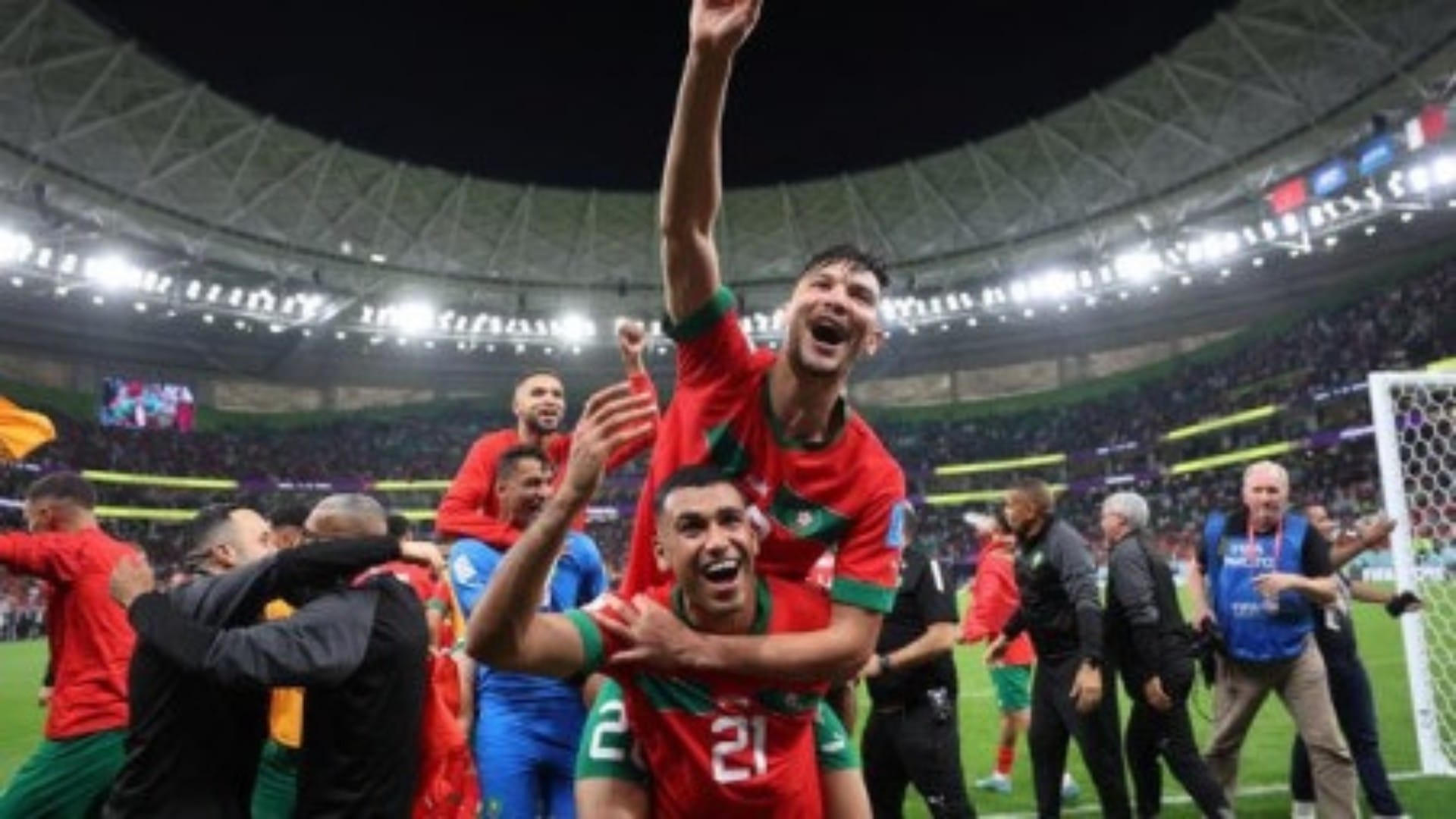
Morocco (2022)
Achievement: First African and Arab nation to reach a World Cup semi-final.
Memorable performance: Finished top of a group containing 2018 runners-up Croatia and third-placed Belgium, before eliminating Spain and Cristiano Ronaldo’s Portugal in the knock-out rounds.
Remarkable fact: Conceded only one goal in their first five matches up to the quarterfinals -- an own goal by Nayef Aguerd -- under coach Walid Regragui.
Croatia (2018)
Achievement: Reached the World Cup final as the smallest nation by population to do so in the modern era.
Memorable performance: Announced their credentials by defeating Lionel Messi’s Argentina 3–0 in the group stage, then overcame England in the semifinal.
Remarkable fact: Displayed extraordinary resilience, playing 120 minutes in three consecutive knock-out matches and winning two on penalties en route to the final.
South Korea (2002)
Achievement: First Asian nation to reach the World Cup semifinals.
Memorable performance: Eliminated Italy with a golden goal before defeating Spain on penalties in the quarterfinals.
Remarkable fact: Had not won a single match in five previous World Cup appearances.
Turkiye (2002)
Achievement: Secured third place after returning to the World Cup following nearly half a century.
Memorable performance: Beat fellow underdogs Senegal with a golden goal in the quarter-finals and defeated hosts South Korea in the third-place play-off.
Remarkable fact: Their only two defeats came against eventual champions Brazil -- in the group stage and the semifinal.
Costa Rica (2014)
Achievement: Reached the quarter-finals from a ‘group of death’ featuring three former world champions.
Memorable performance: Defeated Uruguay and Italy, and drew with England to top the group.
Remarkable fact: Stellar performances from players such as Bryan Ruiz and Keylor Navas turned them into one of the tournament’s most compelling stories.

Cameroon (1990)
Achievement: First African nation to reach the quarter-finals.
Memorable performance: Defeated reigning champions Argentina 1–0 in the opening match.
Remarkable fact: The inspirational 38-year-old Roger Milla scored four goals, and his iconic celebrations became part of football folklore.
Senegal (2002)
Achievement: Quarterfinalists in their debut World Cup.
Memorable performance: Shocked defending champions France with a 1-0 victory in the opening match.
Remarkable fact: Twenty-one of their 23-man squad were playing in French club football at the time.
Bulgaria (1994)
Achievement: Finished fourth despite never having won a World Cup match previously.
Memorable performance: Defeated reigning champions Germany 2–1 in the quarterfinals, after also beating Argentina in the group stage.
Remarkable fact: Inspired by joint top scorer Hristo Stoichkov, they became one of the tournament’s most potent attacking sides.
Croatia (1998)
Achievement: Finished third in their first World Cup appearance as an independent nation.
Memorable performance: Thrashed Germany 3–0 in the quarterfinals.
Remarkable fact: Entered the tournament ranked 19th by FIFA but rose to fourth in the rankings by year’s end.
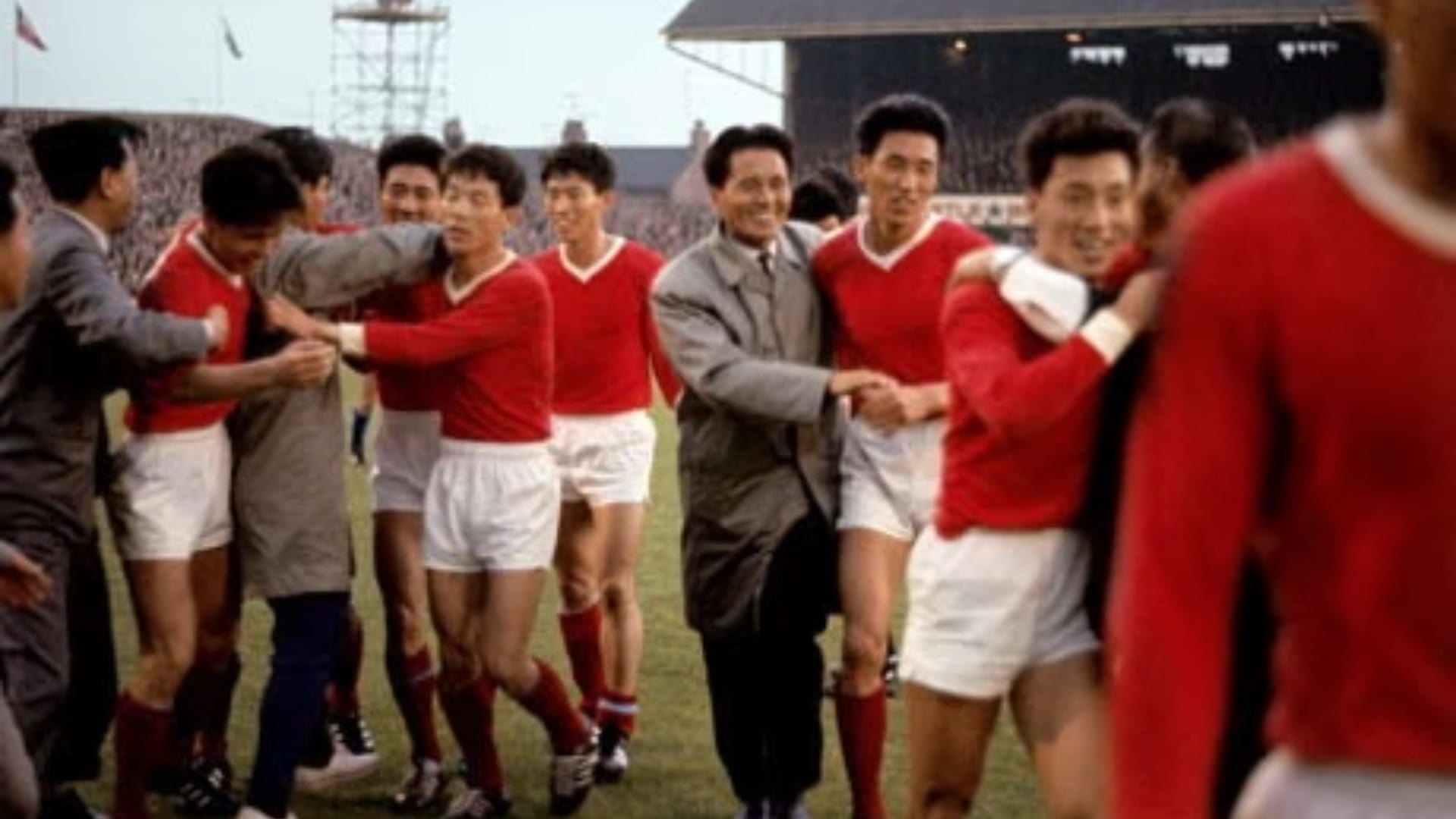
North Korea (1966)
Achievement: First team from outside Europe and the Americas to reach the quarter-finals.
Memorable performance: Pak Do-ik’s goal secured a famous 1–0 victory over Italy in the group stage.
Remarkable fact: Despite leading 3–0 in the quarterfinals, they were eventually defeated by Portugal after Eusebio’s remarkable hattrick.
Ultimately, these underdog narratives are what make the World Cup thrilling, unpredictable and emotionally resonant. While the triumphs of football’s giants shape history, it is often the courage of the minnows that leaves the deepest impression on the global game.
Comments