


When rumours wound millions

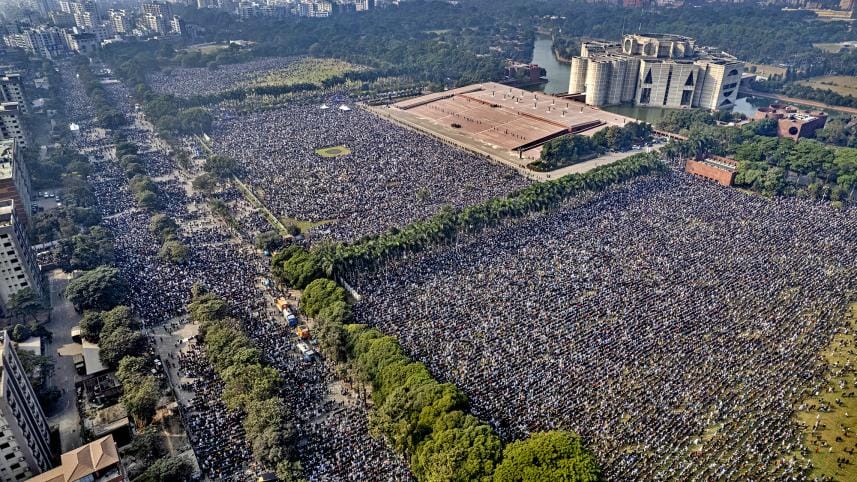
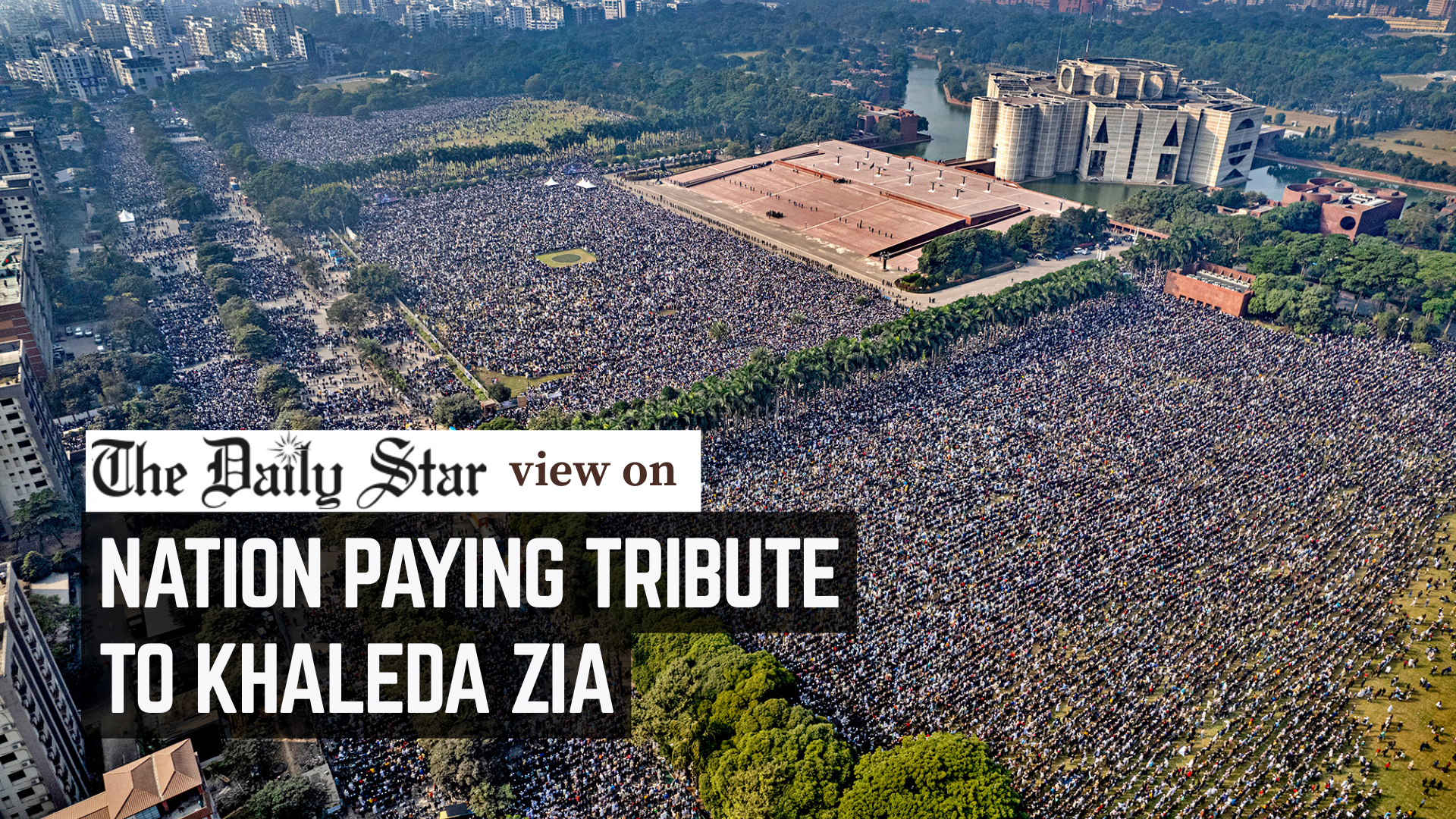
Bangladesh mourned a profound national loss. Begum Khaleda Zia, the country's three-time prime minister, passed away on December 30 at around 6am at Evercare Hospital in Dhaka. She had been receiving intensive medical care in that well-known private hospital. Yesterday afternoon, her namaz-e-janaza was held at the South Plaza of the National Parliament Complex. The janaza drew millions of people—leaders, supporters, and citizens from all walks of life. They gathered to pay their final respects. Following the massive and deeply moving funeral prayers, she was laid to rest at Zia Udyan, beside her late husband, former President Ziaur Rahman. This event brings to a close a life that re-shaped Bangladesh's democratic journey and left an enduring imprint on the nation's political and social history.
Recently, a deeply upsetting narrative has been circulating on social media. It claimed that Begum Khaleda Zia had passed away earlier and that her death was "announced later" for political reasons. This assertion is not only a dirty lie but also extremely irresponsible and corrosive to the moral foundations of our societal culture. Such malicious falsehoods are particularly disturbing when directed at a woman who rose from the role of a devoted housewife to become one of Bangladesh's most iconic political figures. She stepped into national leadership after personal tragedy, earning the people's mandate through democratic struggle, and emerging over decades as a symbol of national unity, constitutional governance, and political stability at critical moments in the country's history.
 For all latest news, follow The Daily Star's Google News channel.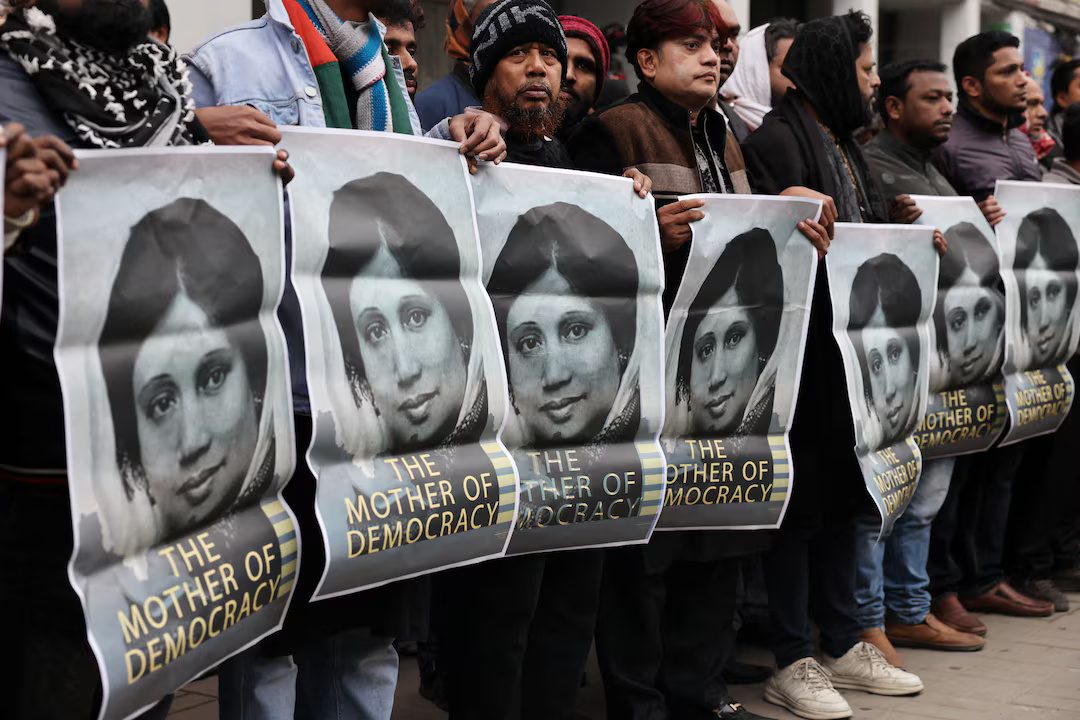
Some publicly known social media actors have cynically cited the use of life support in an intensive care unit to justify their claims that Khaleda Zia had died prior to the announcement on Tuesday. This reflects either a deliberate distortion or a serious misunderstanding of basic medical science. Life support is used to maintain normal heart and lung functions during a severely reduced level of consciousness; it does not indicate death. There are numerous documented cases in which people have remained on life support for months or even years, later recovered, and gone on to live healthy lives. A person is not considered medically or legally dead if there is brain activity, the heart continues to beat, blood continues to circulate, and oxygen continues to reach vital organs. In Begum Khaleda Zia's case, while she was on life support, her heart was functioning and her organs were being physiologically supported; she was even undergoing dialysis, which would not have been possible if she were not alive.
Besides, it is concerning that the rapid expansion and easy accessibility of social media have significantly increased the risk of rumour, misinformation, and deliberate disinformation. In a complex and polarised political environment like Bangladesh's, such unchecked falsehoods about a leader's death can spread quickly, inflame emotions, and undermine public trust, making responsible communication and basic factual literacy more important than ever.
Death is a precise medical and legal determination—it is not a political opinion, not a social media guess, and certainly not a tool for partisan provocation. When individuals knowingly blur this line, they cross not only political disagreement into moral misconduct, but also into a dangerous misuse of modern communication technology. This is not confined to the political arena alone: if social media can be weaponised to malign and dehumanise a nationally revered figure like Begum Khaleda Zia, then no individual, public or private, is safe from similar harm tomorrow.
The damage caused by such rumours goes far beyond one individual or one family. In Bangladesh, a country with a painful history of political polarisation, misinformation of this kind fuels public frustration, emotional distress, and collective cynicism. It reinforces a vicious cycle in which false narratives thrive, trust erodes, and basic human decency is sacrificed at the altar of political point-scoring.
Even those who may strongly disagree with Begum Khaleda Zia's politics, or with the Bangladesh Nationalist Party more broadly, must recognise that respect for truth and respect for life are non-negotiable democratic values. Democracies do not survive on elections alone; they survive on norms, truthfulness, restraint, and empathy. When these norms collapse, politics becomes a theatre of cruelty rather than a contest of ideas.
Spreading rumours about a former head of government, let alone any lay person, is not "free speech." It is a form of social vandalism. It humiliates families, confuses citizens, and degrades the public sphere. Worse still, it normalises the idea that lies are acceptable if they serve a political purpose.
This behaviour must be condemned unequivocally—not selectively or quietly. Political leaders, media professionals, civil society actors, and citizens alike have a responsibility to push back against such falsehoods. At a time when our nation seeks stability, dignity, and democratic renewal, let us reject rumour as politics and cruelty as strategy. Truth is not a partisan asset; it is a national necessity.
Dr Ziauddin Hyder is adviser to the chairperson of Bangladesh Nationalist Party (BNP) and a former senior official of the World Bank.
Views expressed in this article are the author's own.
Follow The Daily Star Opinion on Facebook for the latest opinions, commentaries, and analyses by experts and professionals. To contribute your article or letter to The Daily Star Opinion, see our guidelines for submission.
Comments