


A manifesto that must not be ignored
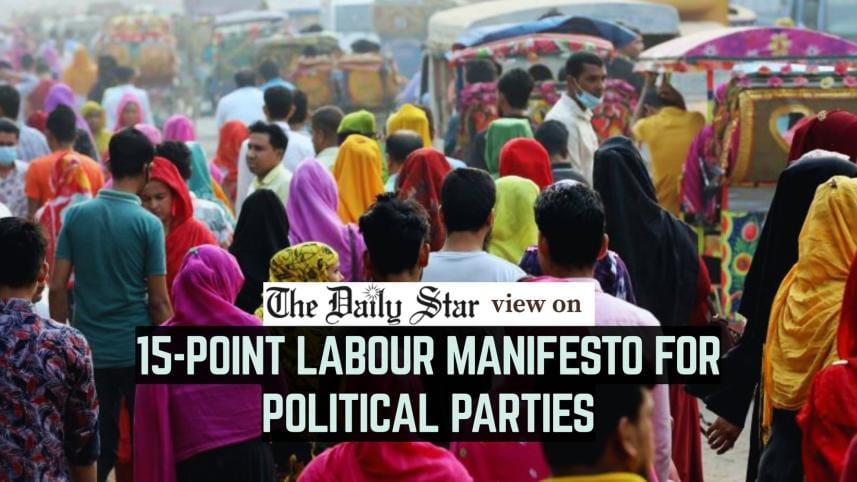
The 15-point manifesto placed by the National Workers’ Rights Advocacy Alliance for the political parties ahead of the upcoming national election is a timely and necessary step. At a time when parties are preparing to seek public mandates, the alliance’s call to prioritise labour rights and social justice deserves serious attention. Workers have historically been at the heart of political movements in this country, yet their interests have routinely slipped down the list of priorities by successive governments. Job insecurity, low wages, unsafe workplaces, and weak social protection continue to define the lived reality of millions of workers. That these issues persist despite constitutional guarantees exposes a deep gap between legal measures and practice.
Central to the manifesto is the demand for a national minimum wage that ensures a dignified living standard for workers. This reflects long-standing demands from labour rights groups and aligns with the basic idea that work should provide more than mere survival. However, our past experience shows that announcing rights is much easier than enforcing them, especially in an economy where most workers are in the informal sector. Without strong enforcement, clear monitoring, and real political commitment, a national minimum wage may remain a promise on paper rather than a force for real change.
 For all latest news, follow The Daily Star's Google News channel.
 Equally important are the proposals to amend labour laws to ensure universal legal recognition and protection, guarantee freedom of association and collective bargaining—including in export processing zones—and strengthen workplace safety and accident compensation. Given our history of industrial tragedies and lack of accountability, transparent investigations and fair compensation are essential to ensuring justice and preventing future accidents. The emphasis on gender equality, protection from harassment and violence, and six months of paid maternity leave reflects a broader understanding that labour rights are also human rights.
Workers are often praised for their contribution to the nation, only to be sidelined once ballots are counted. This should not happen this time. As election manifestos take shape, political parties must move beyond verbal support and commit to implementing these demands with clear timelines and accountability. Establishing a permanent national labour commission could be an important step, provided it is empowered, independent, and effective. Ultimately, if political parties are serious about change, they must show it by placing workers’ rights at the centre of their agenda.
Comments