


Christmas as we have seen it


For much of the world, Christmas is inherited through memory, through family rituals passed down over generations, through faith, food, and familiarity. In Bangladesh, however, Christmas occupies a different cultural register. It arrives through Netflix thumbnails, holiday episodes that resurface every December, mall décor inspired by Hollywood aesthetics, and Instagram captions borrowing emotions from films we have watched far more times than we admit. For the majority, it is not a lived tradition but a mediated one, absorbed through cinema screens, television episodes, streaming platforms, and global advertising. In that sense, Christmas here is less a festival and more a genre. And within that genre, pop culture has offered a catalogue of traditions, some chaotic, some tender, many delightfully unhinged, that feel oddly tempting to adopt.
 For all latest news, follow The Daily Star's Google News channel.
The office Secret Santa is a perfect example. Shows like "The Office", "Brooklyn Nine-Nine", and "Parks and Recreation" have turned the workplace into a stage for holiday cheer. Desks are decorated, names are drawn with careful anticipation, and for a brief, delightful moment, colleagues relate to one another not through job titles or deadlines, but through small acts of generosity. What makes this tradition so charming is how effortlessly it fits into corporate life. It is inclusive, informal, and requires no cultural translation. The joy lies in guessing who picked your name, wrapping a gift with care, and pausing the workday to share in something collectively lighthearted through a playful ritual that transforms the ordinary into something festive.
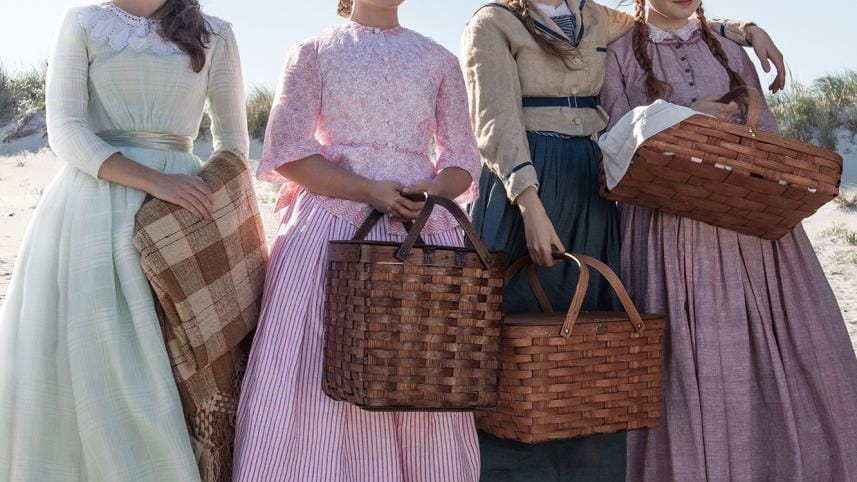
Then there is the grand Christmas dinner, the kind of feast that lingers long after the plates are cleared. Films such as "The Family Stone", "Little Women", and episodes of "Modern Family" present Christmas dinner as expansive and welcoming, with chairs pulled close together, food passed around generously, and conversations overlapping. The appeal is not in the menu itself, but in the atmosphere and the feeling that one evening a year is entirely dedicated to being together, to lingering longer than usual, and letting the moment unfold slowly. Pop culture adds visual cues with candles flickering, a twinkling tree in the corner, but the heart of the tradition is in shared presence, the simple act of being together without rushing.
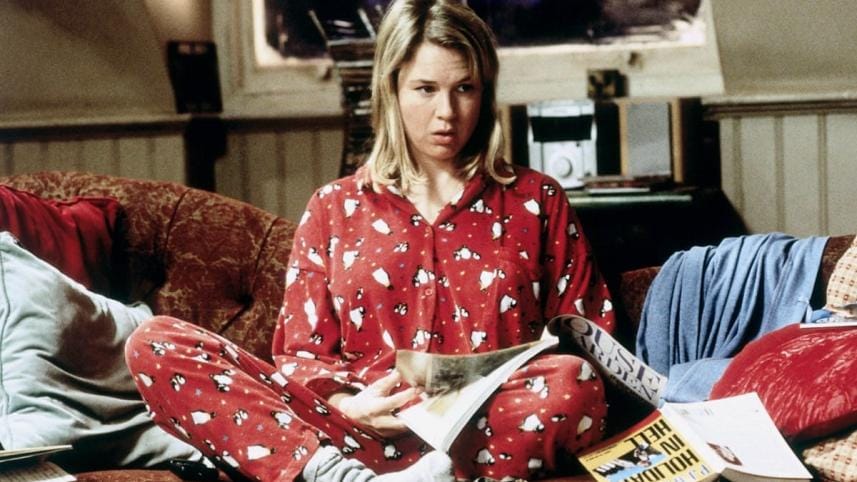
No Christmas feels complete without ugly Christmas sweaters, a tradition born and perfected in pop culture. From "Bridget Jones's Diary" to "The Office", family comedies and holiday specials have ritualised the sweater, turning deliberately over-the-top knitwear into a uniform of the season. This is not about fashion but about participation. Wearing the sweater signals that Christmas has arrived and that everyone is in on the joke. In Bangladesh, the trend has translated seamlessly into themed office days, festive dress codes, and playful social media posts. The charm lies in predictability and joy as every year, the sweaters reappear, and every year, they invite laughter, camaraderie, and lighthearted fun. And this consistency is what turns it into a tradition.
Then there are matching family pajamas, an image instantly recognisable from "Home Alone", "The Santa Clause", "Modern Family" and "The Simpsons". A family emerging together on Christmas morning, clad in coordinated sleepwear, signals that the day is special. Pop culture presents this tradition as inclusive and gentle as no one needs to impress, and no one needs to dress up beyond the fun of the moment. The pajamas create a sense of unity before the day even begins, marking Christmas morning as different from any other day. It is performative in the most charming way, a simple visual shorthand for togetherness, warmth, and joy.
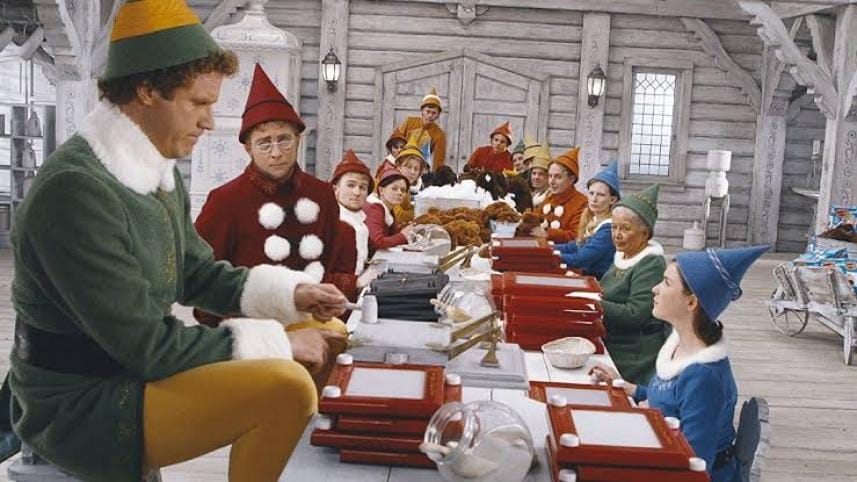
Finally, the act of baking Christmas goodies has been repeated so often in films and television that it has become its own ritual. From Buddy decorating cookies in "Elf" to kitchen antics in "Friends", pop culture consistently frames baking as communal, playful, and forgiving. Flour-dusted counters, trays sliding into the oven, and inevitable tastings before anything cool and these moments capture the essence of shared participation. It is not about perfection; it is about creating a space where everyone contributes something small, slowing down time and turning the kitchen into the heart of the home. This tradition appeals because it blends creativity, indulgence, and togetherness, making it a ritual anyone can adopt.
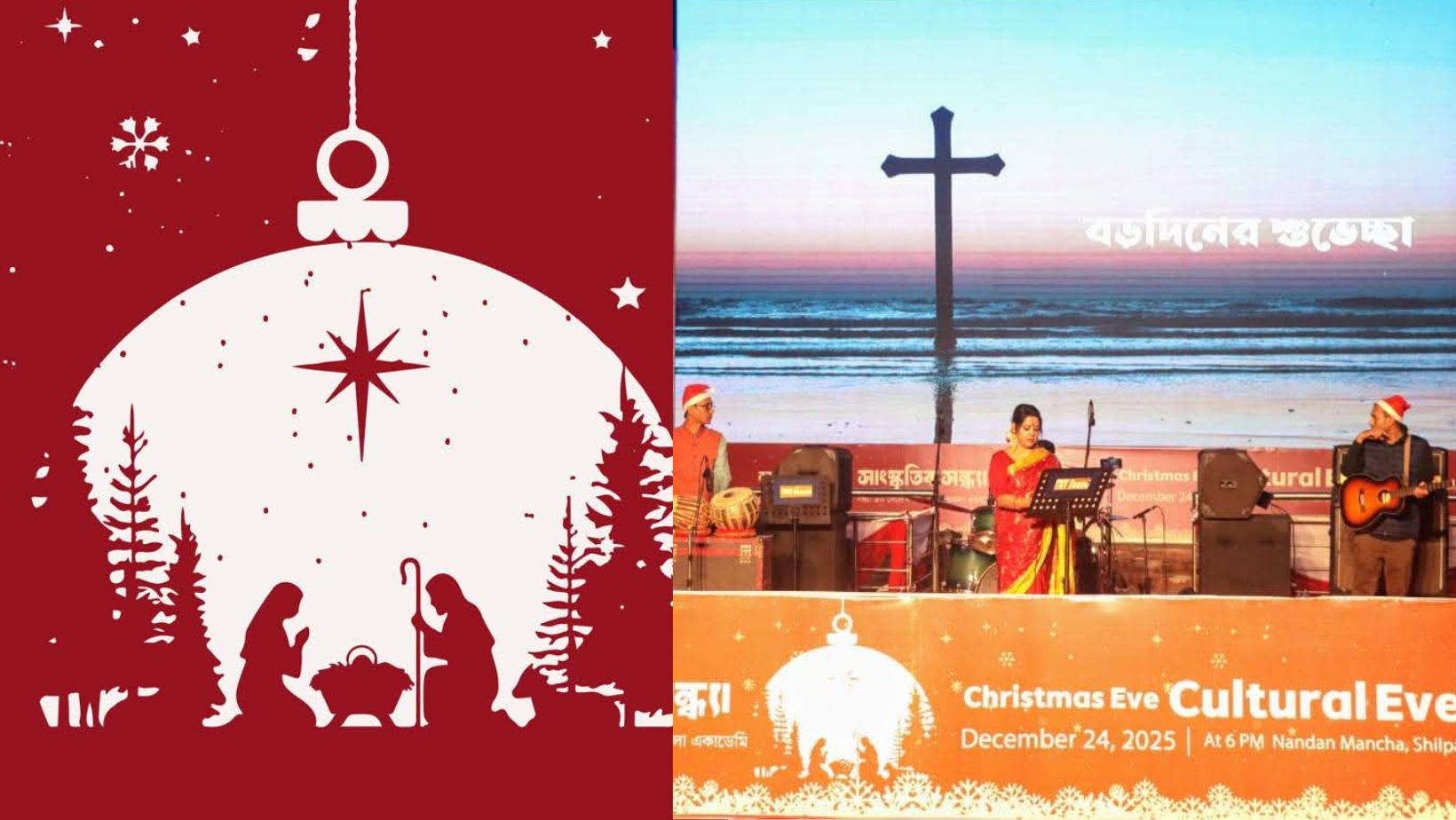
Through these pop-culture–inspired traditions, Christmas becomes recognisable and tangible, even for those who never grew up celebrating it. Pop culture teaches us how to experience the festival, moment by moment, year after year. And perhaps that is why, even in Dhaka or Chittagong, watching these traditions unfold on screen makes the season feel just as magical as anywhere else.
Comments