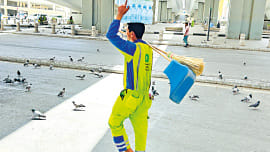
The slow suffocation of a city: Dhaka’s silent COPD burden
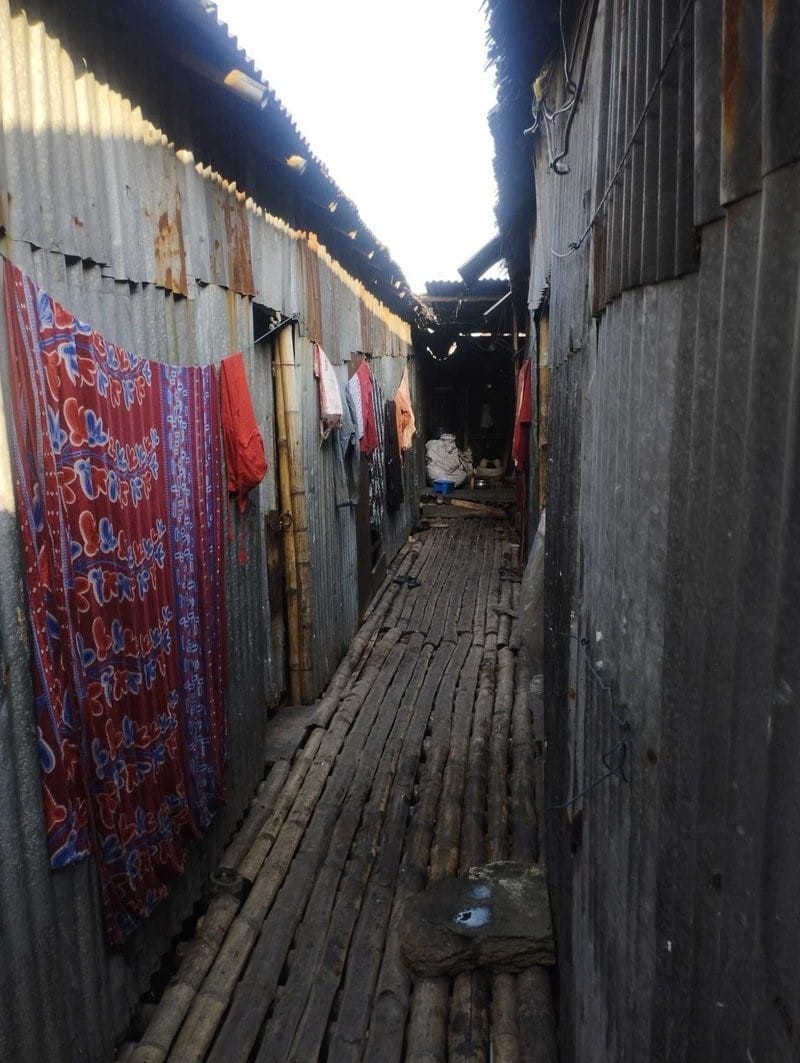
The first thing you notice, on entering the lanes of Shyampur, is how little sky there is. Tin walls press close on both sides, laundry is strung overhead, and the air is filled with the dark fog of industrial smoke from the adjacent factories. When asked whether the smoke bothers them, residents simply shrug, calling it “Dhaka’r aboha” (Dhaka’s weather).
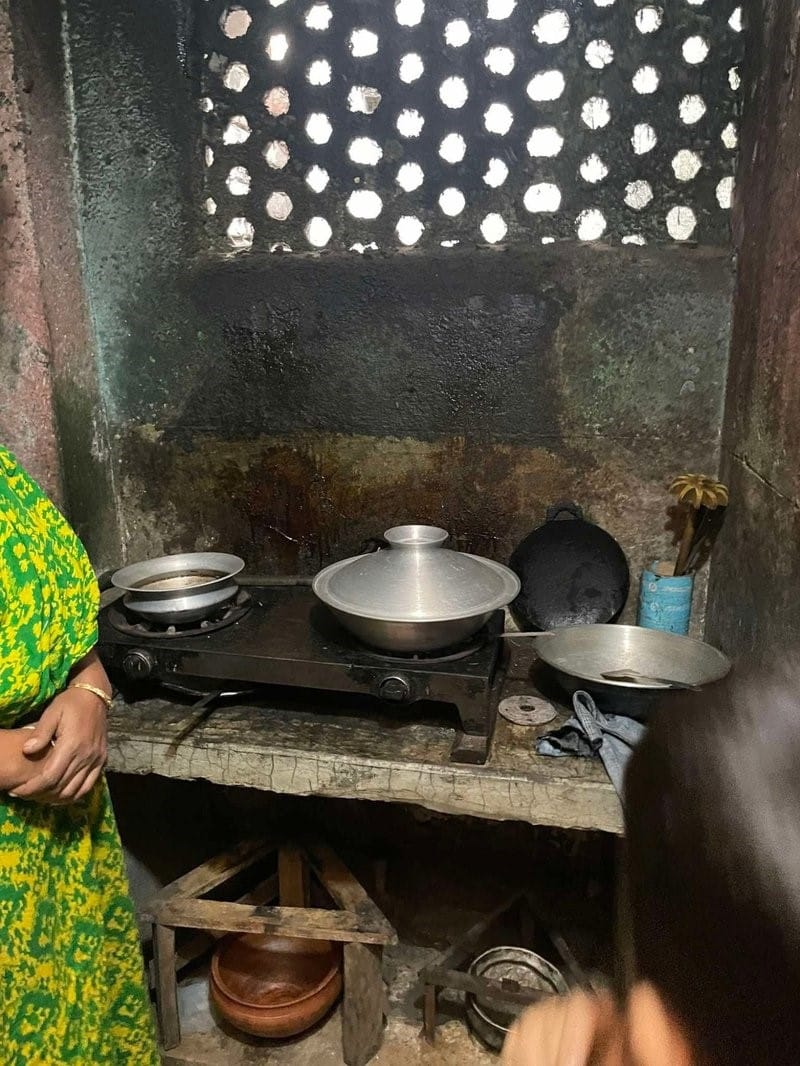
Across the city in Dakshinkhan, a woman in her mid-forties stands over a makeshift gas stove, boiling water for a cup of tea. She does so, punctuating the task with a heavy cough, which she explains is just part of her daily life. When prompted about the cough, she laughs: “Daktar ki bolbe? Dhaka-y toh eishob shobar e hoy” (What would the doctor say? It happens to everyone in Dhaka.)
She says it as matter-of-factly as the women of Shyampur.
Bangladesh is home to one of the most densely populated megacities in the world. On top of that, Dhaka continues to record some of the worst air quality in the world. IQAir’s 2023 World Air Quality Report recorded Dhaka’s mean annual PM2.5 concentration at 80.2 micrograms per cubic metre, which is more than sixteen times the WHO’s recommended guideline of 5 μg/m³. Yet Chronic Obstructive Pulmonary Disease (COPD) is probably unheard of by many. It is a progressive, irreversible inflammatory disease of the airways and one of the most underreported health crises in urban Bangladesh. The association between long-term PM2.5 exposure and COPD development is now well established in the literature: higher exposure leads to a higher disease burden. Which is why it is surprising that national studies have estimated the prevalence of COPD at approximately 12.5% among Bangladeshi adults over 40, with slightly steeper rates in densely populated urban areas.
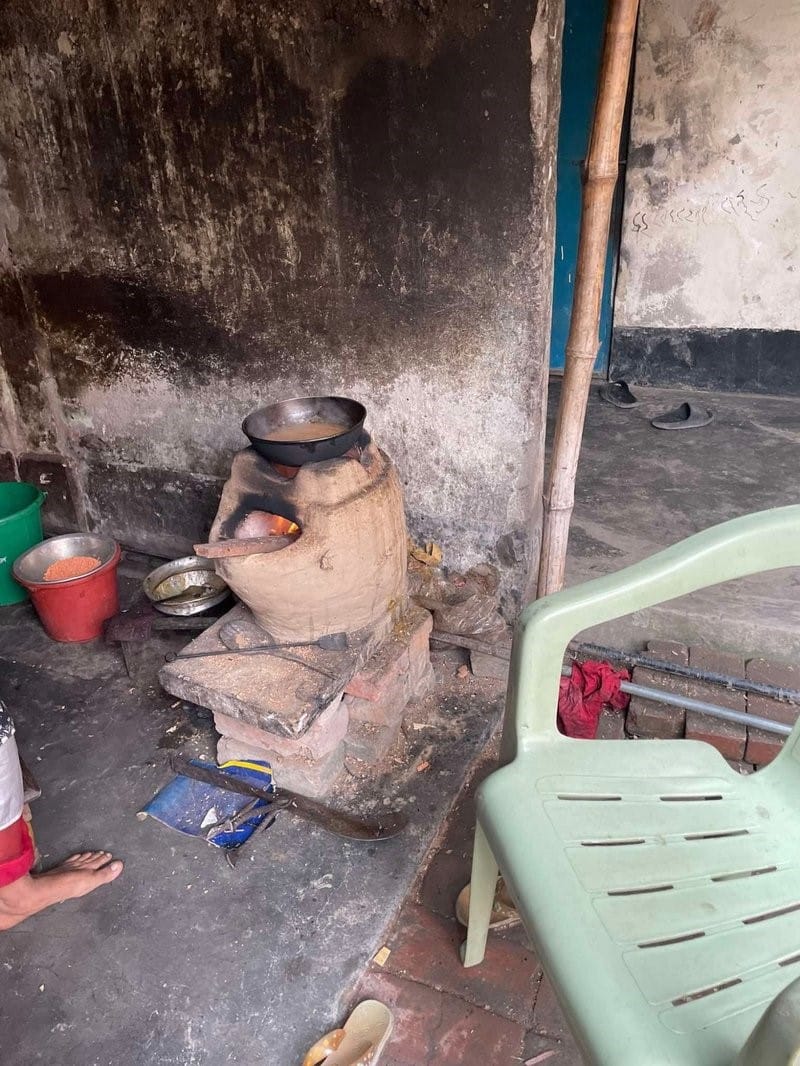
Dhaka’s residents are exposed to multiple sources of contaminants due to unregulated industries within the boundaries of the city corporation. Along with this, the increasing number of vehicles pushes nitrogen oxides and black carbon into dense residential lanes, while some households, particularly in informal settlements, rely on biomass-burning clay stoves that fill small, unventilated rooms with smoke that, by some estimates, carries health risks equivalent to smoking 400 cigarettes per hour.
In Shyampur’s settlements, where workers bring factory overflow home, every family member is in danger of being exposed to the same chemical contaminants as a factory worker. While random coughing and sneezing may seem inconsequential to work productivity, if left untreated, over time they reduce lung function. Exposure to occupational dust directly impairs physical work capacity and endurance, which can leave daily wage earners, who have no sick leave or job protection, with a household that does not eat that day.
Diagnosing COPD uses spirometry as the clinical gold standard, a lung function test that measures airflow obstruction. Studies on respiratory health services have found spirometry available in fewer than 20% of Bangladesh’s public secondary-care facilities, suggesting a negligible presence at the primary care level, where most patients first present. And why would it be otherwise when individuals themselves do not consider their consistent coughing an issue? As seen in peri-urban Dhaka among adults with symptoms consistent with COPD, the majority attributed their symptoms to dust, ageing, or tobacco use, citing these as reasons for not seeking immediate medical consultation. Even if a patient reaches an upazila-level care facility with respiratory symptoms, they are typically managed symptomatically, usually treated for a presumed acute infection, prescribed a short course of antihistamines, and discharged.
Moreover, Bangladesh’s national health reporting does not disaggregate COPD as a distinct diagnostic category in most institutional settings. While it is mandated that spirometry tests be available at the NCD corners at the Upazila Health Complex (UHC) level in Bangladesh, they are still not reaching enough people, as the national protocol for COPD management at the primary health care level remains awaiting implementation.
The national DHIS2 health information platform has not been updated to incorporate disaggregated NCD data, which results in an incomplete epidemiological record. This, coupled with a lack of community-based spirometry screening initiatives targeting high-risk populations such as informal settlement residents, and the absence of any systematic effort to equip community health workers with validated and low-cost screening tools such as CAPTURE (the COPD Assessment in Primary Care to Identify Undiagnosed Respiratory Disease and Exacerbation Risk), only exacerbates this knowledge gap. A disease that is not measured cannot generate the policy pressure required to fund treatment. The result is an unanswered burden in the health system, in which millions carry a diagnosable, manageable condition that eventually leads to deteriorating health and work capacity. Women are generally disproportionately impacted, as research documents that non-smoking women with high biomass exposure develop COPD at rates comparable to male smokers. Yet women with respiratory symptoms face compounded barriers to care: restricted mobility, household responsibility, economic dependence, and the gendered expectation that physical suffering is part of the domestic role.
At the policy level, COPD must be integrated explicitly into Bangladesh’s NCD surveillance framework, with standardised diagnostic coding, systematic prevalence estimation, and reporting requirements that make the burden legible to planners. At the community level, public health communication must actively discourage the normalisation of respiratory issues, clearly and repeatedly asserting that buke bhaar and morning cough are symptoms of diseases that can be identified and managed.
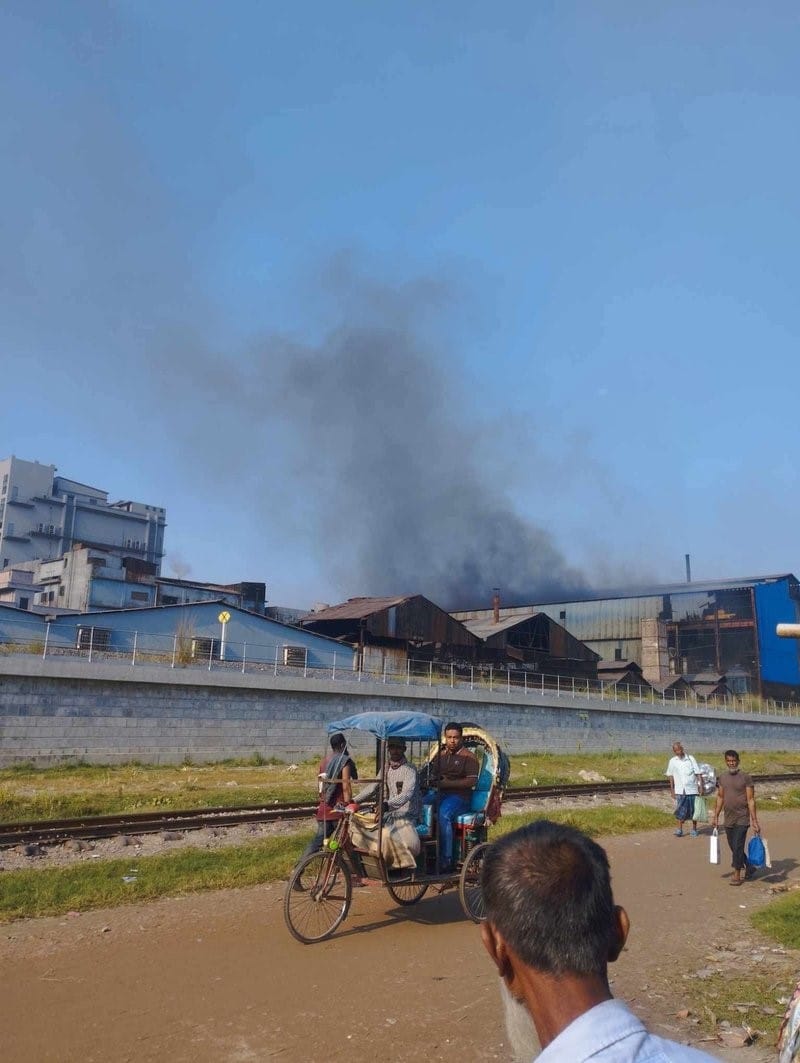
But most importantly, while Bangladesh’s ambient air quality standards exist on paper, enforcement remains chronically weak, with PM2.5 concentrations persistently exceeding national standards for nearly half the year. Weak institutional capacity and political barriers to industrial compliance have been identified as key drivers of this phenomenon; industrial emission regulation in peri-urban Dhaka, specifically for unregistered factory discharge in areas like Shyampur, remains aspirational at best.
Whether it stays that way is in the hands of current policymakers, and in their commitment to a cleaner Dhaka city.
Fabi Huda is a research associate at BRAC JPGSPH. She is a health policy analyst by training. She can be reached at fabi.s.huda@gmail.com.
Send your articles for Slow Reads to slowreads@thedailystar.net. Check out our submission guidelines for details.
The killing of Sonadia’s mangroves: An eyewitness account

The future of a Sundarbans tigress
No girl should grow up without this knowledge
The mountain must not fall: Indigenous responses to landslides in Rangamati
Life and death on Bangladesh’s char islands

Beyond the dream: The unspoken reality of international students
The sacred water world of the Sundarbans

The living knowledge of Bonojibis and why it matters

Sea widows: When fishermen never return from the sea