


Filming freedom

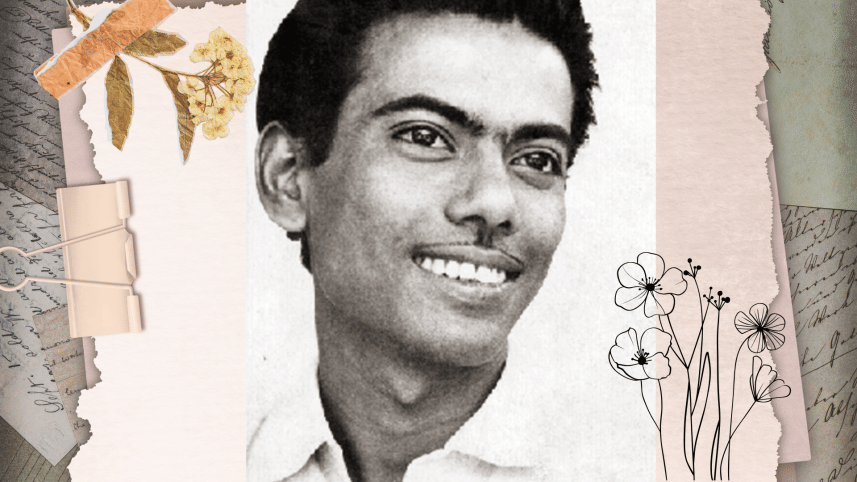
Few figures embody the fusion of art and resistance as powerfully as Zahir Raihan. From an early age, his life was shaped by defiance. As a student, he walked out on 21 February 1952—among the first ten to defy the ban on assembly—and paid for it with arrest. Neither prison nor censorship ever managed to silence him.
 For all latest news, follow The Daily Star's Google News channel.
Raihan's creative output moved fluidly across literature and cinema, each reinforcing the other as instruments of resistance. From the pages of Arek Falgun and Hajar Bachhar Dhare to the screen adaptations of Kancher Deyal, Behula, and most famously Jibon Theke Neya, he transformed storytelling into political intervention. Drawing on folk myths and everyday domestic life, he constructed powerful allegories that exposed how cultural identity itself had become a site of struggle under Pakistani rule.
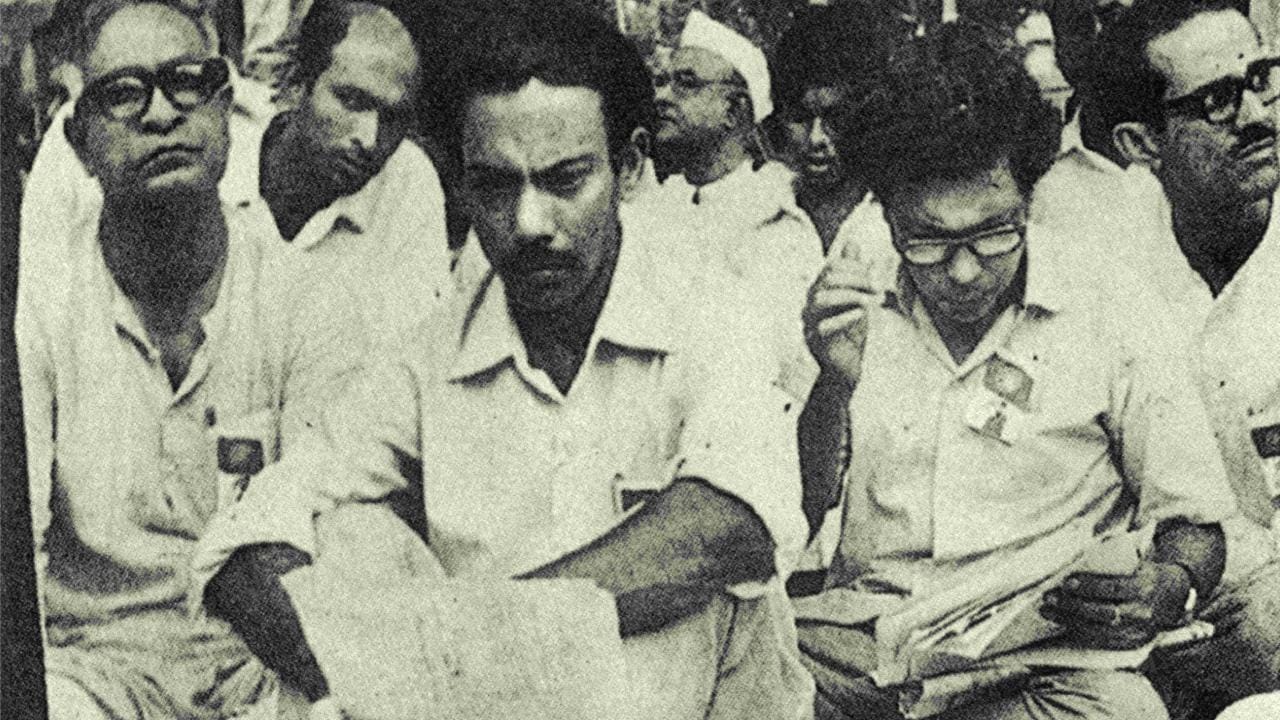
When the Liberation War erupted, Raihan crossed into Kolkata—not to retreat, but to fight with his camera. He raised funds for the war effort and ventured into active conflict zones alongside guerrilla fighters to document the unfolding resistance. His documentaries Stop Genocide and A State Is Born confronted international audiences with the scale of violence inflicted upon Bengalis, forcing the world to bear witness.
In December 1971, after his brother Shahidullah Kaiser was abducted, Zahir Raihan entered Mirpur in search of him. He never returned. His disappearance deprived Bangladesh not only of a visionary filmmaker and writer, but of a future in which culture and politics might have continued to move together in the true spirit of liberation.
Comments