


Hope, doubts, and the fate of this year’s Amar Ekushey Boi Mela
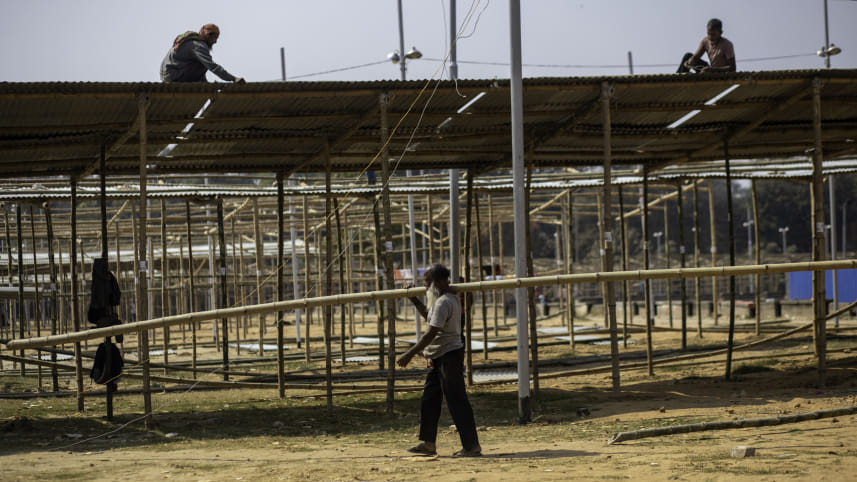
Every February in Dhaka carries a familiar feeling. There is a softness in the air, the scent of new books, freshly printed pages, and the faint sweetness of flowers. Families make plans to visit the fairgrounds. The excitement of young writers waiting to see their names in print is almost palpable. Readers save up for the month they know will belong to books. For decades, the Amar Ekushey Boi Mela has not simply been an event; it has been a ritual of memory, language, identity, and shared cultural belonging that shapes the literary life of the nation. In a country where knowledge-based publishing is rarely a high-profit industry, this annual gathering serves as both cultural celebration and economic lifeline.
This year, however, February arrived with some hesitation. With the national election being held on February 12, the interim government first proposed that the fair would begin after the polls, tentatively fixing February 20 as the opening date. The intention was clear: no administration wanted to carry the responsibility of not holding a fair that has taken place almost every February for decades. The absence of the fair would have raised questions. Yet the revised timing immediately created unease within the publishing industry.
 For all latest news, follow The Daily Star's Google News channel.
 More than 300 publishers had publicly announced that they would not participate under the proposed schedule. Many of the country’s most recognised and established publishing houses were among them. Their concern was both political and practical. Printing costs had increased during the election period. Press schedules were tight. There was uncertainty about stability, consumer turnout, and whether readers would attend in large numbers during Ramadan. For small and mid-sized publishers already struggling with economic slowdown, the risk of financial loss felt too high.
Mahrukh Mohiuddin, Managing Director of The University Press Limited (UPL) wrote in a Facebook statement that participating under such conditions would place an unfair economic burden on publishers. She argued that initial meaningful dialogue had been lacking and that decision-makers had not offered workable solutions to ease the industry’s concerns. For many, it was not simply about profit. It was about survival.
Even after the organisers and Bangla Academy offered a 55 percent subsidy on stall costs, a significant number of publishers maintained their decision to not participate. The divide within the industry became more visible.
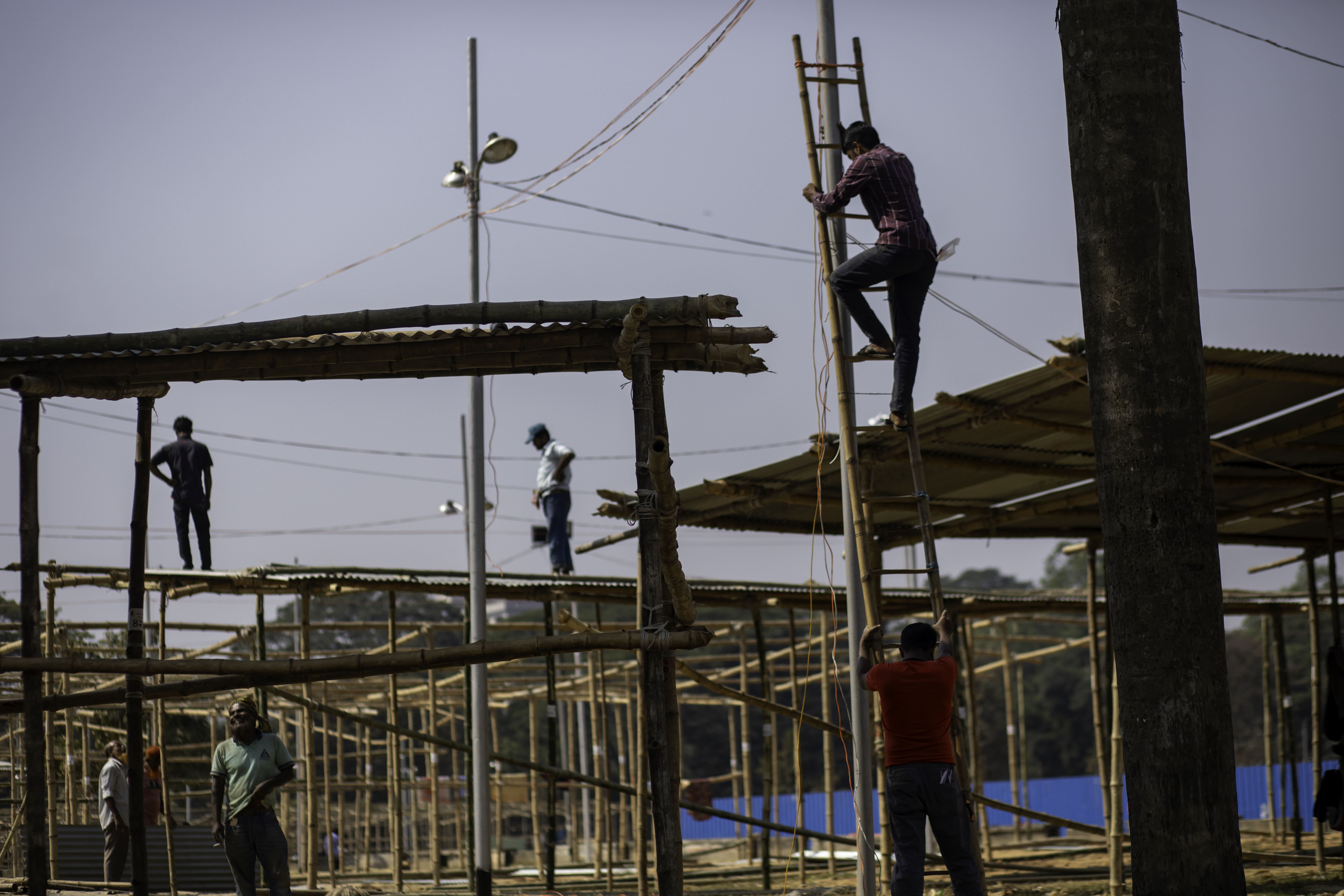
On the other side were publishers who chose to move forward. CEO and publisher of Sucheepatro, and member of the organising committee, Saeed Bari, told The Daily Star that regardless of the circumstances, they would participate. He noted that the Ekushey Book Fair has rarely been a major commercial gain for publishers in the first place. For him, the legacy of the fair mattered more. Postponing it to April could create different challenges, including intense heat and seasonal storms that might discourage visitors. He also pointed out that in coming years Ramadan will likely overlap with February again, making adaptation necessary rather than postponement.
Another publisher, Sanjoy Majumdar of Murdhonno, echoed a similar view regarding profit margins. Adding that with a newly appointed government and a more stable political situation following the election, he stated he remains hopeful that readers will feel more enthusiastic about attending this year’s fair along with stakeholders’ renewed spirit to partake in it.
There is also a broader concern about identity. Economically and from a branding perspective, the name Ekushey Book Fair is inseparable from February. While several book fairs are organised throughout the year, none attract the same level of attention, public emotion, or symbolic weight. Moving it outside its traditional time risks weakening that unique appeal.
The uncertainty has not affected publishers alone. A contemporary writer wishing to remain unnamed, said that even by February 18 some publishing houses had not confirmed proofreading schedules or final publication decisions for upcoming titles. Writers, editors, designers, and printers have all been navigating confusion. The usual countdown to launch day has instead felt like waiting for clarity.
Just days before the planned inauguration, a meeting was held at Bangla Academy with publisher representatives and the newly appointed Cultural Affairs Minister Nitai Roy Chowdhury. Following that discussion, a new decision was announced. The fair will now run from February 25 to March 15, its duration shortened due to Eid considerations. Stall rent has been fully waived, and publishers who had not previously applied were given additional time to do so.
This marks a stronger financial relief than earlier proposals and reflects acknowledgment of publisher concerns. It is not a full postponement beyond Ramadan, but it is a compromise. Whether it will persuade leading publishers to reconsider remains uncertain.
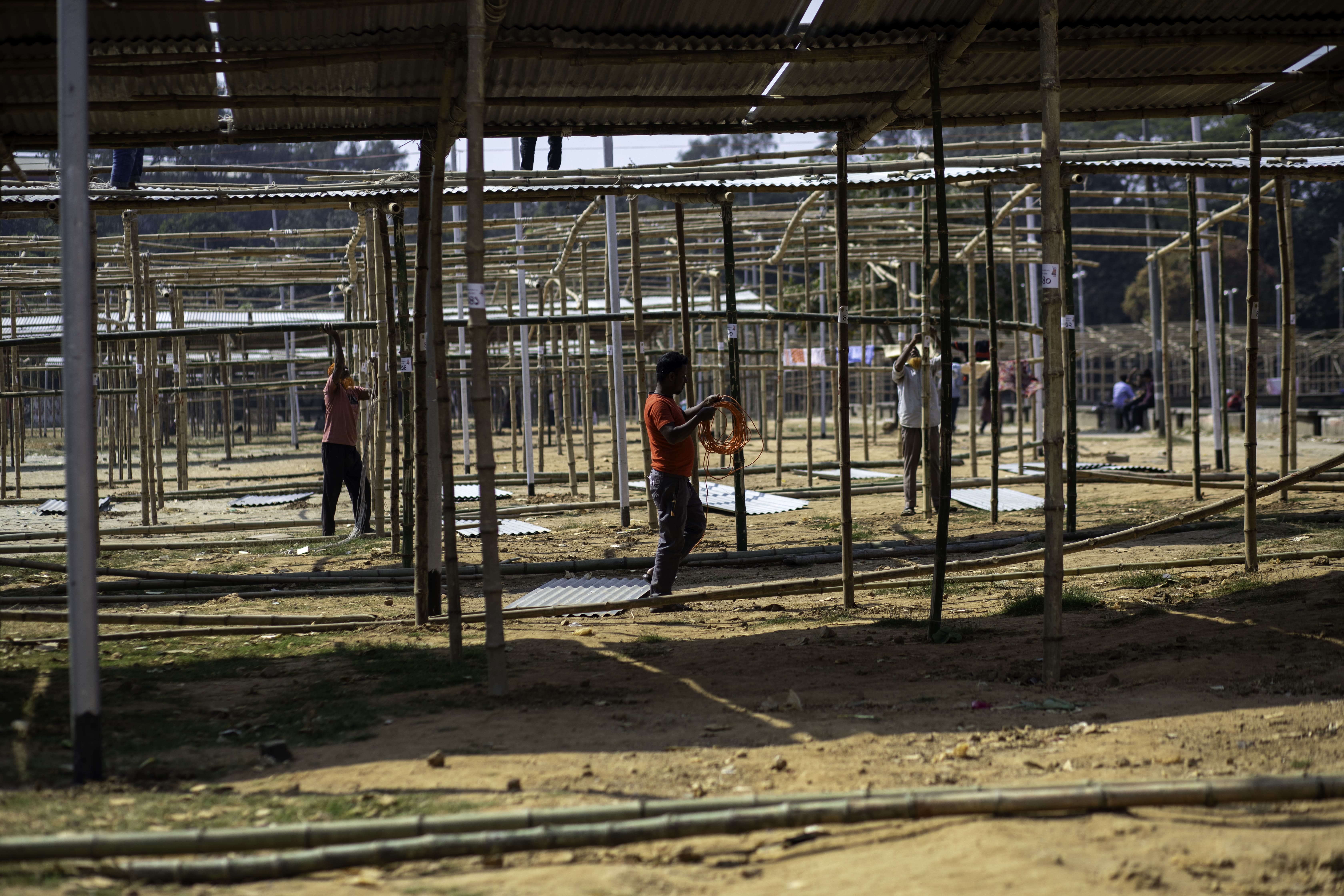
In the latest development following yesterday’s meeting with the organisers, Mahrukh Mohiuddin said in a conversation today with The Daily Star that publishers had raised three key demands. They requested at least seven to 10 days for discouraged houses to reconsider and prepare, and asked that along with a full waiver of stall fees, stall construction charges also be subsidised as the making charge itself is a substantial expense for publishers, often becoming one of the largest upfront costs they have to bear in order to participate in the fair. The other demands included omitting all pavilions and making sure that publishers eligible for pavilions can apply for up to five units, and all irregular allocations of stalls and pavilions be cancelled.
Bangla Academy authority agreed to waive 100 percent of the stall rent and allowed five additional days for preparation, but did not agree to cover the making charge. She also noted that larger houses like UPL might manage within five days while continuing regular operations, but many smaller publishers whose production cycles are closely tied to the fair would find such limited time particularly difficult. As of the 3 PM deadline for stall applications, no further clarification had been issued on Bangla Academy’s side despite promising a solution by yesterday, so the uncertainty has remained.
The next few days will be telling. For Bangla Academy and the newly appointed government, the challenge is clear. The Ekushey Book Fair is not just a scheduled event, it is a national expectation. Managing its economic realities while preserving its cultural meaning is no simple task.
As readers, we hope to walk into a fair that feels complete. We hope to see our favourite publishers, discover new voices, and once again breathe in the scent of new books and freshly printed papers. Whether Amar Ekushey Boi Mela 2026 can restore that familiar festive spirit is something that will unfold in the days ahead.
Mahmuda Emdad is a sub-editor at Star Books & Literature.
Comments