


Letter from my dead grandmother
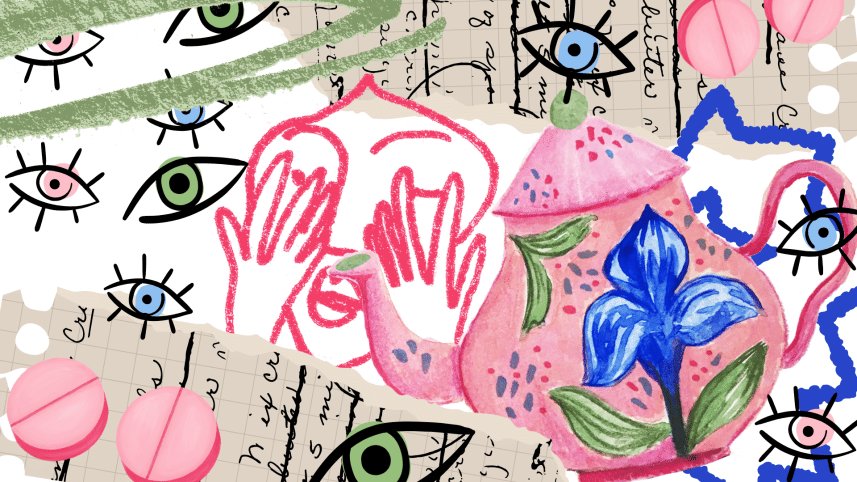
My grandma died an unnatural death at the age of seventy-five. During a certain period preceding her passing, she was seized by delirium, exhibiting delusions, agitation, and a persistent mistrust of her surroundings. She had likely succumbed to their effects. Collective effort was underway to convince her to seek treatment. Though it was quite a difficult task, as she had been ruthless. The following letter was composed during this interval and must therefore be read with utmost caution and is not to be taken seriously at all costs. I subsequently destroyed the original, as its continued existence would have invited misinterpretation and unnecessary familial discord at the time.
Rashamoni,

It is unfortunate that your foremost thought of me involves that of a rotten steel almirah, though I will not fabricate the fact that I am only somewhat disheartened. I can almost picture you rummaging through the corners of my jam-packed drawers stacked with worn-out property papers and copies of old passport-sized photographs; bear in mind, however, that the object of your search is not to be found here.
By virtue of my untimely demise, it appears that I have all of a sudden been promoted, quite without my consent, to somewhat the rank of a posthumous enigma. I could go on and on, shedding dust upon the hypocrisy that exists to favour the hospitality of the dead. But rest assured, dear daughter, as this letter is neither about me nor is it about my former legacy and what it may have translated to your father and his three brothers.
Throughout the entirety of my existence, I leave behind me, of value, two things: a waning passion for over-steeped tea and a reputation for saying all of the wrong things at the right time. You will hear many versions of me now.

Listen carefully, Rasha. The bundle of keys that hangs beneath the broken picture frame must be stashed aside before the disputes warm up, as they shall inevitably arise in a day or two. I assume you have already done so. Next, attend to the bedside table in front of the lamp shade. Dispose of the medicines that are no longer fit for use and retain the remainder in a single container (you may return them to the pharmacy for recompense, on the express condition that you make no inquiry into the prescriptions). All loose papers are to be destroyed, with the exception of those bearing signatures, which must be stapled together and filed away. These matters are strictly outside of your concern; hence, do as I say and refrain from further intervention.
Rasha! You shall not visit my grave, and you shall not mourn my death. Your uncle Subodh should arrive at any given moment, draped in a shawl of pretentious grief and smelling of cheap naphthalene. He will proceed to lament about what I was and what I had become for about a good hour. Poor child, let him have this one. I do have a somewhat wicked reputation after I told Subodh to his face that his freelancing ventures did not, in fact, constitute a real profession, and that he might as well consider attending to my weekly chores and groceries, and chasing after tenants for rent. I could even fire Sobuj, the poor boy runs to the bazar five times a day. Huh! He has been a victim of my malicious torment for long enough, I think.
And by the way, how is Sabuj now? Shed a tear or two, no? Oh, I’m sure he's thanking God plenty that he need not pay back the ten thousand I lent him months ago. I had almost turned it into a ritual to make sure to remind him of it once every two weeks; you should have seen the look on the boy’s face turn all red and bashful. Rasha, why do I enjoy the feeling of standing superior to others so much?
Anyway, Robin, how about him? Note down my words, he will end up marrying that office peon’s daughter, despite my forbiddance, and both of them would eventually hang upon your shoulders like haunting ghosts. Ah, the weight of inherited burden! Have a great time figuring out means to get rid of them, child (spoiler: you can’t).
Now, since all roads lead back to land and locks, let us return to the matter that first summoned you to my drawers like a pilgrim to a shrine. You may rest your clever head: the house, the accounts, the parcels of stubborn earth that have outlived three governments and five family feuds — they have not been left to chance. I am not so careless in death as I was accused of being in life.
Nearly everything that bears my name has already been loosened from it and stitched, quietly and without ceremony, into yours. This, however, is not knowledge you are to parade. You will keep it as one keeps contraband. For a time, you must play the fool and wear ignorance as though it were mourning. Let them quarrel over cupboards and speculate over deeds. Let them weigh my memory like meat in the market. You will say nothing.
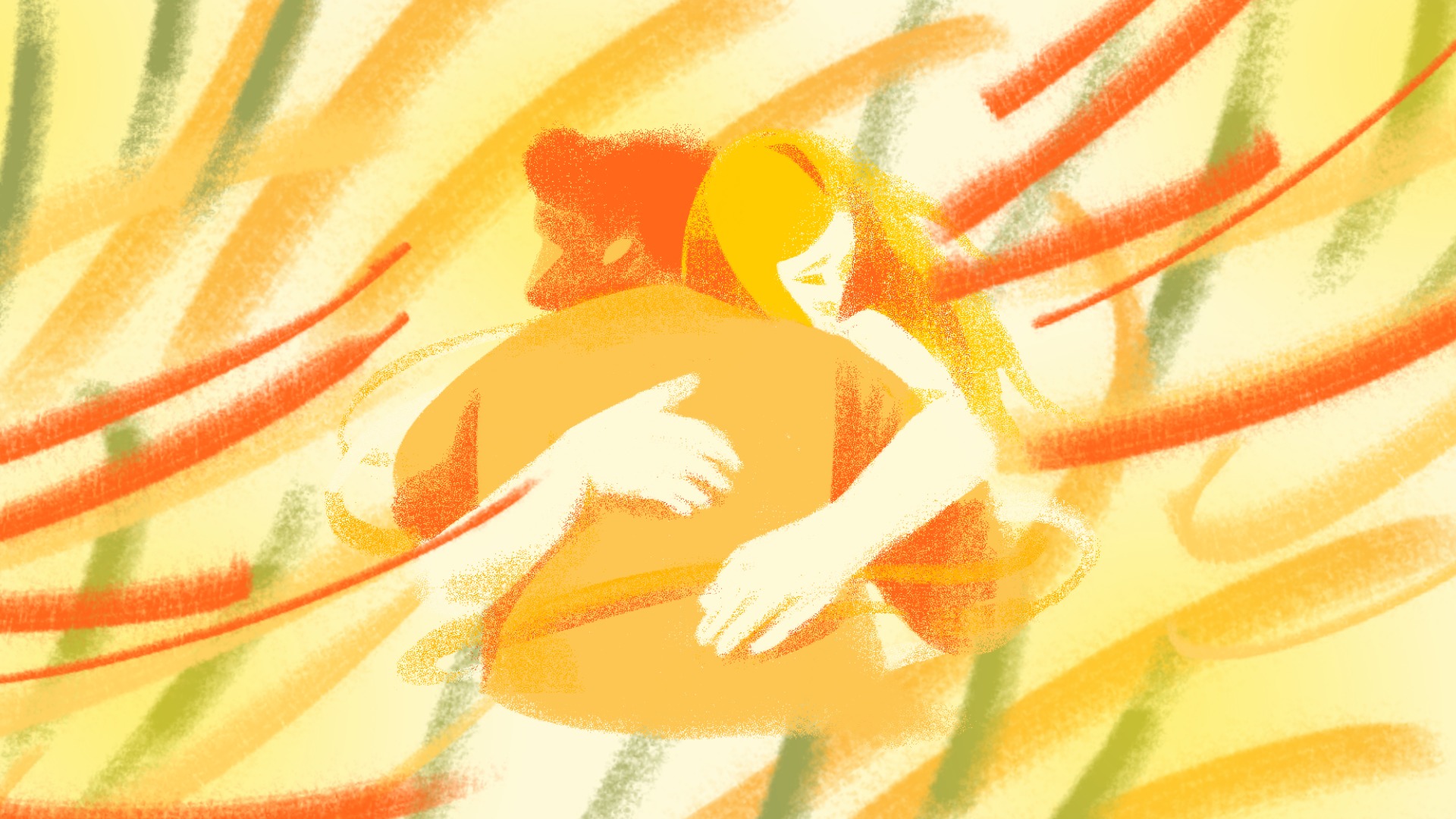
For reasons beyond my understanding, Rasha, I do love you dearly, I always have, even after all that you have done. Do not mistake my love for generosity, however. Property is a form of revenge, and I have chosen its shape carefully.
Even as I write, I can imagine your fingers already blackened with dust, tugging at folders, hoping paper might confess what blood will not. You look for land before you look for me. You search for signatures before you search for sense. Do not pretend otherwise. You are no different from the rest of them. I spared you the noise of my contempt while I lived. Death, it seems, has freed my tongue.
Farewell,
Didamoni
Titir uses the art of storytelling as an excuse to give life to her fantasies in the form of hideous characters. Find her at punomirahman@gmail.com.
 For all latest news, follow The Daily Star's Google News channel.


Comments