


A building regulator is long overdue
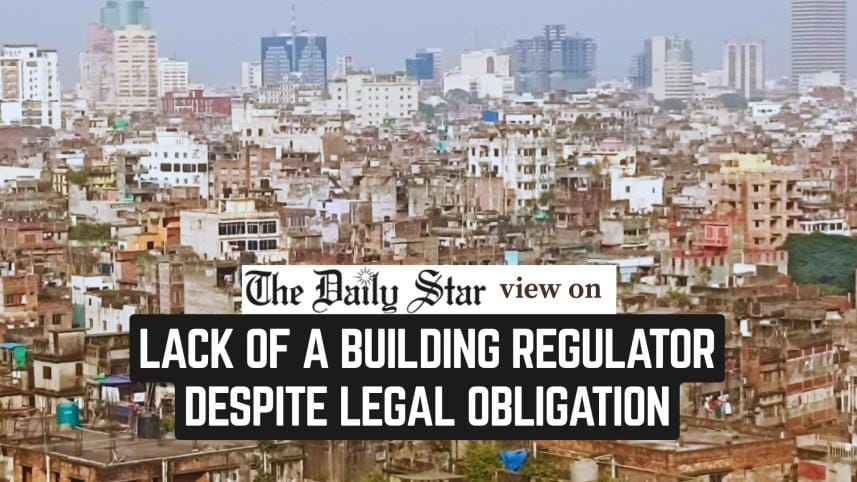
The 5.7-magnitude earthquake that recently shook parts of Bangladesh was a geological warning shot, a prelude to a catastrophic rupture that experts fear is nearly inevitable. In a deltaic land with extreme urban density, this is an existential gamble where lives, livelihoods, and entire communities hang in the balance. Unfortunately, as we have been warning for years, the country's shield against any earthquake-induced devastation is weak, with a relatively modern building code that is comprehensive in theory but largely ignored in practice.
Five years ago, according to a report, the then government gazetted the Bangladesh National Building Code. On paper, it is a robust document, prescribing rigorous standards for seismic resilience, fire safety, and structural integrity. It mandates the creation of a Bangladesh Building Regulatory Authority (BBRA) to police runaway construction. But half a decade on, the BBRA remains a fiction. In its absence, the country's urban sprawl—a chaotic mix of glass-and-steel towers and precarious masonry—has been left largely unregulated.
 For all latest news, follow The Daily Star's Google News channel.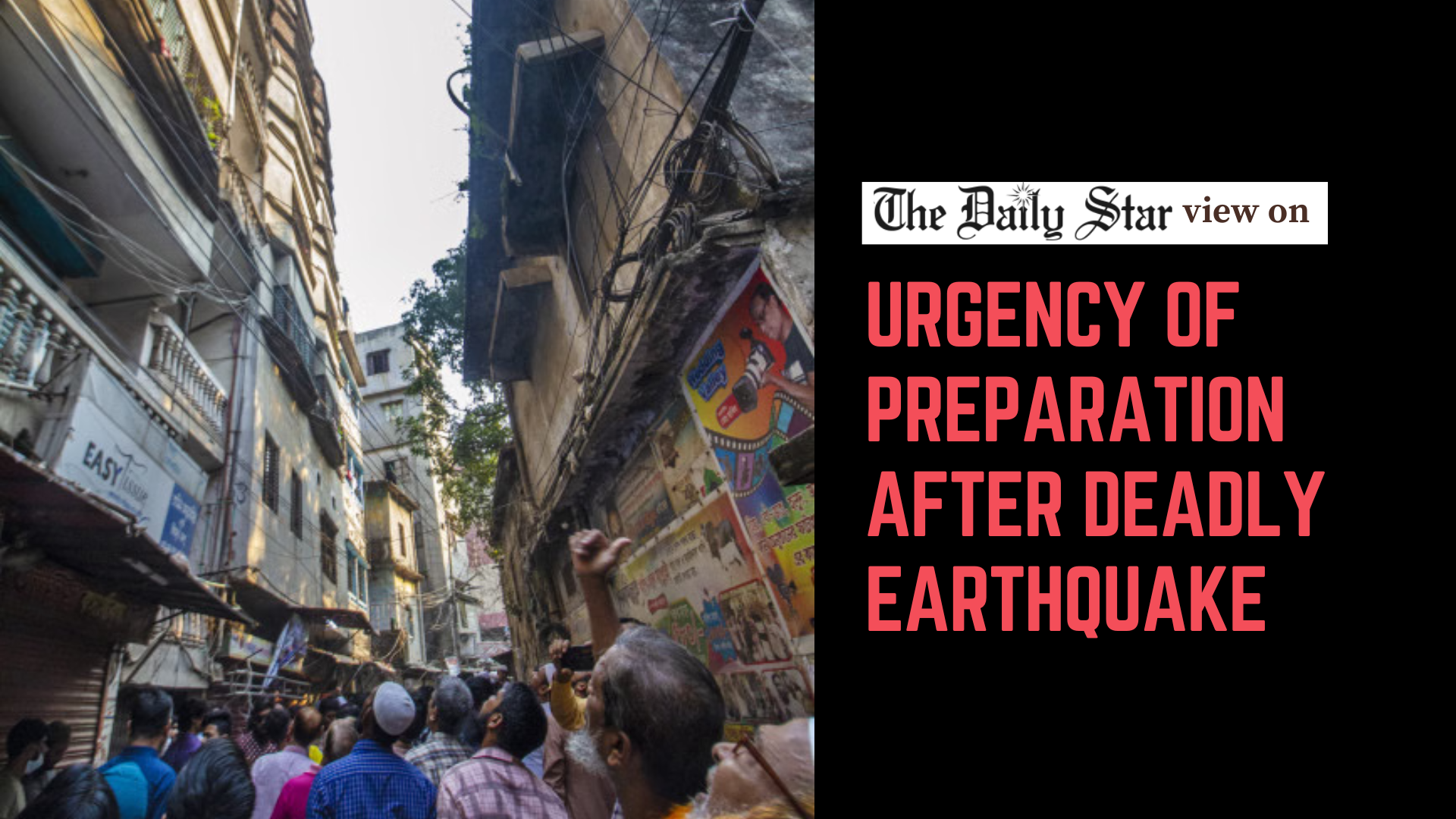
Admittedly, this failure is one of bureaucratic design. Rather than establishing an independent body of engineers and planners, the previous administration handed oversight to deputy commissioners. Asking district-level civil servants with no technical background to audit shear walls or soil liquefaction potential was a bizarre idea that, perhaps to no one's surprise, created a regulatory vacuum. In major cities, enforcement of the building code remains porous. In upazilas and rural areas, it is effectively nonexistent.
The stakes, as the recent earthquake has shown, could not be higher. Rajuk, Dhaka's development agency, estimates that a 6.9-magnitude quake could flatten 865,000 buildings and kill 210,000 people in the capital alone. Its old quarters, with narrow lanes and century-old structures, are particularly vulnerable. In Chattogram, three-quarters of buildings are deemed "at serious risk." Without a central authority to enforce soil testing and structural compliance, these and other cities are effectively building their own tombs.
The current administration has rightly flagged this as an emergency. The chief adviser has reportedly ordered an inquiry to create a dedicated authority to approve all construction, and an interim committee expects to form the BBRA by December. Building a regulator from scratch takes time, but it must be done, and done right and fast.
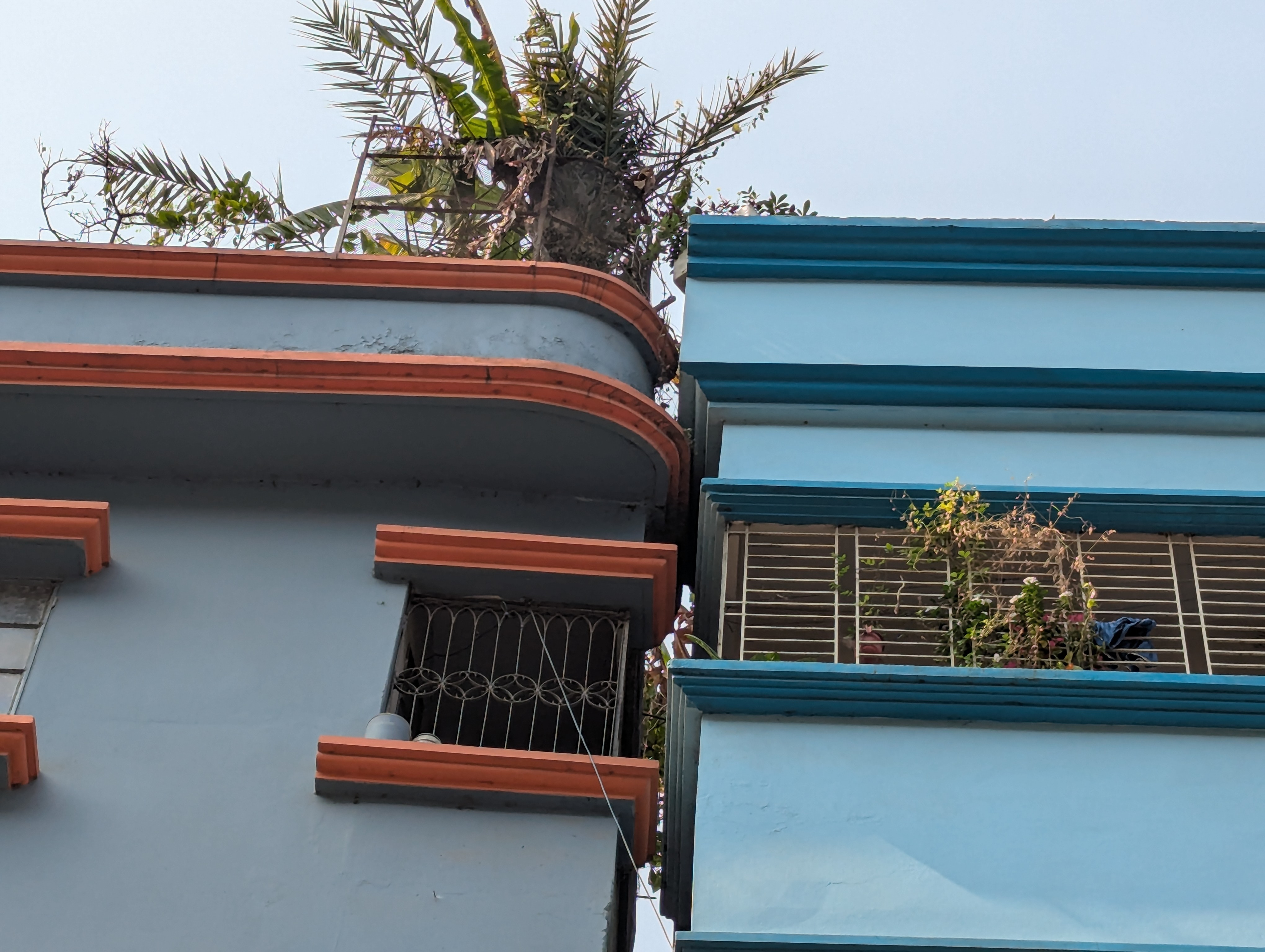
Going forward, all relevant government departments must stop treating construction safety as a general administrative task and recognise it as an inviolable technical line. The "building officials" designated by the code—executive engineers from the Public Works Department—must be empowered properly, bypassing the sclerotic district committees. A culture of third-party vetting, standard in the West but foreign to Bangladesh's corner-cutting construction sector, must also be enforced. Given how grave the threats are, we must do everything necessary to ensure that when the earth moves, our structures, and the people inside them, can survive.
Comments