
BB buys over half a billion dollars within a week to shore up reserves
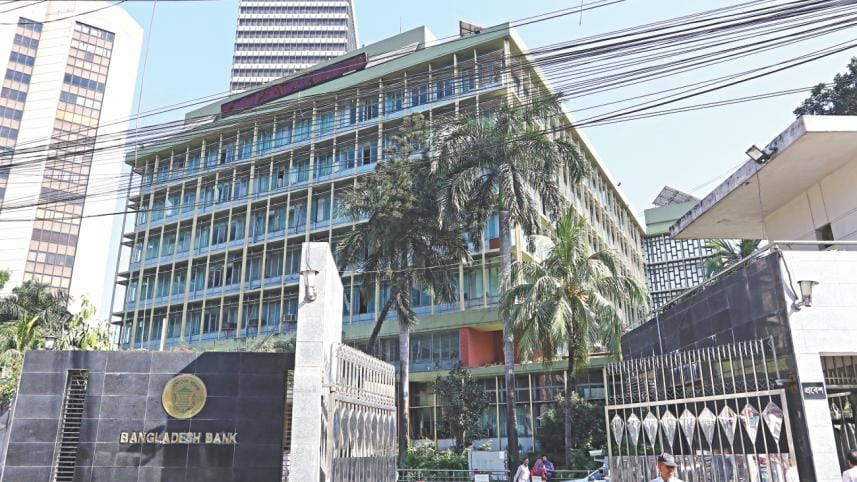
The Bangladesh Bank (BB) purchased $617 million from commercial banks in the first seven days of January as part of its ongoing intervention in the foreign exchange market.
The move comes as the central bank seeks to rebuild reserves and keep the market stable. With the latest purchase, BB has bought a total of $3.75 billion from the banking sector so far in the current fiscal year (FY) 2025-26.
 For all latest news, follow The Daily Star's Google News channel.
 “We are purchasing dollars with two objectives in mind: rebuilding reserves and keeping the foreign exchange market stable,” said Md Habibur Rahman, deputy governor of the Bangladesh Bank. “As foreign currencies are available in the market, we are buying,” he added.
Reserves have been recovering since last year, supported by higher remittance inflows, stronger export earnings, and slower import growth.
After years of selling greenbacks, the central bank now aims to raise gross foreign exchange reserves to $35 billion in the near term.
Yesterday, BB made an Asian Clearing Union (ACU) payment of $1.535 billion. Following that, foreign exchange reserves stood at $27.85 billion under the IMF’s calculation method, while BB’s own calculation showed reserves at $32.44 billion.
According to BB data, reserves have increased by more than $8 billion over the past year.
After selling more than $25 billion from reserves between FY21 and FY25 to finance imports of fuel, fertiliser, and food, the central bank began purchasing dollars again at the start of the current fiscal year as foreign currency supply improved.
A senior BB official said the intervention aims to prevent sharp volatility in the exchange rate.
Despite adopting a floating exchange rate in May last year under a $5.5 billion IMF loan programme, the central bank continues to intervene if the dollar rises above Tk 123 or falls below Tk 121 to maintain stability.
Following the fall of the Awami League-led government in August 2024 amid a mass uprising, BB had suspended dollar support for government imports due to depleted reserves.
Subsequent increases in remittances and export earnings provided relief to the interim government, allowing the central bank to resume dollar purchases in March 2025.
Comments