


Bangladesh is producing graduates, not skills
Every year, Bangladesh adds several lakhs of new graduates to the labour market. More than a hundred public and private universities, along with thousands of colleges and polytechnic institutes, produce degree holders full of hope. Yet for many young people, graduation marks the beginning of prolonged unemployment or underemployment. Youth unemployment has become a structural crisis, rooted not in a lack of talent, but in an education system that prioritises certificates over competence and memorisation over skills.
Bangladesh operates one of the most fragmented education systems in the world. Bangla medium, English medium, madrasah, quomi madrasah, ebtedayee, technical and vocational streams coexist with little coordination. Instead of building a coherent national framework, policies have often shifted in response to political ideology or short-term objectives. The result is wide inconsistency in learning outcomes. Students graduate with so-called "equivalent" qualifications but vastly different competencies, leaving employers uncertain and graduates ill-prepared for work.
 For all latest news, follow The Daily Star's Google News channel.
 At the heart of the problem lies an outdated obsession with book learning. From primary school to university, students are trained to memorise textbooks, guidebooks and exam answers. Academic success is measured by grades, not by the ability to think critically, communicate clearly or apply knowledge. This produces graduates who may perform well in examinations but struggle with basic workplace requirements such as writing a professional email, making a presentation, analysing a problem or working in teams.
No education system can rise above the quality of its teachers. In Bangladesh, teaching has gradually lost professional prestige due to low pay, limited training, weak accountability and political interference. In rural areas, absenteeism and outdated teaching methods remain common. Despite government investment in ICT infrastructure, computers and internet facilities in many rural schools are underutilised. Many teachers lack confidence in digital tools and fear that online educational content will expose gaps in their own knowledge. In many areas, teachers depend heavily on paid private tuition, and wider access to online learning could reduce student reliance on coaching. As a result, students are sometimes discouraged from using digital resources.
The gap between academic learning and practical competence is particularly evident in professional education. Engineering universities emphasise theory and written examinations, while hands-on training remains limited. Civil engineering graduates, for example, may lack a practical understanding of construction basics such as proper curing after roof casting. Mechanical or electrical graduates may struggle with simple repairs or fault diagnosis. Business, management and IT education reflect similar weaknesses. Graduates often memorise theories but lack workplace-ready skills, forcing employers to invest heavily in retraining.
The rapid commercialisation of university education has further weakened the quality. While private universities have expanded access, many operate primarily as profit-driven ventures, prioritising enrolment numbers over academic rigour. Weak regulation, overreliance on part-time faculty, and a limited research culture have diluted standards. Degrees have increasingly become commodities rather than reliable indicators of competence, contributing to graduate unemployment.
Vocational education, which could offer a practical alternative, continues to carry social stigma. Despite policy commitments, technical institutions suffer from outdated equipment, weak industry linkages and corruption in certification. Ironically, while graduates remain unemployed, industries report shortages of skilled technicians and mid-level professionals.
The solution lies not in producing more graduates, but in producing graduates equipped with workplace skills. Education reform must shift from exam-based assessment to skill-based learning. Practical training, supervised internships and project work should be mandatory across disciplines. Teachers must be properly trained, fairly paid and incentivised to embrace technology rather than resist it. ICT should be a daily learning tool, not a locked cupboard.
The youth unemployment crisis in Bangladesh is not a failure of young people. It is a failure of systems that reward memorisation over skills and certificates over capability. Unless education is reoriented towards competence, adaptability and real-world relevance, degrees will continue to multiply while opportunities remain out of reach. With honest and sustained reform, the country can still turn its youthful population into its greatest strength.
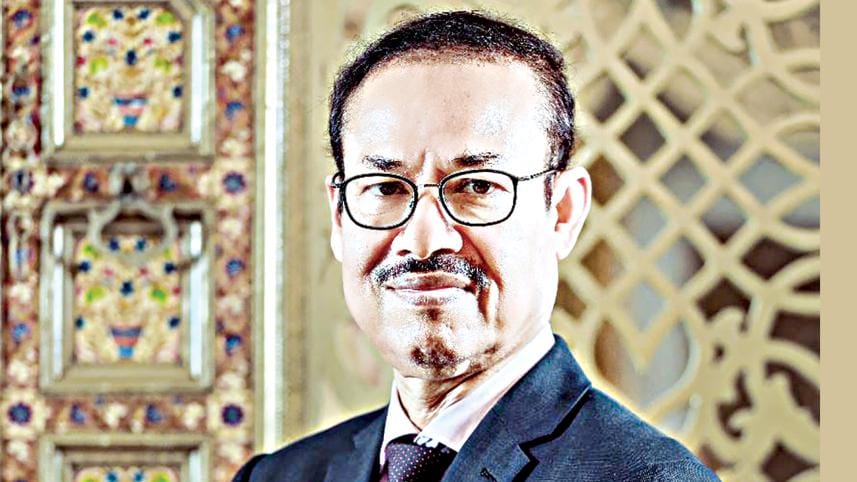
The writer is the chairman of Unilever Consumer Care Ltd
Comments