


Is it even Eid if you are not forced to eat shemai?
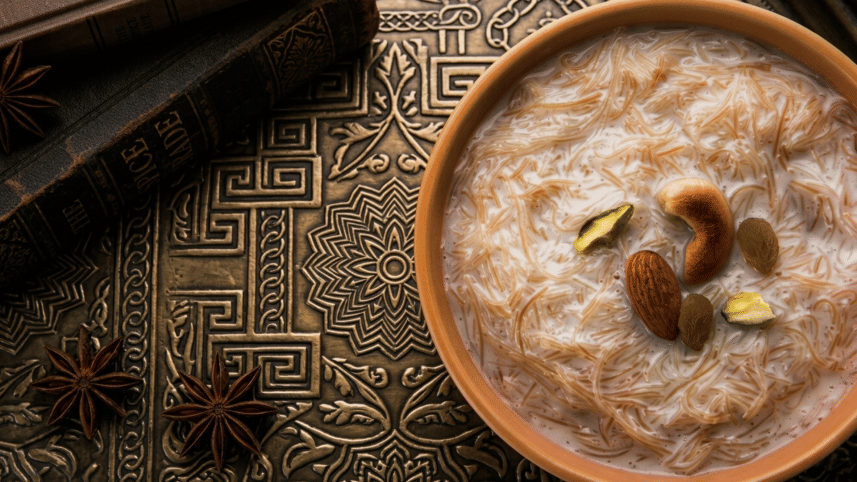
There comes a point during every Eid when I am no longer human. No feelings and no opinions. Just a shemai-processing unit. I am sure many of us have been fortunate enough to face this situation.
My only real role is to drift from one sofa to another, cheeks aching from forced smiles, as relatives hand me what must be my fifth, sixth, or seventh bowl of shemai.
 For all latest news, follow The Daily Star's Google News channel.
 “Ours is different,” they insist, with the pride of people unveiling a generational masterpiece.
Not going to lie, some of those shemais actually taste as if they have come out of the best Michelin kitchen in the world. The bowl arrives shaped like love and warmth, fragrant with cardamom, milk, and just the right amount of roasted sweetness.
The first spoonful is comforting. The problem is never the first bowl. The problem is that the first bowl creates expectations. The second I finish the first bowl, someone teleports next to me with the confidence of a person who mistook my politeness for capacity: “Have another bowl. It's still piping hot.”
And when I do respond, usually with a weak “No, no, I’m fine”, that is treated not as an answer, but as the opening statement in a negotiation.
“Why, didn’t you like it?”
“You barely ate.”
“When you were younger, you used to ask for seconds.”
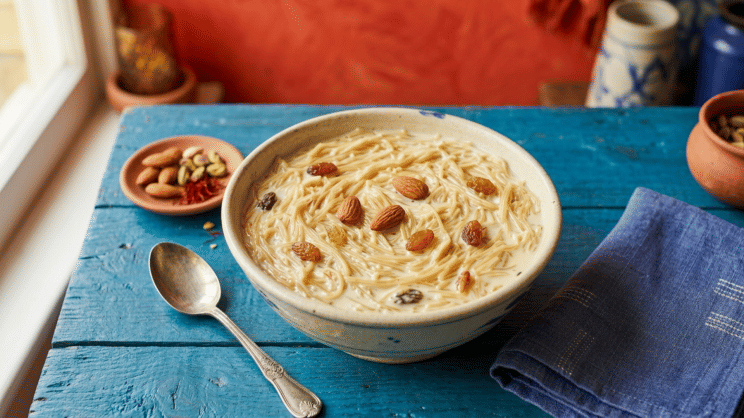
Suddenly, this is no longer about dessert. This is about loyalty. My moral character!
The shemai ordeal carries on to the next day.
“What’s for breakfast?” you may ask, awaiting to be served ruti, dim bhaji, or leftovers from last night’s dawat.
“You can have ruti-shemai or muri-shemai.”
At this point, the shemai is no longer a dish. It is a governance system.
On day three, it begins to feel its full strength. The Eid enthusiasm has subsided a little. There are fewer visitors, and the home is quieter. Yet, the shemai remains.
It sits in the kitchen with the calm certainty of something aware that it cannot be removed. It reappears at breakfast, stays around lunch, and eventually returns after dinner, as if it had signed a long-term lease on the dining table.
The shemai gathers strength in the fridge, gearing up for a fight with my taste buds and delivering the final blow to my already existing flavour fatigue. I stare at the shemai. The shemai stares back, grinning as if its victory is predestined.
By then, the texture had also changed. The warm, joyful softness of Eid morning has passed. What remains is a thicker, more serious version of itself, having spent two nights in the fridge to gain confidence. Someone will certainly say, "It tastes even better now," with the confidence of a culinary critic defending a masterpiece.
I no longer enquire if there is any shemai left. I’m already aware that there is. It's no longer a dessert. It is a domestic institution, steady, quietly strong, and impossible to question without appearing ungrateful.


Comments