


Cold weather puts animals at risk—here’s what you can do

Winter in Bangladesh may not come with snowstorms, but the season still brings a sharp drop in temperature, dry winds, and sudden cold snaps — all of which can make life harder for both house pets and street animals. While we reach for sweaters and hot tea, animals often suffer in silence, especially those that don't live indoors.
So, here's how you can adapt your care routine, whether you live with animals or simply encounter them outside.
 For all latest news, follow The Daily Star's Google News channel.
Warmth is essential, not optional
Indoor pets like dogs and cats are more sensitive to temperature drops than most people assume, especially if they have short fur. Avoid bathing them frequently during winter, as it strips away essential oils. Dry them thoroughly after a wash and never leave them wet in the cold. Place their beds away from tiled floors or draughty windows. Use old sweaters, towels, or warm blankets as bedding.
As for strays, provide makeshift shelters using cardboard boxes lined with cloth, straw, or dry rags in secure corners, under stairs, or next to boundary walls. These boxes can help a street dog or cat survive bitter nights. Feed them in the same location each day and place the food before sunset, so they don't roam too much in the cold.

Food and hydration adjustments
In cold weather, animals burn more energy to keep warm. This means they may need slightly more food than usual, but not necessarily more treats. Offer warm, cooked food like rice with boiled chicken or egg for dogs and cats. Avoid cold, leftover scraps straight from the fridge.
Keep water slightly warm and change it regularly, especially for outdoor bowls. Animals tend to drink less in winter, which can lead to dehydration.
If you keep birds, avoid placing cages near open windows. Provide extra perches and cloth coverings. For outdoor birds, leave out grains or bread pieces in dry, shaded spots. A shallow dish of water, changed daily, can go a long way.
Observe behavioural changes
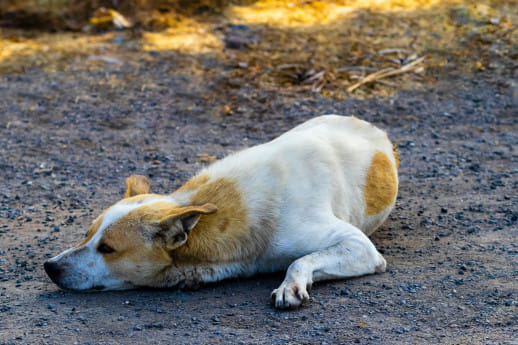
Animals react differently to cold. Dogs may curl up more tightly, cats might seek out warm appliances, and birds may fluff their feathers. These are signs of trying to conserve body heat. If an animal becomes lethargic, loses appetite, or shows signs of stiffness, it could be early hypothermia. In such cases, consult a vet. Don't try to medicate at home.
Supporting strays without creating dependence
Feeding or sheltering stray animals is noble, but winter care should aim to make them safer without encouraging dependence in ways that might backfire. Try to collaborate with neighbours – joint efforts in one lane or building can ensure several animals are cared for without creating territorial fights or food scarcity patterns.
If possible, work with local organisations to sterilise and vaccinate the animals you're feeding — preventing future litters during a season when even adults struggle to survive.
Don't forget abandoned or ageing pets
Sometimes, pets are abandoned or ignored as they age or fall ill. Winter hits such animals the hardest. If you see a once-cared-for dog shivering in your alley, or a cat crying under your porch, it might not be a stray — it could be an abandoned pet. Approach gently, offer food, and consider reaching out to an animal welfare organisation.
Animals don't ask for much – just warmth, regular food, and a safe place to sleep. Whether they live in your house or on your street, winter is a season that tests resilience. Your small actions – a blanket in a corner, a warm meal after dusk, a bowl of water out of the wind – can shift that balance from survival to comfort.
You don't need to do everything. But doing something, consistently and compassionately, matters.
Comments