


‘Not having a permanent job is my biggest regret’
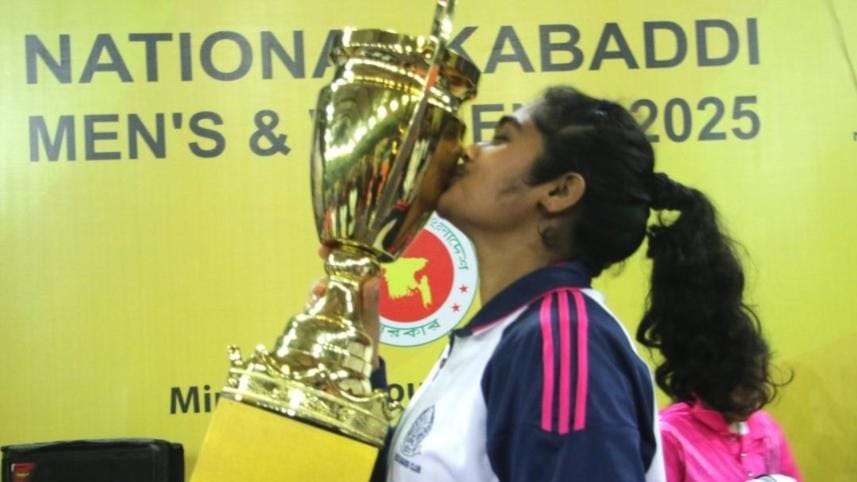
Sraboni Mallick is one of the most experienced figures in Bangladesh women's kabaddi. She recently led Bangladesh Police to their maiden National Women's Kabaddi Championship title, ending the reign of former champions Bangladesh Ansar & VDP. A key member of Bangladesh's bronze-winning squads at the Women's Asian Kabaddi Championship and the Women's Kabaddi World Cup, Sraboni spoke to The Daily Star's Anisur Rahman about the national championship, the progress of women's kabaddi and her personal journey. Excerpts from the interview are as follows:
The Daily Star (DS): How did it feel to be named the best player of the National Women's Kabaddi Championship?
 For all latest news, follow The Daily Star's Google News channel.
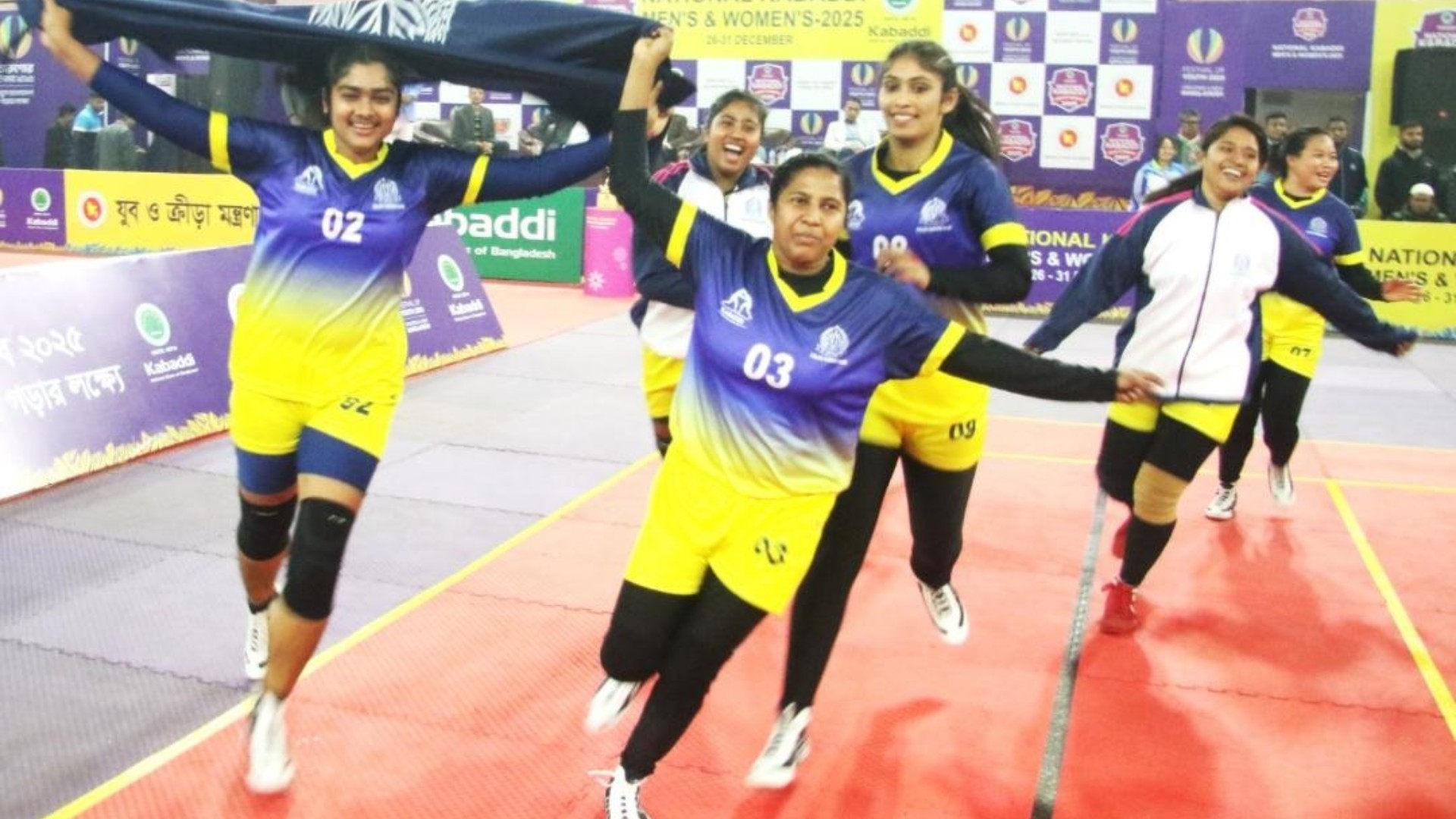
 Sraboni Mallick (SM): Playing kabaddi always makes me happy, but being named the best player added something extra. This happiness is greater than before because Bangladesh Police became national champions for the first time after I joined the team. The tournament was very competitive as Police, Ansar & VDP and BGB all had strong teams with national players.
DS: You were previously part of Bangladesh Ansar & VDP. Why did you move to the Police team?
SM: I played for Ansar & VDP from 2017 to 2023 and was part of their championship-winning team twice. During that time, I also represented Ansar in athletics and wrestling. I won seven consecutive gold medals in shot put and five gold medals in the 76kg wrestling category. I applied several times for a permanent job, but it did not materialise. That is why I joined Bangladesh Police, hoping for job security. At least I am now earning a better salary than before.
DS: Will you continue playing multiple disciplines for Bangladesh Police?
SM: Playing three disciplines together has become very difficult, especially as I am a key kabaddi player now. Let's see how things go in the coming days.
DS: Do you keep track of your medals in different disciplines?
SM: I started competing at national level in 2014 and also represented my home district Narail. I believe I have won more than 100 medals, including gold medals in both individual and team events.
DS: Moving on to Bangladesh kabaddi, what do you think separates Bangladesh from the top teams?
SM: Our long-term training helped us win bronze medals, but we still lag behind in fitness, skill and physical strength. Our biggest weakness is defence, especially holding the opponent's ankles, and failing to secure bonus points during raids. We must improve these areas.
DS: What are the shortcomings in the sport?
SM: We do not have an exclusive gym for kabaddi players, which is a major problem because fitness is crucial. We can use swimming pools and ice baths elsewhere, but regular gym access is essential. Another issue is financial security. Many players come from underprivileged backgrounds and do not have permanent jobs, so honourariums would motivate them greatly.
DS: Can junior players replace senior players in the near future?
SM: The federation is working to strengthen the pipeline, but the number of women players is still limited. As kabaddi is a body-contact sport, junior players need time to develop fitness. With long-term training and exposure, they can eventually perform at international level.
DS: Do you have any regrets about choosing sport as a career?
SM: Yes. I have tried for a long time to secure a government job but failed. My parents wanted me to focus on studies, but I chose sports. Now, at 28, as my playing career nears its end, not having a permanent job is my biggest regret.
Comments