


What we learn when we truly see our parents
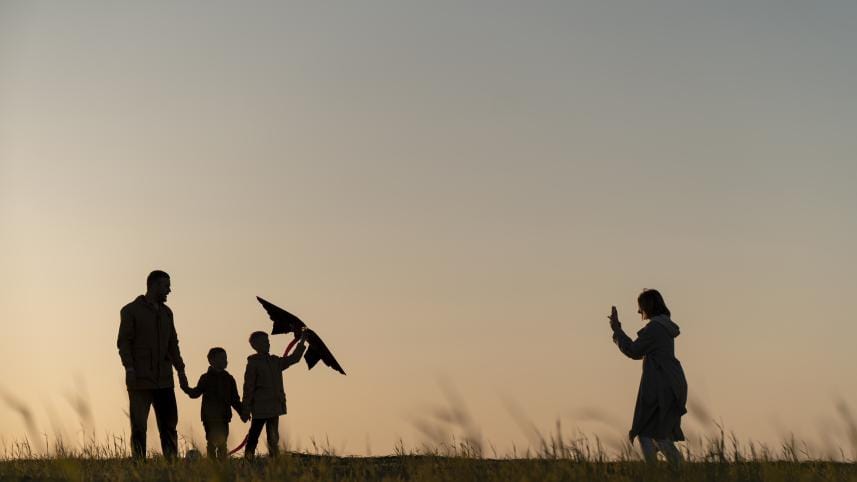
When we were children, our parents felt larger than life. They were the people who fixed our broken toys. When we got hurt, we went running to them or they came running to us. We slipped underneath their blanket because even nightmares could not reach us there. We held their hands through the world that seemed too big and confusing.
When I was a child, I did not obey my parents because I was told to, I listened to them because in my heart they were so perfect that whatever they said was meant to be. Through my young eyes, they appeared flawless. I placed them on a pedestal without realising it. I believed they were above mistakes simply because they were the "adults" and they were my parents.
 For all latest news, follow The Daily Star's Google News channel.
 But teenage-hood arrived like a scorching summer wind on a beautiful spring day. I started being "me". My identity was slowly getting shaped and it often clashed with my parents' version of what I was. I found myself so angry at them; "Why can't they understand me even though they are my parents?" Every rule felt unfair and every decision felt like a personal attack. The misunderstandings widened the gap between us. The anger came from the shock of realising that they weren't as perfect as I previously thought they were and I did not know how to handle that truth. I expected certainty from people who were also just trying to figure life out.
Now that I am tiptoeing on adulthood, my perspective is different. I see my parents as humans. They are also people with fears, weaknesses, insecurities and limits. People who had entire lives full of stories and struggles long before I existed. Suddenly, the decisions that felt controlling back then look like attempts to protect me. The mistakes that once felt unforgivable now appear as moments of human imperfection.
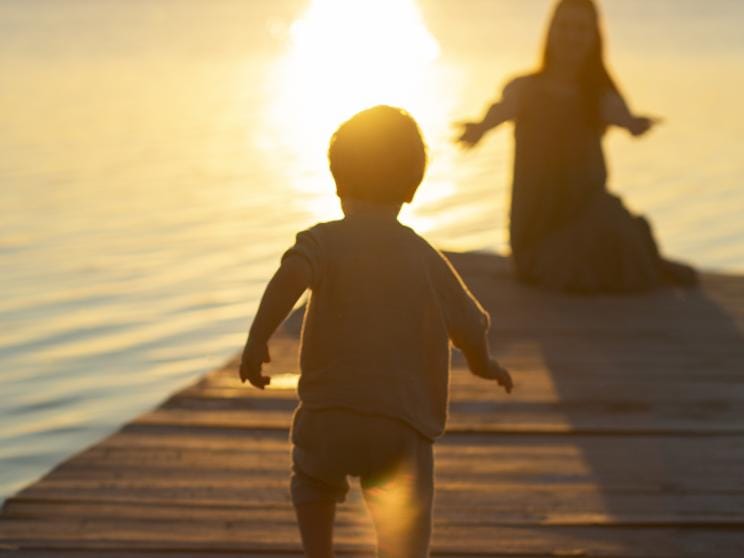
It is not difficult to admit that I understand them more now. Recognising their humanity doesn't erase the hurt their mistakes may have caused but it does replace the anger with empathy to some extent. Sometimes this understanding comes with a new kind of fear. The fear that I might become a parent myself one day. No matter how much I imagine the ideal way to raise a child, they will find some shortcomings, because I am sure that my parents did their best too.
I worry that my own child might look at me the way I once looked at my parents; expecting perfection, answers and strength I may not always have. The thought that my mistakes could become someone else's childhood memories frightens me to my core. It makes me realise how heavy the role of "parent" is and how unprepared many of us feel long before we step into it.
A part of this comes from our culture too. We grow up in societies where parents are glorified to the point where they are portrayed as god-like figures. They are selfless, all-knowing, endlessly patient and, most importantly, above all mistakes. They are expected to sacrifice without any complaint and guide their children without any fear.
This over-glorification sets an impossible standard not only for them but also for us, the children who eventually become adults. We inherit these expectations and then struggle when reality doesn't match the ideal. Parents are not mythical beings, they are ordinary people with ordinary lives and extraordinary love for us.
I spent years thinking my parents were unshakeable pillars, until life showed me the cracks made them real. Growing up is about realising that everything your parents want for you might not be right, even though they had the purest intention. But it's okay because they aren't supposed to be right about everything. They are also learning, stumbling and surviving just like the rest of us. They cared, they tried and failed. And maybe the most rewarding thing about stepping into adulthood is realising that none of us—neither they nor we—ever truly have everything figured out.
Sazida Nahrin Auhona is an undergrad student who lives somewhere between art, literature, and philosophy. You can reach out to her at auhonanahrin@gmail.com
Send your articles for Slow Reads to slowreads@thedailystar.net. Check out our submission guidelines for details.
Comments