


A quiet farewell preserved in ash
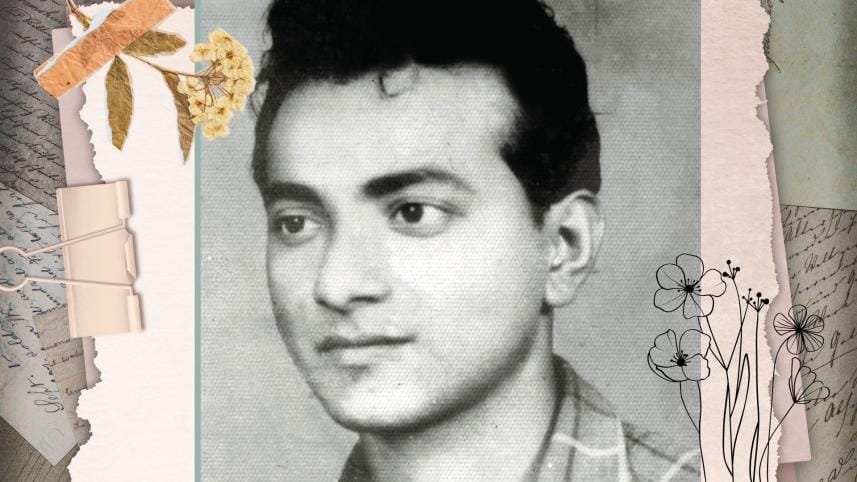
An ashtray preserved in the Martyred Intellectuals Gallery of the Liberation War Museum may appear insignificant at first glance. To the casual observer, it is merely an everyday object. But those who pause and look closely will notice cigarette filters resting in its hollow, settled among layers of dust and ash. It is only through such patient attention that the story of Dr Azharul Haque's final farewell begins to emerge.
In July 1971, Dr Azharul Haque was summoned to police headquarters and warned for treating wounded freedom fighters. Though he stopped seeing patients openly in his chamber, he did not stop practising medicine. Instead, he continued to provide secret medical care in the Hatirpool slums and other high-risk areas across Dhaka, where the injured could not afford visibility—or delay.
 For all latest news, follow The Daily Star's Google News channel.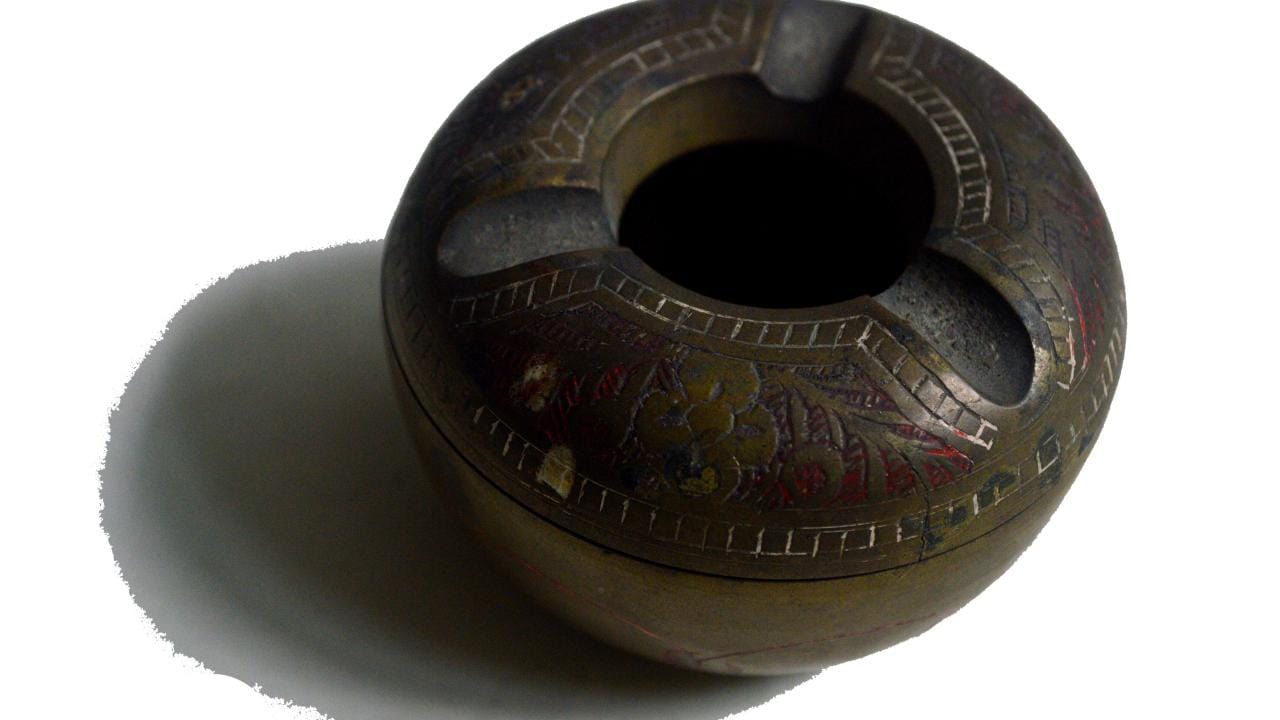
On 15 November 1971, while attempting to reach a hospital, the area was cordoned off by Al-Badr cadres. An ambulance carrying Dr Haque and his colleague, Dr A B M Hamayun Kabir, was stopped. Both men were assaulted and forcibly taken away at gunpoint. The following day, 16 November, their bodies were discovered in a trench near Notre Dame College in Motijheel.
That morning, before leaving his residence at Hakim House in Hatirpool, Dr Haque smoked a cigarette. He tapped the ash and placed the final cigarette butt into the ashtray he used every day. No one could have known that this ordinary gesture would become his last trace. Today, the dust and ash preserved within the ashtray seem to hold a silent farewell—to his home, and to the country he refused to abandon.
Comments