


Let’s electrify our kitchen
We are in the era of abnormal weather and extreme climate events all around the globe, and this is our (humankind) creation by irresponsible use of natural resources. Global warming affects everyone of us irrespective of nationality – rich or poor, small or large, geographic locations, socioeconomic conditions, or political orientations. The purpose of this deliberation is not to reiterate demand for reparations for the most affected developing countries but to figure out what we can do to help the planet recover.
Burning fossil fuel and biomass account for production and leakage of significant volumes of carbon-dioxide and methane. It needs to be mentioned that methane is 80-85 times more harmful than carbon-dioxide in a 20-year horizon. Piped natural gas we use for cooking in Dhaka, Chattogram and a few other cities is mostly methane gas, extracted from gas fields, transported through long pipelines, and finally distributed to households through thousands of kilometres of distribution pipelines. Gas leakage in the pipelines to the tune of 3-5% is not an overestimate, detection and repair are a constant battle.
A comparable amount of methane gas leakage persists at the endpoints (meter, riser, domestic pipeline, cook stove) due to rusty pipeline, defective junctions, inferior quality cookstoves and improper combustion. As a result, the health and safety of both people and planet always remain at risk, invisible and considered insignificant to most of us.
There is a major environmental risk in this practice of draining thick starch fluid (Bhater Maar), it will soon be converted to methane (which is 80-85 times more harmful than carbon-dioxide). It is unfortunate that we don’t care about the fact that a significant part of the energy and vitamin contained in rice is drained in the conventional way of cooking rice.
Usage of LPG gas has increased in recent years helping millions of households to run without piped gas coverage. While it has increased quality of life, price volatility and unreliable supply chain remain significant challenges. Supply of piped gas also suffers at times due to lack of supply and pipeline damages. Households resort to burning biomass or using electric rice cookers and electric induction cooktops in such situations.
Cooking rice using a gas stove is a very risky procedure, a container with rice and plenty of water would have to be boiled for 25-30 minutes with high flames. An attendant or housekeeper passing by the stove always stands a chance of catching fire on the loose ends of a sari or dupatta, unfortunately we are not in the habit of wearing kitchen aprons. A Tk 100 apron can save lives, equally applicable for the maid and the homemaker. It’s like the seatbelt, a must-do.
Whoever is attending the stove has other chores to do, an unattended stove with a boiling pot can always spill over and extinguish the flame. With the burner knob still on, the kitchen and living space will be flooded with leaked gas if the kitchen window is closed and kitchen hood is absent. That’s inches away from a major fire incident. I can’t think of a situation where one burner is running, and another burner has just been extinguished with continued gas flow! As a precaution, we should not be cooking anything else on the second burner while we cook rice, the idle burner has to be turned off at all times. Then again, we have this habit of draining excess fluid from boiled rice when the pot is too hot. Spillage of this thick starch-filled fluid can create serious burns. Moreover, arrangements are often makeshift adding to the burning risk.
There is a major environmental risk in this practice of draining thick starch fluid (Bhater Maar), it will soon be converted to methane (which is 80-85 times more harmful than carbon-dioxide). It is unfortunate that we don’t care about the fact that a significant part of the energy and vitamin contained in rice is drained in the conventional way of cooking rice. An electric rice cooker has solutions for all the issues – health, safety, energy, vitamin, environment; moreover, it saves time. The taste of rice (cooked with no excess fluid to drain) wouldn’t be much different, fried rice, Palau or khichri had always been cooked this way.
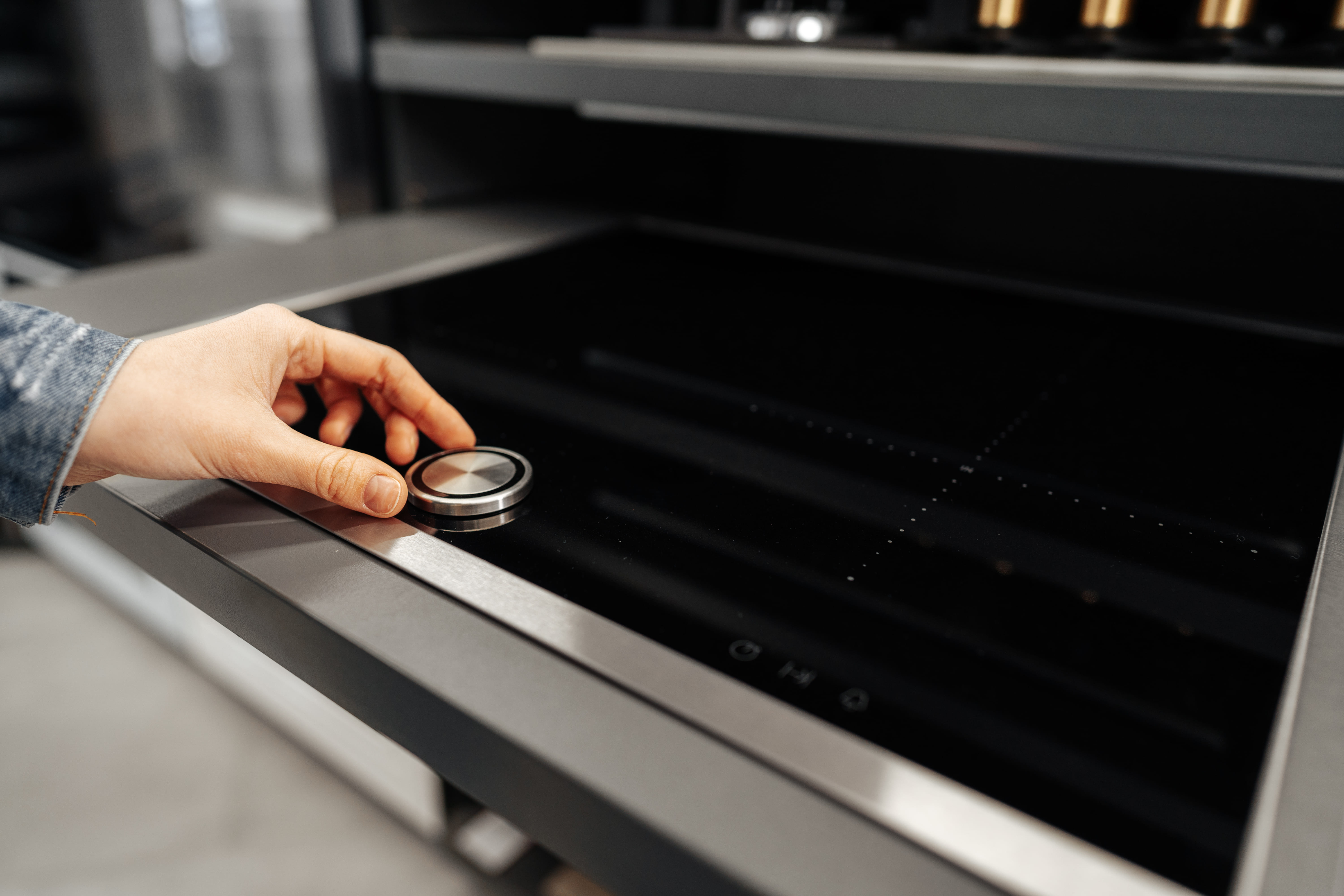
Electric induction or infrared cook stoves generate no flames, no dependence on gas or LPG, no harmful gas gets generated, no fire hazard, and much faster cooking freeing up valuable time. Electric cook stoves are now manufactured locally and widely available at an affordable price, the cost of electricity would be less than that of the LPG cost. Why not electrify our kitchen, that is the best help we can do to ourselves and to our planet.
M Sabbir Hussain is an engineer and environmentalist.
Send your articles for Slow Reads to slowreads@thedailystar.net. Check out our submission guidelines for details.