Why Bangladesh is still failing to protect children from infectious diseases
"My child missed vaccination after the first shot at 45 days of age." This was the response of a teenage mother, her face marked by guilt, as she brought her 13-month-old child to the hospital with fever and a rash. They did not have the child's tika card, nor had they been given any alternative documentation. Before they could collect one, the family had to leave their village. The father, a garment worker, blamed himself. Having recently moved from Jamalpur, he returns home only after working overtime, only to leave again for the factory the following morning. He regretted that he had been unable to complete his child's vaccination because he could not obtain the card. Now, the family fears that their baby may have contracted measles.
This is just one of countless stories that linger in hospital corridors. Most of these stories never get a chance to be heard because we are all living within our own bubbles, without taking the time to pause and explore them, sometimes not knowing what to explore, how to explore it, or simply being unable to do so because such stories are not personal. These are the stories of a population living parallel lives as Bangladeshi citizens. At this stage, certain questions come to mind. Are the parents guilty at all? Can vaccination alone save children from infectious diseases? Who should play the central role in protecting a child?
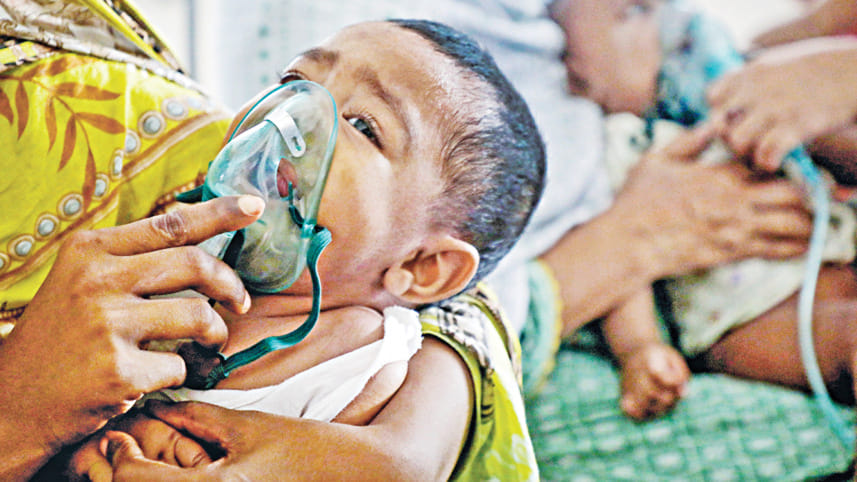
Infections still take a heavy toll on the lives of children under five in Bangladesh. Common examples include diarrhoea, pneumonia and neonatal sepsis. Each year, around 24,000 children under five die from pneumonia, and around 60 pneumonia-related deaths occur every day. The recent outbreak of measles has added further to this burden, as measles-related deaths are mostly due to pneumonia. In Bangladesh, under-five mortality is, on average, 33 per thousand, although it is higher among lower-income groups. Unhealthy living conditions, malnutrition, inadequate primary healthcare facilities, delayed intervention, and the cost of treatment can all be considered major contributing factors.
During the first five years of life, children are at high risk of contracting infections because their immune systems are still developing. Infectious organisms recognise no borders, class, gender or age. They simply need a suitable host in a conducive environment to continue their life cycle. A child with a vulnerable immune system is, therefore, an ideal host for germs to multiply, and children from underprivileged communities, by default, become more susceptible to infectious diseases.
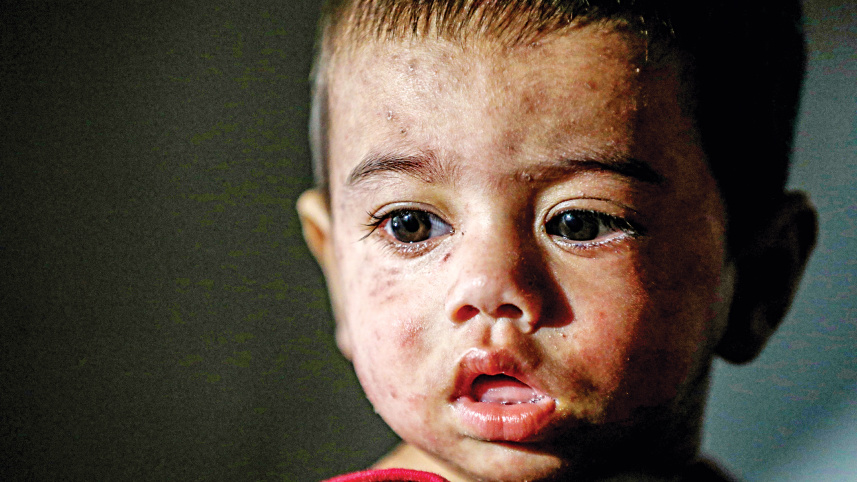
What does an infection do to children?
Infections may result in morbidity, chronic disease or even death. A throat infection may put a child at risk of rheumatic fever, while a skin infection may pose a threat of kidney disease. Measles may cause pneumonia, blindness, brain inflammation and suppression of immunity, making a child more prone to other infections. Children below five years of age are also at risk of long-term irreversible neurological damage in one in every 5,000 cases, which may become apparent even 10 years after an apparent recovery. Dengue can also be fatal, although most children recover with timely intervention. As a whole, with each episode of infection, there is a risk of nutritional compromise, which may further increase susceptibility to infection.
How are children protected from infection?
A full-term baby receives protective antibodies against certain infections from the mother through the placenta. For example, if a mother has measles antibodies, she can pass them on to her baby. Babies born preterm, however, are much more likely to be deficient in this type of protection. The preterm birth rate in Bangladesh is 16.1%, the highest in the world. Adolescent pregnancy, maternal infections, malnutrition, air pollution and rising ambient temperatures are among the factors that may contribute to preterm birth.
After birth, colostrum (the first milk produced) is often called a baby's first vaccination. Breast milk protects babies from infection through its anti-infective properties, including immunoglobulins, lactoferrin, lysozymes, different types of living cells, microbiota and many other protective components. Nearly half of Bangladeshi babies are deprived of this natural protection, as the exclusive breastfeeding rate is only 56%. Adolescent motherhood, inadequate maternity leave, the absence of breastfeeding facilities for working mothers, misconceptions, lack of awareness and the unregulated availability of formula milk are among the contributing factors.
The human body develops different mechanisms to recognise and destroy infectious organisms. However, in young children with immature immune systems, such exposure should not always be encouraged, as serious infections may result in disabling morbidity or even death. Therefore, healthy living conditions are a prerequisite for preventing infection. Proper housing with adequate sanitation, fresh air and safe water remains unavailable or unaffordable for many families, despite being basic necessities. Waterlogged drains and construction sites, even without rain, provide ideal breeding grounds for mosquitoes. Add to this the enormous amount of polythene waste in the environment, children in school uniform wading through foul-smelling, discoloured water, children playing beside open drains, overflowing dustbins on roads, and leaking WASA pipelines running alongside sewerage lines. The list could easily be extended by anyone living in an urban or suburban area.
For the proper functioning of the immune system, nutrition plays a crucial role. Starting with breast milk, from six months of age, every child needs protein from fish, meat, eggs and milk, along with vitamin- and micronutrient-rich fruits and vegetables. Iron, vitamin A, vitamin D and zinc are especially important. In a society where inequality is widespread, the regular availability of these foods in a child's diet is uncertain. Among children under five, 43.6% suffer from various degrees of anaemia, with the prevalence being higher among those below two years of age. According to the IYCF (Infant and Young Child Feeding) guidelines, only 29.5% of children in Bangladesh receive the minimum acceptable diet. Unsafe and unregulated foods, snacks and so-called juices are widely available, and their principal consumers are children from low-income families. These are important sources of waterborne and foodborne infections. In Bangladesh, children under five are supposed to receive vitamin A twice a year to boost immunity. After a long hiatus, the vitamin A campaign has resumed.
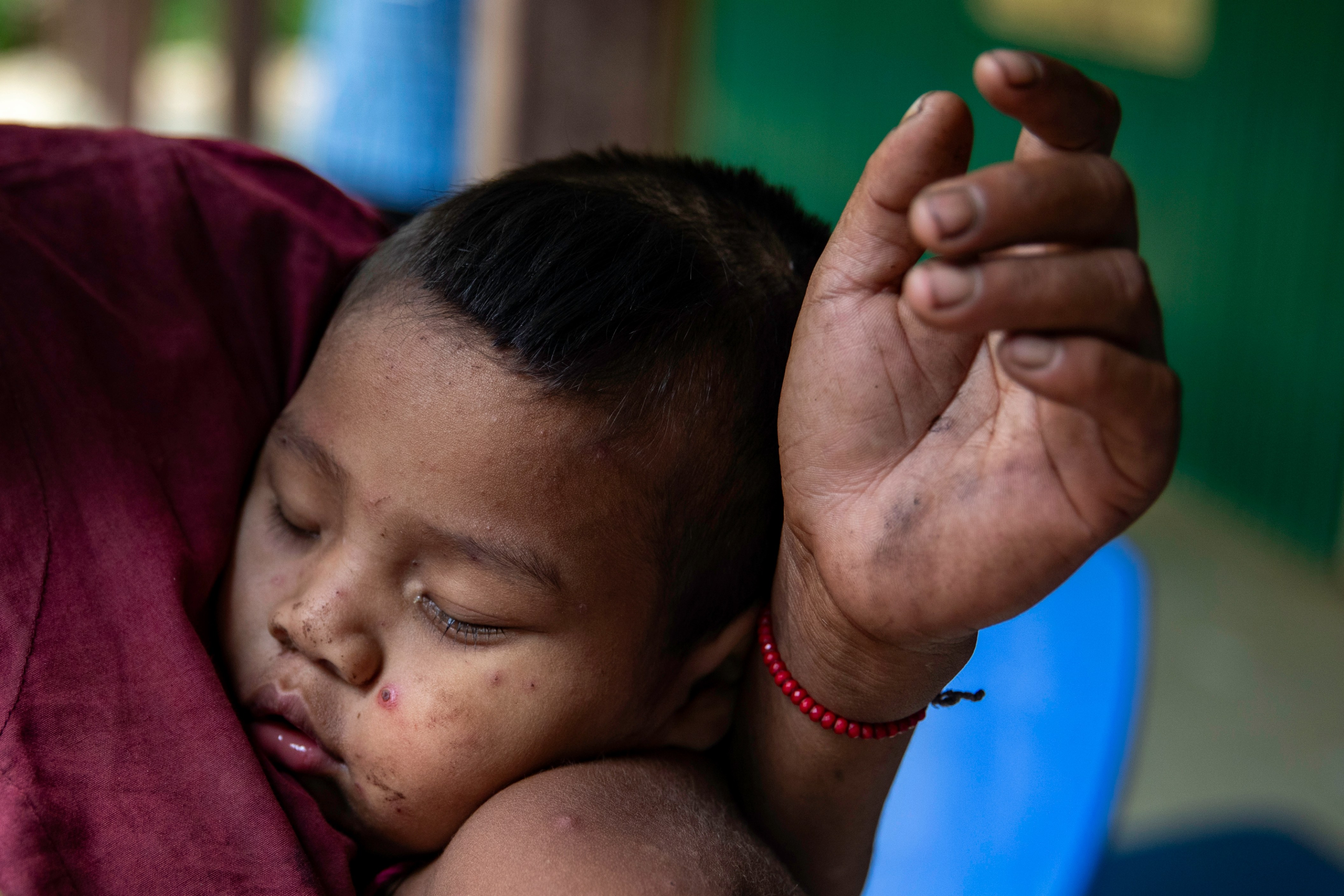
Then comes vaccination. Children are immunised against some of the most serious infectious diseases. However, many infections are still not preventable through vaccination. Vaccination is not an alternative to the primary conditions necessary for a healthy immune system; rather, it is a life-saving intervention that protects children against some notorious infections while their immunity is still developing. In cases of malnutrition, a vaccine's effectiveness may be impaired to some degree, but it still protects the child against severe disease.
Since 1979, Bangladesh has successfully implemented the EPI, which has played a crucial role in reducing child mortality. According to the 2023 EPI report, valid FVC (full vaccination coverage) among children aged 12 to 23 months reached 83.9% by 2019, but had declined to 81.6% by 2023. It was lower in urban areas (79%) than in rural areas (84.6%). A UNICEF press release reveals that children from low socioeconomic groups in urban areas are the most affected. The BCG vaccination rate—the first vaccine given at birth—is more than 98%, indicating that almost all children enter the EPI programme. However, there is substantial dropout before they complete the vaccination schedule at 15 months with MR2, the second dose of the measles-rubella vaccine. By then, children should have attended EPI centres five times. Why, then, are so many failing to return?
Therefore, it is not only the infection that must be addressed, but also the child, the family and the broader conditions that determine their health.
Another form of protection is herd immunity, which develops through mass immunisation or natural infection. When more than 95% of people are immune to a particular infection, they prevent its spread to the rest of the population. However, if herd immunity weakens, infections can re-emerge at any time. Herd immunity, therefore, has to be maintained through vaccination until the organism is eradicated.
Measles outbreak 2026
At the national level, the target was to achieve 95% FVC by 2023, with the aim of eliminating measles. According to government statistics, that target was still far from being achieved. Coverage for MR1 (the first dose of the measles-rubella vaccine, given at nine months of age) reached 86.1%, while MR2 coverage was 81.6% in 2023. The effects of COVID-19 lockdowns, migration, economic disruption and shortages of health workers may all have contributed; floods added further disruption later. In April 2020, MR1 coverage fell by 50%. Between January and May, 380,000 children dropped out of the vaccination programme, and once again, the principal victims were children from low socioeconomic groups in urban areas. In January 2021, a measles catch-up campaign was organised to restore progress in the EPI programme, although life had not yet stabilised after COVID-19. Another campaign was scheduled for 2024, but was postponed because of political unrest. Finally, a disastrous change in the decision regarding vaccine procurement disrupted an already weakened EPI programme, leading to an outbreak when herd immunity against measles had not yet reached a protective level in a population where many other risk factors for infection already existed.
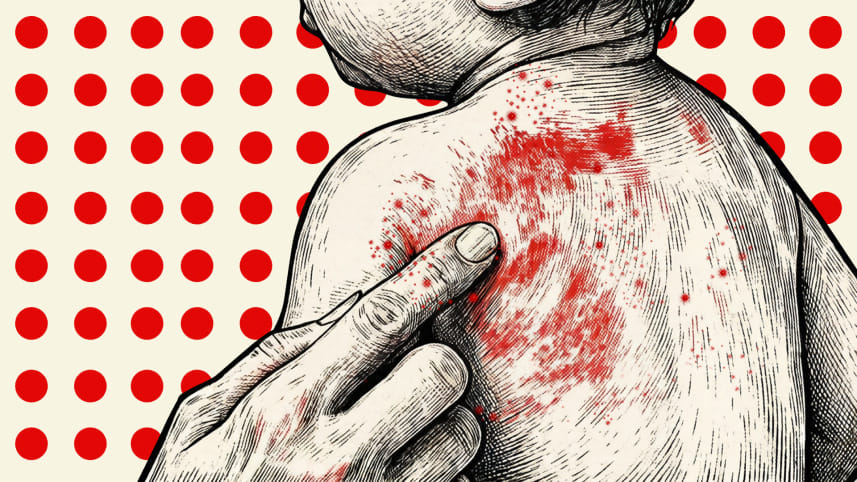
Measles has re-emerged in Bangladesh, threatening children's health, causing panic and grief among families, and placing an enormous burden on already overstretched hospitals. From March 2026 to 30 June, the number of suspected measles cases reached 101,077, while deaths associated with suspected measles rose to 6,258. Measles is a viral infection that is even more contagious than coronavirus, although most cases resolve within seven to ten days with supportive care. Infants and children with undernutrition are at much greater risk of life-threatening complications.
In the meantime, the government has completed its time-limited measles catch-up campaign for children aged six months to six years, describing it as highly successful. Yet, shortly after the campaign, hospitals continued to receive children who had missed it.
Shortages of EPI cards, tally books and register books have also been reported by EPI workers, along with vaccine shortages. The experiences of mothers matched the information obtained from EPI centres regarding the shortage of cards and the use of small paper slips as an alternative, which are lost in most cases. Private hospitals manage this paperwork on their own. Many working mothers send their newborn babies to relatives so that they can resume work within two months of delivery, only seeing their children two or three times a year. Some newcomers do not know where to have their children vaccinated. Birth registration was made mandatory for immunisation. During that time, many babies were turned away from EPI centres and never returned, while others experienced delays in vaccination. For many families, even spending two to three thousand taka could not guarantee the timely issuance of a birth registration certificate, despite it being a service that is supposed to be provided free of charge. These are small observations from an area just 25 kilometres from the capital that deserve closer examination.
While the measles outbreak is subsiding for now, dengue has already arrived, and there is still no vaccine available for routine prevention. Once again, paediatric and adult medicine wards will become overburdened with dengue patients. Designated dengue wards will quickly reach capacity, with cases exceeding the number of available beds. Children fortunate enough to secure a bed in a government hospital will receive more affordable treatment, often sharing the same bed with other children. Those who are less fortunate will place an even greater financial burden on their families. Once again, there will be pressure on paediatric intensive care units (PICUs), although only a small proportion of children require intensive care. What these children need most is close monitoring, which depends on adequate healthcare manpower. To cope with rising dengue cases alongside the routine patient load, healthcare workers, including doctors, may have to forgo their entitled leave and continue working without additional remuneration. Updated dengue guidelines will be issued, and doctors will continue to learn and train junior colleagues in the management and prevention of dengue. They will once again do what is required, just as they did during the measles outbreak. All these are essential measures in responding to an outbreak of an infectious disease.
Although the family is a child's primary caregiver, children are not the sole responsibility of their families. As the country's future workforce—or, in other words, its future human resources—and future contributors to the GDP, their health, well-being and development are also the responsibility of the state. Families should not have to struggle alone to raise their children, protect them from disease, or provide them with a minimum standard of living and adequate nutrition. Already burdened by uncertainty over their livelihoods, they should not be pushed further into hardship by out-of-pocket (OOP) healthcare expenditure, which in Bangladesh is more than three times the level recommended by the WHO (73% versus 20%). Therefore, it is not only the infection that must be addressed, but also the child, the family and the broader conditions that determine their health.
Dr Banani Chakraborty is a paediatrician.
Send your articles for Slow Reads to slowreads@thedailystar.net. Check out our submission guidelines for details.

Why Bangladesh’s new data protection law may fail to protect your data
Why tensions are rising between Rohingya and Bangladeshis
Is Bangladesh ready for the future of work?
Solar power should not become Bangladesh’s next expensive mistake

Building Islamic banking on Islamic values: The case for a Qard Hasan Bank
Why Bangladesh must start rehearsing for the next earthquake

Why fixing Dhaka's transport system is key to cooling the city
Why C-section births are on the rise in Bangladesh
How Dhaka can restore its natural cooling system