Why fixing Dhaka's transport system is key to cooling the city

Over the past two decades, Dhaka's summers have stretched longer and felt fiercer than the broader regional climate trend alone would suggest. Night-time temperatures have been rising by roughly 0.22°C per decade over the past 50 years. On an ordinary afternoon, the asphalt and concrete of central neighbourhoods are measurably hotter than the paddy fields and rivers just outside the city. This is the urban heat island effect, and it is something every rickshaw puller, garment worker and child waiting for a bus already feels on their skin.
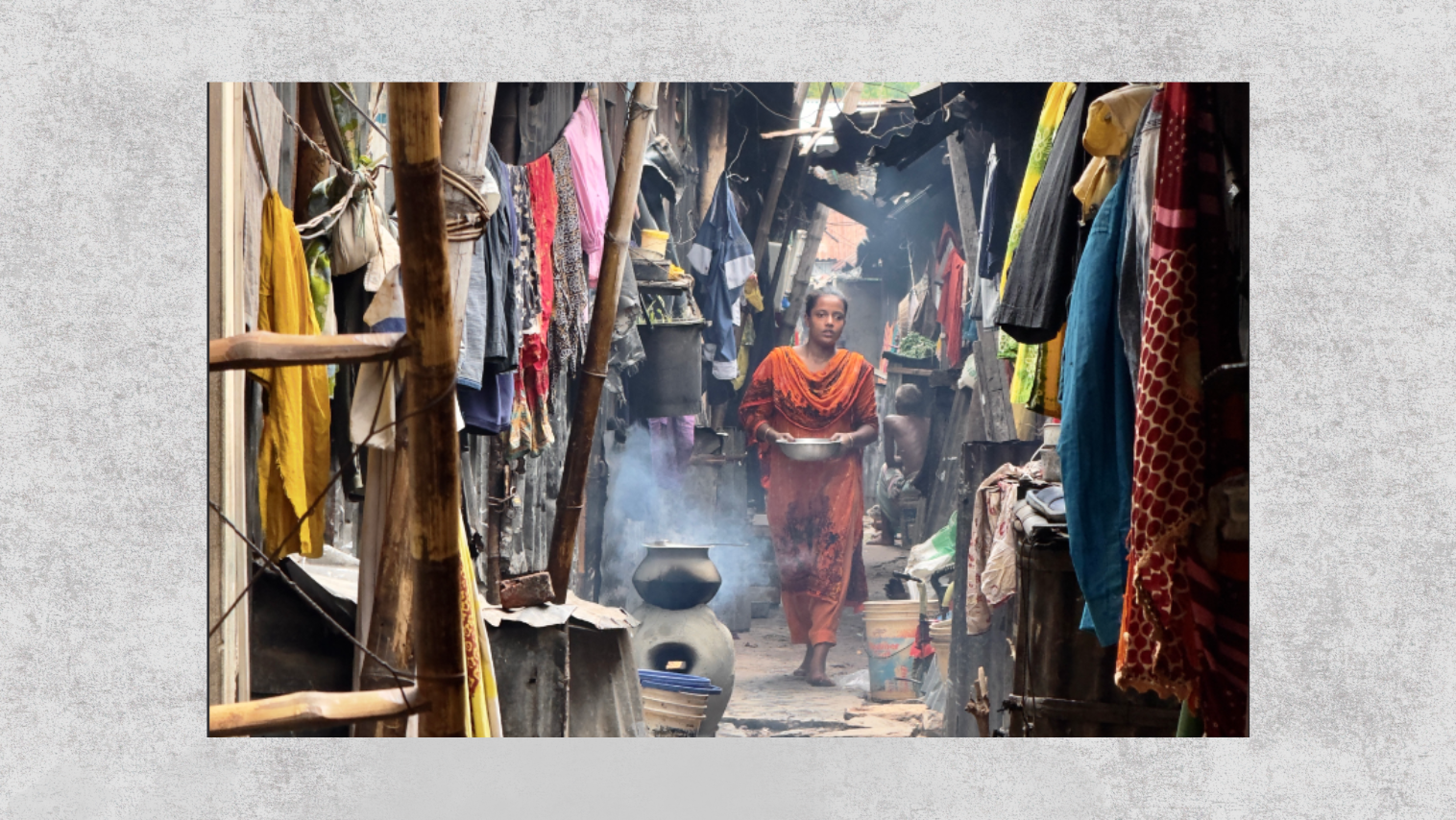
Dhaka's core can run as much as 3°C warmer than its rural surroundings during the day. In densely built, low-income areas such as Kamrangirchar, tin-roofed, with little vegetation or open water to offer relief, the gap widens to 10–12°C. Across a city of more than twenty million people, this is a public health and productivity emergency: heat stress already costs Dhaka's economy several percentage points of annual output, with informal workers, who make up most of the city's labour force, bearing the heaviest toll.
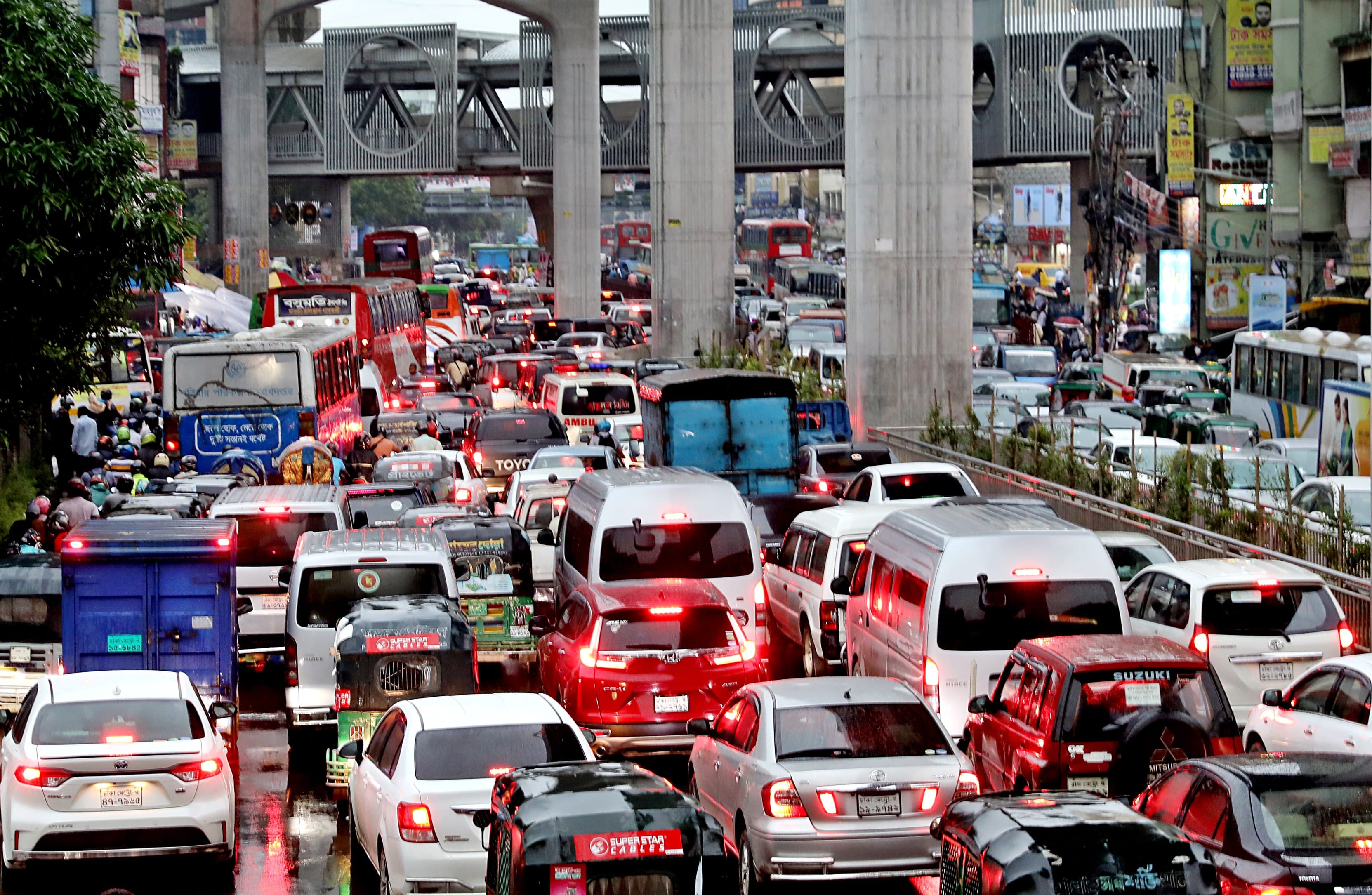
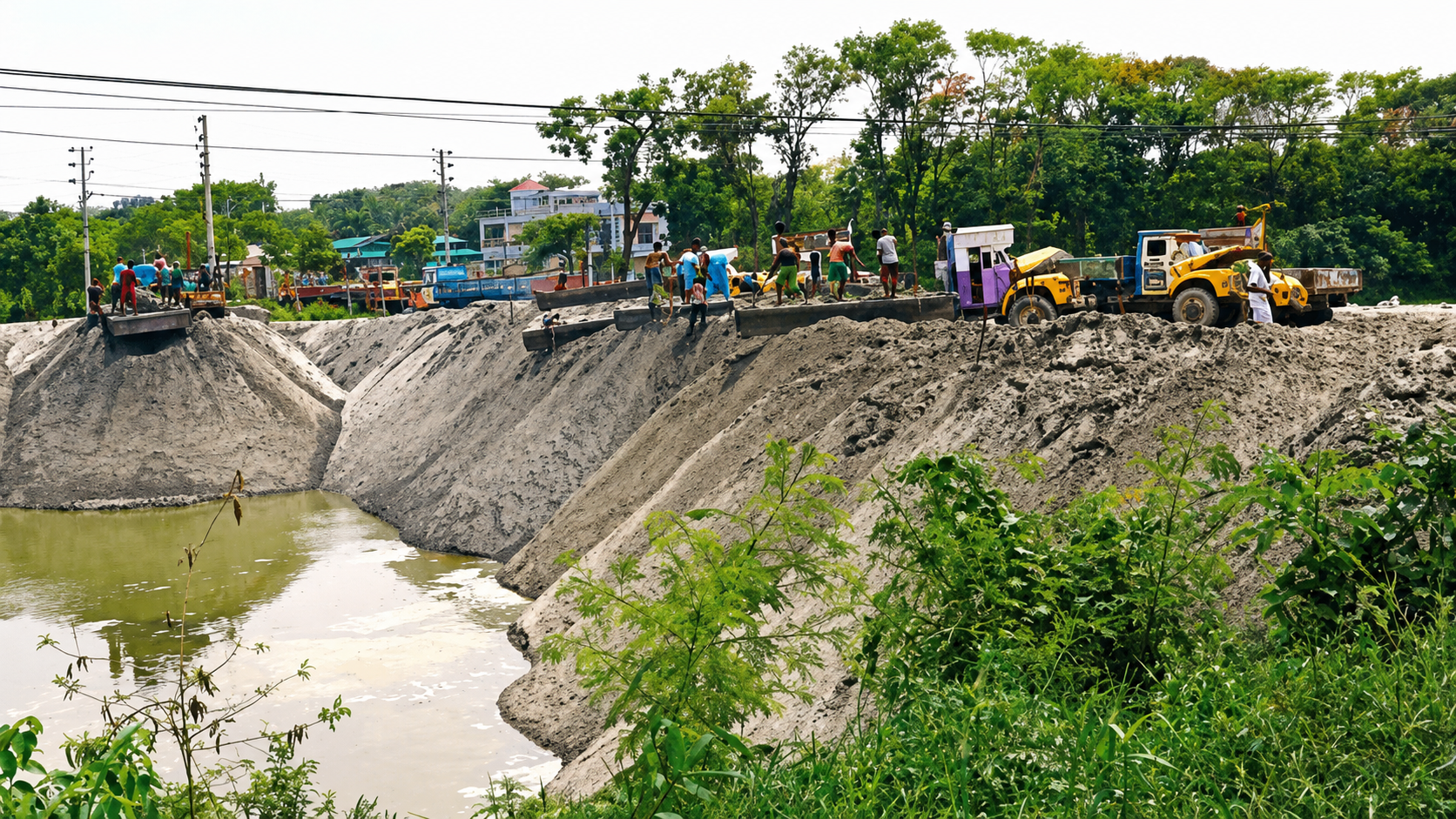
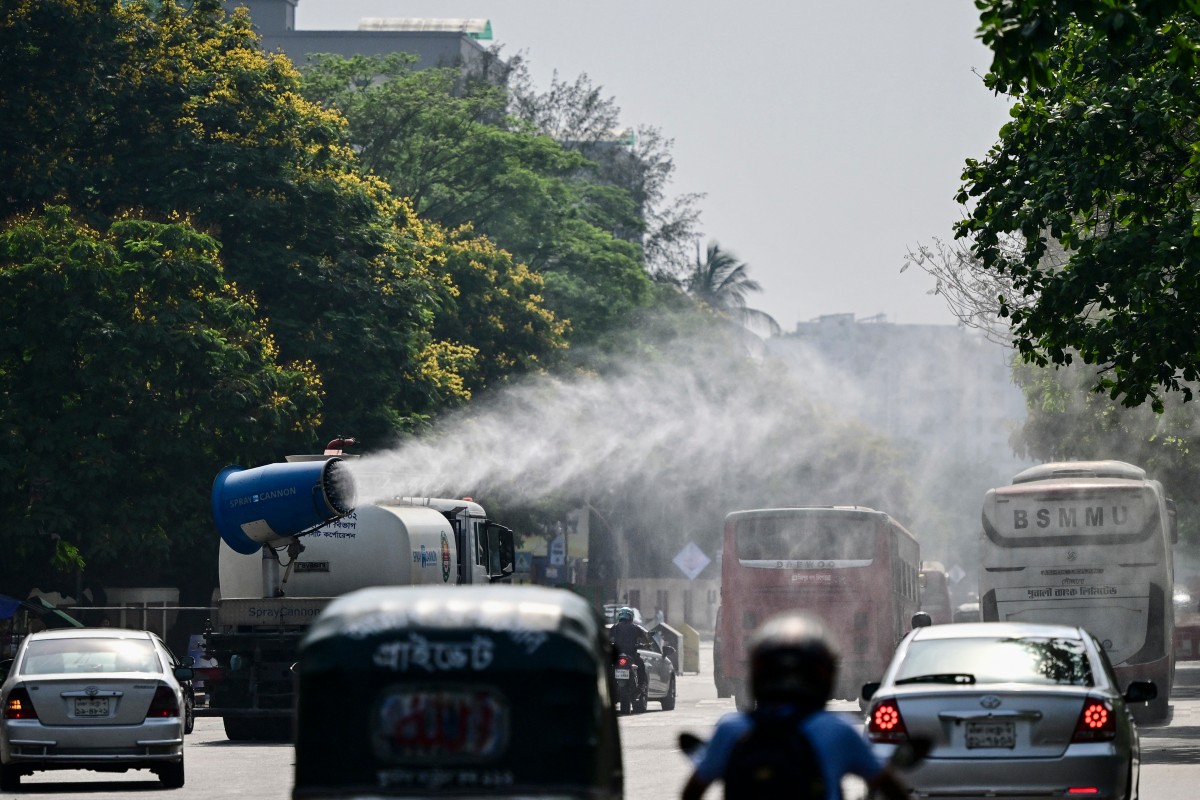
Transport contributes to this heat through three channels, and every solution only matters to the extent that it interrupts one of them. Engines release waste heat into the street as they burn fuel, on top of the tailpipe emissions; a stationary jam of idling buses is, quite literally, a cluster of small heaters. The roads, flyovers and parking lots a vehicle-heavy city must keep building are heat-absorbing surfaces that replace the tree cover and open water that would otherwise cool the air. And the carbon dioxide these vehicles emit adds to the regional warming trend, gradually raising Dhaka's baseline temperature. A genuine fix has to visibly cut into at least one of these channels.
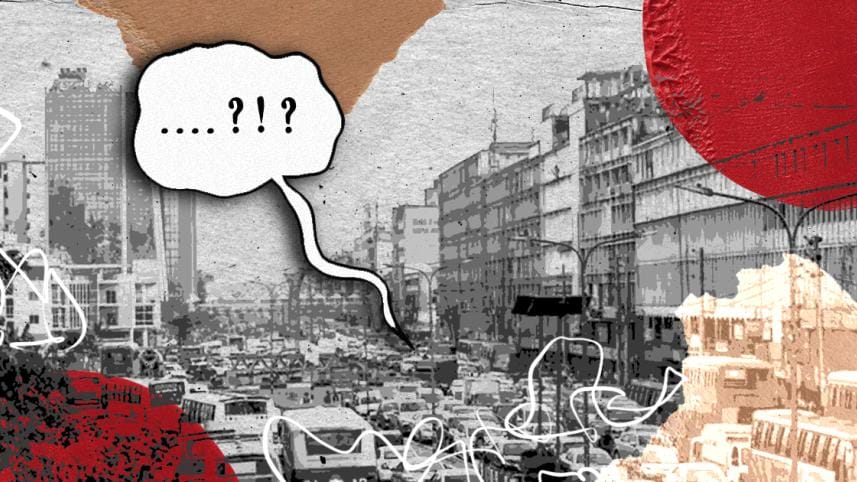
Road transport accounts for roughly 13–15% of Bangladesh's CO₂ emissions, with nearly 90% coming from on-road vehicles. In Dhaka, traffic is the largest single source of nitrogen oxide pollution, and local vehicles generate over half of the fine particulate matter in the city's air. A long-running BUET monitoring study of roadside pollutant levels consistently points to buses, trucks and three-wheelers running on poor-quality fuel as the heaviest contributors: not only a pollution statistic but a heat one too, since the same engines release waste heat onto the streets where residents spend hours every day.
Much of this is due to old vehicles, not new ones, polluting and overheating badly because nobody has taken them off the road. Close to a third of all registered buses in Dhaka have already exceeded their operational lifespan, according to the road transport authority's own data. An ageing diesel engine running below its designed efficiency burns considerably more fuel, and releases considerably more waste heat, to cover the same distance as a properly maintained one, so removing it directly shrinks the waste heat and exhaust released per passenger carried. Attempts to retire these vehicles through age-limit notifications have repeatedly stalled because owners are not offered serious financial alternatives. Fixing this needs a fitness regime with real enforcement, financing for owners to scrap and replace old buses, and a functioning scrappage and recycling industry, since condemned vehicles currently have nowhere to go.
Bus route rationalisation contributes to cooling through a different mechanism: fewer vehicle-hours spent idling. The "Dhaka Nagar Paribahan" franchise model, first piloted in 2021, was meant to replace Dhaka's roughly 9,000 buses, run by more than 2,000 owners racing each other across nearly 300 overlapping routes, with disciplined, company-operated fleets on rationalised corridors. Fewer buses competing means less of the stop-start crawl that wastes the most fuel for the least distance, exactly when a vehicle releases the most waste heat. The policy has been launched, stalled and scaled back more than once, largely because bus numbers and routes were never matched to actual demand before launch. An origin-destination survey conducted before implementation would have addressed that problem.
This is the urban heat island effect, and it is something every rickshaw puller, garment worker and child waiting for a bus already feels on their skin.
Electric buses are genuinely necessary, removing combustion heat altogether. A battery-electric motor produces a fraction of the waste heat of a diesel engine and emits no tailpipe heat at all. But the bus itself is only the visible half of the solution; the other half is the ecosystem that lets the fleet run, charge and last. Charging depots need to be built at terminals and overnight yards to ensure predictable recharging; a maintenance corps needs training for high-voltage systems; and a battery take-back arrangement needs to be signed with manufacturers from day one, so that degraded batteries are recovered rather than wasted. The fleet size still has to be set using the same demand survey proposed for the diesel fleet.
Shenzhen, which now runs the world's largest all-electric bus fleet, built this ecosystem step by step rather than buying buses first and improvising the rest, separating battery ownership from bus ownership early, installing depot charging before scaling up, and locking in recycling agreements as standard practice. That is the template Dhaka can follow.
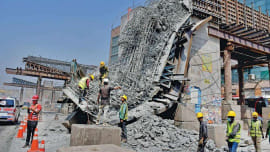
The metro is where the temperature argument gets complicated, and it is worth being honest about why. Under the Revised Strategic Transport Plan, six metro lines are planned as a single connected network, and this remains the basis for implementation. Yet a satellite-based study tracking land surface temperature along the elevated MRT Line 6 corridor between 2015 and 2023 found that temperatures along the route rose by 3–5.5°C, with extreme urban heat zones nearby expanding from roughly 29.5% to 33.8%. The reason is straightforward: building the elevated line meant clearing roadside trees and laying heat-absorbing concrete and steel, and a single line carries only a fraction of the city's trips. Most new riders shifted from existing buses and rickshaws rather than from private cars, so the line has not removed enough road vehicles to offset the heat its own structure generates, illustrating the case against treating one elevated line as a cooling solution. That should shift once the full six-line network opens and pulls more car and motorcycle owners off the road, but only if future corridors are designed with shading and greening, rather than repeating Line 6's bare-concrete approach.
Moreover, few capitals are as thoroughly ringed by navigable rivers as Dhaka: the Buriganga, Turag, Balu and Shitalakkhya. The city's Detailed Area Plan has proposed nearly 575 kilometres of waterways, and a separate circular waterway initiative, costing nearly three billion dollars, would restore navigation on these rivers and connect them to new ring roads. Seoul's demolition of an elevated highway to restore the Cheonggyecheon stream shows the payoff: the restored waterway cools its surroundings by 3–4°C compared with streets a few hundred metres away, while removing tens of thousands of vehicles a day.
Dhaka's rivers, cleared of industrial effluent and properly connected, could offer the same dual effect: fewer engines on the road and evaporative cooling along the waterfront. The trouble has always been execution: river transport has historically been planned separately from road planning, so jetties end up disconnected from bus routes, with no last-mile link into the city. Every landing station needs a proper entrance, walkway and feeder connection, planned jointly by the water authority, city corporations and bus planners, backed by sustained investment in upstream sewage and effluent control.
Singapore's experience offers a final, complementary lever. Once its rail and bus networks became credible alternatives, the city used a vehicle quota system and electronic road pricing to cap the overall number of private vehicles in circulation, rather than relying solely on cleaner engines. Fewer vehicles in circulation means less combined waste heat and less pressure to keep paving over green space for parking and roads. Bangladesh is not ready for such tools today, since Dhaka's public transport network is not yet a credible substitute for the car, but planning should keep this option open once the metro and bus networks mature.
Each of these measures interrupts a specific, identifiable channel through which Dhaka's transport system warms its own streets: retiring unfit vehicles cuts waste heat and exhaust per passenger; rationalising bus routes cuts idling time; electric buses remove combustion heat altogether once the supporting infrastructure exists; a completed, greened metro network shifts trips away from private vehicles without repeating Line 6's bare-concrete heat penalty; and a revived waterway removes vehicles from the road while cooling the air directly. As with the Bangabandhu Tunnel and its unfinished approach roads, half-built infrastructure delivers only a fraction of its promised benefit while costing the full price. Planned together rather than in sequence, these tools could make Dhaka not just a less congested capital, but a measurably cooler one.
Md Hadiuzzaman is a Professor in the Department of Civil Engineering at Bangladesh University of Engineering and Technology (BUET)
Send your articles for Slow Reads to slowreads@thedailystar.net. Check out our submission guidelines for details.
Why C-section births are on the rise in Bangladesh
How Dhaka can restore its natural cooling system

Why technological progress isn't making us freer

Will Bangladesh's social security budget help the poor?

Should political parties be publicly funded?

Can outcome-based education survive the age of AI?

Remembering Ishaque Ali / When Bengalis stood up to racism in the UK

Bangladesh's cottage industries need more than nostalgia

Can a social media ban for children work in Bangladesh?