


Dipu Chandra Das and a tragedy of outrage without truth


Dipu Chandra Das did not die because he insulted a religion. He died because accusation has become a more powerful weapon than truth, and because crowds in Bangladesh increasingly believe that outrage is evidence enough. He died because someone decided that verification was optional, that due process of law can be ignored. He was beaten, dragged, hung, burned and filmed. Not in the dark. Not in secrecy. But in public, under streetlights, beside a highway, before cameras and spectators.
This follows a familiar script we have seen play out frequently in recent times. What makes this death particularly unbearable is not only its brutality but its emptiness. Even the agencies tasked with enforcing law and order have admitted that there is no direct evidence that Dipu Chandra Das insulted religion at all, not that doing so justifies extrajudicial actions. No post. No recording. No witness who actually heard the alleged words. Everyone heard that someone heard something somewhere. That was enough.
 For all latest news, follow The Daily Star's Google News channel.
German American philosopher Hannah Arendt warned that when facts lose their authority, the space they leave behind is quickly occupied by violence. A mob does not require proof. It requires permission. Sometimes that permission comes from silence, sometimes from delay, and sometimes from the quiet decision to push a man outside a factory gate to save property while surrendering a life. Institutions may not strike the blow, but they often step aside to make room for it.
The most terrifying line in the official narrative, therefore, is not about the fire or fists. It is the sentence that says he was handed over to protect the factory. It reveals a hierarchy more disturbing than any slogan shouted that night. Order was maintained. Production survived. A worker did not.
This was not an eruption of uncontrollable madness. It unfolded over hours. Accusations circulated. Groups formed. Calls were made late. By the time law enforcement arrived, the ritual had concluded. And yet, even as Dipu's body burned, the next tragedy for the nation was already in the making. A young political leader and organiser, Sharif Osman Hadi, shot in broad daylight of December 12, was declared dead on that same day—December 18—by the doctors in Singapore. The aftermath? Vested groups exploiting it to attack the offices of Prothom Alo and The Daily Star at night and vandalise cultural institutions.
What's worth noting is each such incident of mob violence often arrives with a press statement from the government promising justice, and departs with an investigation that soon fades into abstraction. The pattern is so consistent that it now feels almost administrative. Besides, there is a peculiar irony in how quickly the word "conspiracy" is deployed in public discourse. Everything is planned, we are told. Everything is destabilisation. Everything is someone else's design. But what if the most effective "conspiracy" requires no mastermind at all? What if it is sustained by predictable delays, familiar denials, and the collective comfort of never holding the system itself accountable? When people do not trust institutions to deliver the justice they want, they outsource judgment to the street, even if the verdict is flawed. When law becomes slow, spectacle becomes swift. The mob promises instant resolution, even if that resolution arrives soaked in blood.
There is something grotesquely modern about this violence. It is not only physical but performative. Phones are raised as fists fall. The burning body becomes content. The horror is shared, commented on, argued over, monetised by attention. American writer Susan Sontag warned that repeated exposure to images of suffering risks turning pain into consumption. We are now consuming our own collapse.
The state responds with numbers. Arrests counted. Law enforcement operations named. Weapon licenses facilitated. Police training programmes announced. The language is managerial, as if violence were a logistical glitch rather than a moral failure. We are told that thousands have been arrested. We are told that security is being strengthened. Yet, crime statistics rise, as does people's sense of fear and uncertainty.
Perhaps the problem is not absence of force but absence of foresight. Preventive intelligence is discussed after each catastrophe like an afterthought we keep forgetting to remember. Former police officials now speak openly about preventive detention, a tool that sounds alarming in theory but strangely comforting in a society where prevention has become an endangered concept. But even prevention cannot succeed if it is applied selectively or theatrically. Law enforcement cannot appear only when cameras are present and vanish when crowds gather.
A society is judged not by how loudly it condemns such violence but by how rarely it allows it to happen. Bangladesh today condemns well. It investigates verbosely. It mourns briefly. Then it moves on, leaving behind families who must learn to live with the knowledge that truth arrived too late to save a life.
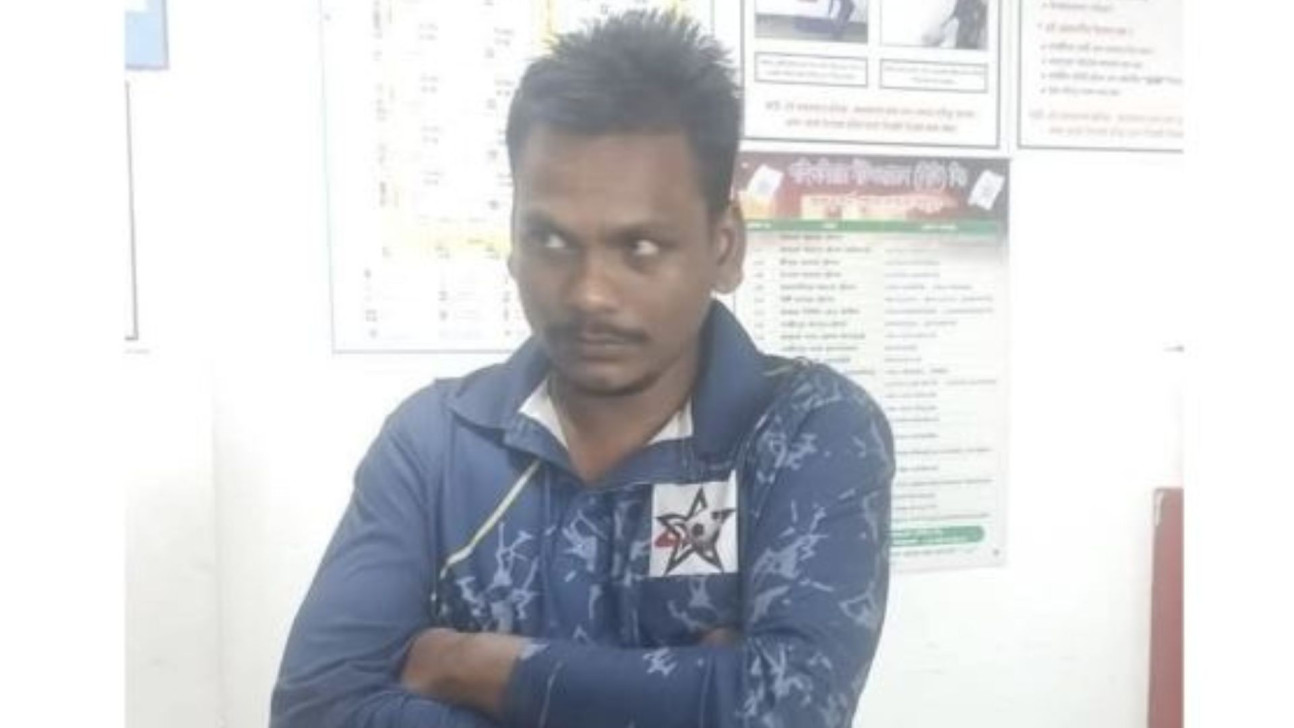
Dipu Chandra Das had a daughter who will grow up knowing her father through news reports and viral videos. That is the inheritance we are offering the next generation. Not safety. Not surety of justice. We must reverse this course. We must understand that if the upcoming elections are a national priority, so is preserving the sanctity of life. If religion is sacred, so is restraint in a democratic society. And if the state claims authority, it must reclaim its credibility through sufficient presence, speed, and moral clarity.
Otherwise, we should stop pretending that these are isolated failures. Rather we should accept the truth that a society that continuously allows outrage to replace evidence will keep producing graves long before it produces justice.
H. M. Nazmul Alam is an academic, journalist, and political analyst. Currently, he teaches at International University of Business Agriculture and Technology (IUBAT), and can be reached at nazmulalam.rijohn@gmail.com.
Views expressed in this article are the author's own.
Follow The Daily Star Opinion on Facebook for the latest opinions, commentaries, and analyses by experts and professionals. To contribute your article or letter to The Daily Star Opinion, see our guidelines for submission.
Comments