


Cyber laws should shield women, not stifle speech


From November 25 to December 10 each year, the United Nations urges governments to go beyond slogans and tackle violence against women. This year, the UN's UNiTE campaign has shifted focus to a newer frontline: the internet.
Under the theme "UNiTE to End Digital Violence against All Women and Girls", UN Women warns that technology has become a major vehicle for stalking, threats and humiliation aimed at women and girls, and that many still live without specific legal protection from such abuse. Bangladesh is not outside this picture.
 For all latest news, follow The Daily Star's Google News channel.
 Over the last decade, the country has assembled a patchwork of laws addressing gender-based and digital violence. The Domestic Violence (Prevention and Protection) Act, 2010, was rightly hailed as a landmark, defining domestic violence to include physical, psychological, sexual and economic abuse. The Pornography Control Act, 2012, Bangladesh's first dedicated law on pornography, offers remedies when intimate images are recorded or shared to shame or extort women.
Yet studies by Bangladeshi researchers and women's rights groups show that implementation remains weak: abuse is still treated as a family matter, frontline officials lack training, and public awareness is low.
The most contested layer has been cybercrime legislation. Section 57 of the old ICT Act became notorious for a vague description of offences and sweeping powers. It was followed in 2018 by the Digital Security Act (DSA), which rights groups described as even more repressive. They documented how its broad clauses were used to arrest journalists, activists and social media users for online speech.
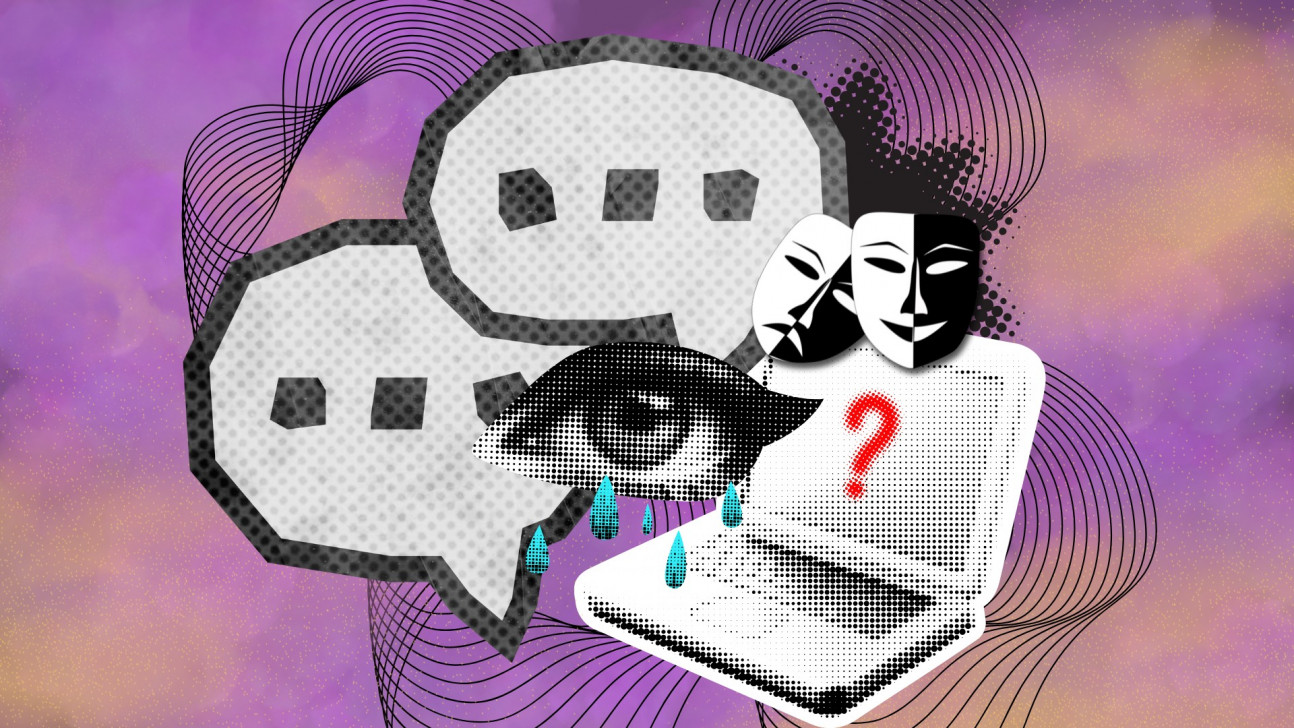
Under pressure, the then government later announced the DSA would be scrapped and replaced by the Cyber Security Act (CSA). But reviews found the CSA retained almost all the DSAs' provisions, effectively repackaging the same restrictions.
The interim government has since revoked the CSA and introduced a Cyber Security Ordinance, while signalling plans to recognise internet access as a civil right and to review the most controversial clauses.
The change in tone is welcome. The wider lesson is that cyber laws, for years, have been justified in the name of safety while being enforced in ways that undermine freedom of expression.
For women and girls facing digital violence, this history of cyber laws in Bangladesh is of importance. A woman who has watched critics being wrongfully jailed for civic debate under cyber laws may not feel confident about getting justice under the same law being misused widely. When protection becomes a language for surveillance and censorship, trust in state institutions erodes.
The UNiTE campaign presents Bangladesh with an opportunity to chart a different course. It aims to address the growing issue of digital violence, including online abuse, harassment, and control, and the need to create safer and more inclusive online spaces.
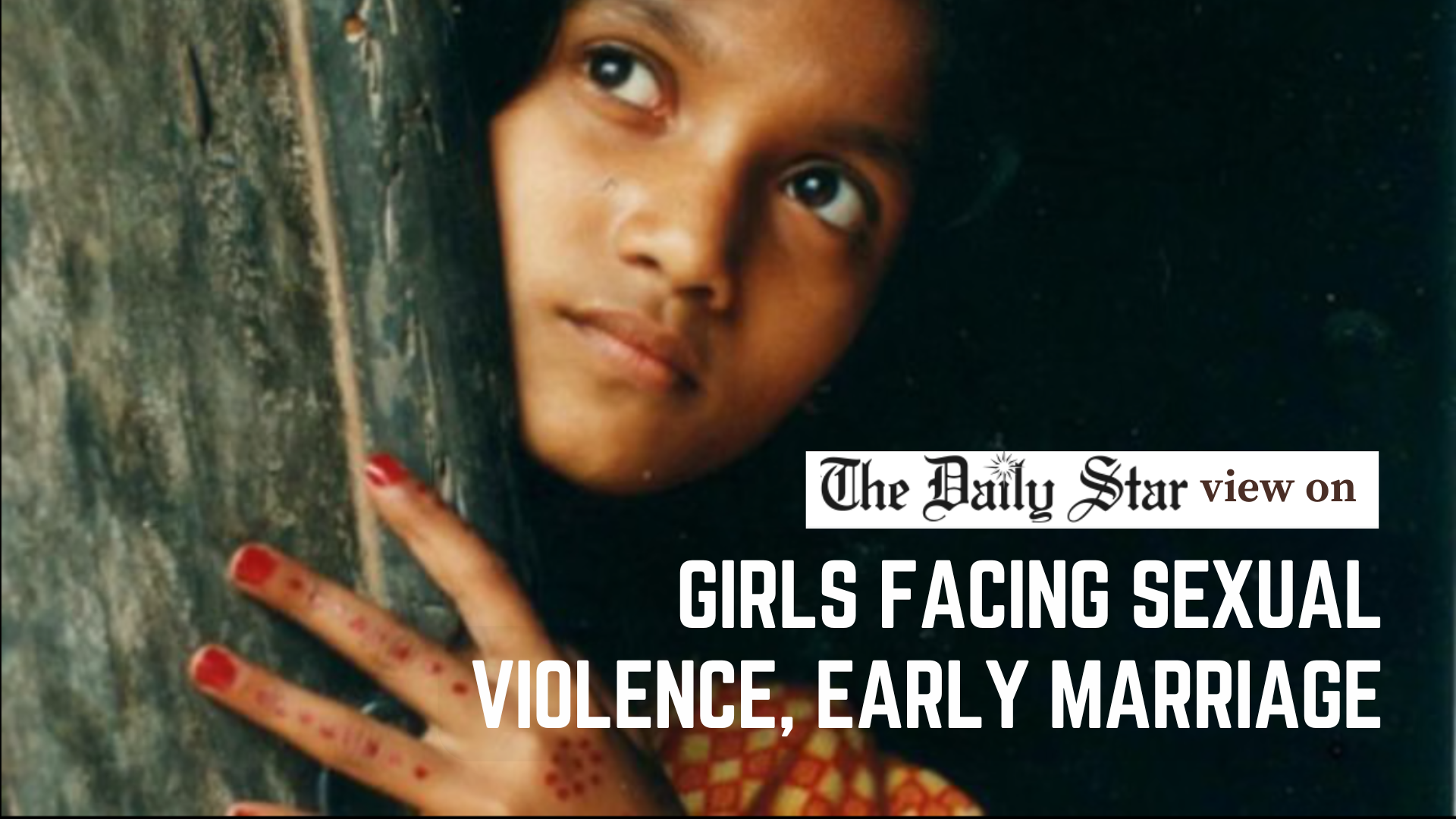
The goal, according to the UN, is to urge governments, tech companies, and communities to take action to end digital violence and promote gender equality in digital spaces.
A rights-respecting digital future for women and girls will not emerge from just renaming laws. Technology-facilitated gender-based violence (TFGBV) needs to be clearly defined in law.
UN Women and other experts use the term TFGBV to cover cyberstalking, image-based abuse, non-consensual sharing of intimate content, AI-generated deepfakes and other forms of online harassment with real offline consequences.
The UK has criminalised the non-consensual sharing of intimate images since 2015, and courts have jailed offenders for revenge porn, sextortion and threats to share intimate photos. In 2023, the Online Safety Act expanded this to cover deepfakes, too. Australian courts have also sentenced offenders for filming women without consent, sharing intimate content and threatening to distribute nudes, handing down both prison terms and heavy fines. South Korea treats digital sex crimes as serious offences, with specialised cyber units and courts that regularly issue strict prison sentences.
These countries can act decisively because their definitions of offences are crystal clear.
Bangladesh's statutes should acknowledge and define violence and its provisions explicitly. Non-consensual sharing of intimate images has often been prosecuted under sections of the Cyber Security Act or the Pornography Control Act, even though neither explicitly names image-based abuse as a distinct crime. Deepfakes and AI-generated sexual content are not explicitly mentioned in any statute. Cases get forced through general clauses on defamation, obscene material or unauthorised data modification, none of which capture the actual harm. These are just two examples.
Also, protection must mean more than prison sentences. Survivors need safe ways to seek help: clear reporting channels, easy-to-use complaint mechanisms, police and prosecutors trained in handling digital evidence and avoiding victim-blaming, and time-bound processes for taking down abusive content. Without investment in awareness, training and monitoring, progressive laws remain on paper.
Any future cyber law must be grounded in international human rights standards. That means narrowing offences, strong safeguards against arbitrary arrest and surveillance, and the decriminalisation of defamation and other non-violent speech.
Criminal penalties should be reserved for serious offences such as credible threats, extortion, child sexual abuse and persistent stalking.
As the 16 Days of Activism is underway, the question for Bangladesh is not whether digital violence exists. Women and girls, public figures and private citizens, have been living with its consequences for years.
The real question is what kind of virtual space this country chooses to build. A digital future envisioned by the UNiTE campaign would be one in which a teenager can report a faked image without fear, a woman can challenge harassment without risking arrest, and critics can say what is needed to without a law hanging over their head.
Naziba Basher is a journalist at The Daily Star.
Views expressed in this article are the author's own.
Follow The Daily Star Opinion on Facebook for the latest opinions, commentaries, and analyses by experts and professionals. To contribute your article or letter to The Daily Star Opinion, see our guidelines for submission.
Comments