


We can’t afford silence in the face of growing mob violence
To govern in a crisis is to act decisively. But on Thursday night and early Friday, as mob violence struck the country's two leading newspapers, the interim administration initially chose something else entirely: a terrifying, paralysis-inducing silence. Vandalism and arson attacks on the offices of The Daily Star and Prothom Alo were not merely acts of destruction. They were orchestrated assaults on the intellectual infrastructure of Bangladesh. As attackers laid siege to the newsrooms, trapping terrified employees inside while fire service vehicles were forcibly held back, the state machinery stood down. Law enforcement agencies were largely spectators; the administration remained mute. For a government that rose from the ashes of an uprising promising a restoration of democratic values, this abdication of duty is morally repugnant.
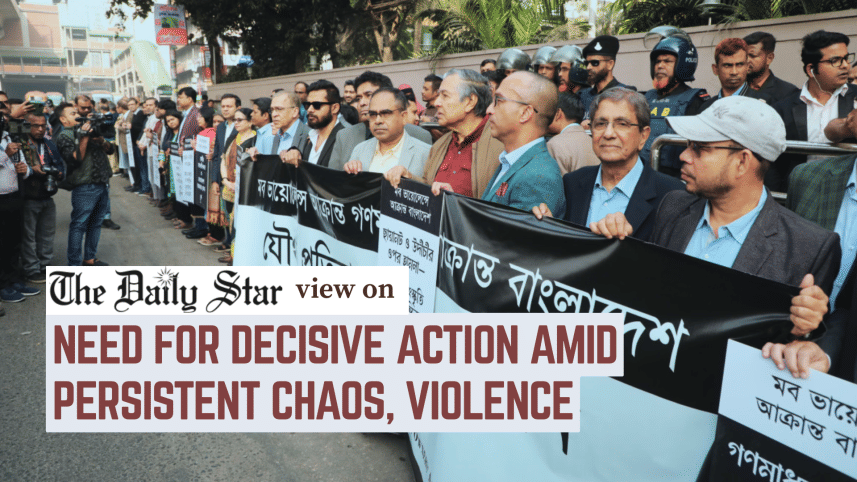
The details, as recounted and analysed by journalists, civil society leaders, and politicians in a protest meeting on Monday, are chilling. When The Daily Star was attacked, pleas for help dissolved into smoke. As one editor put it, the struggle has morphed from a fight for freedom of expression into a primal fight for the right to live.
 For all latest news, follow The Daily Star's Google News channel.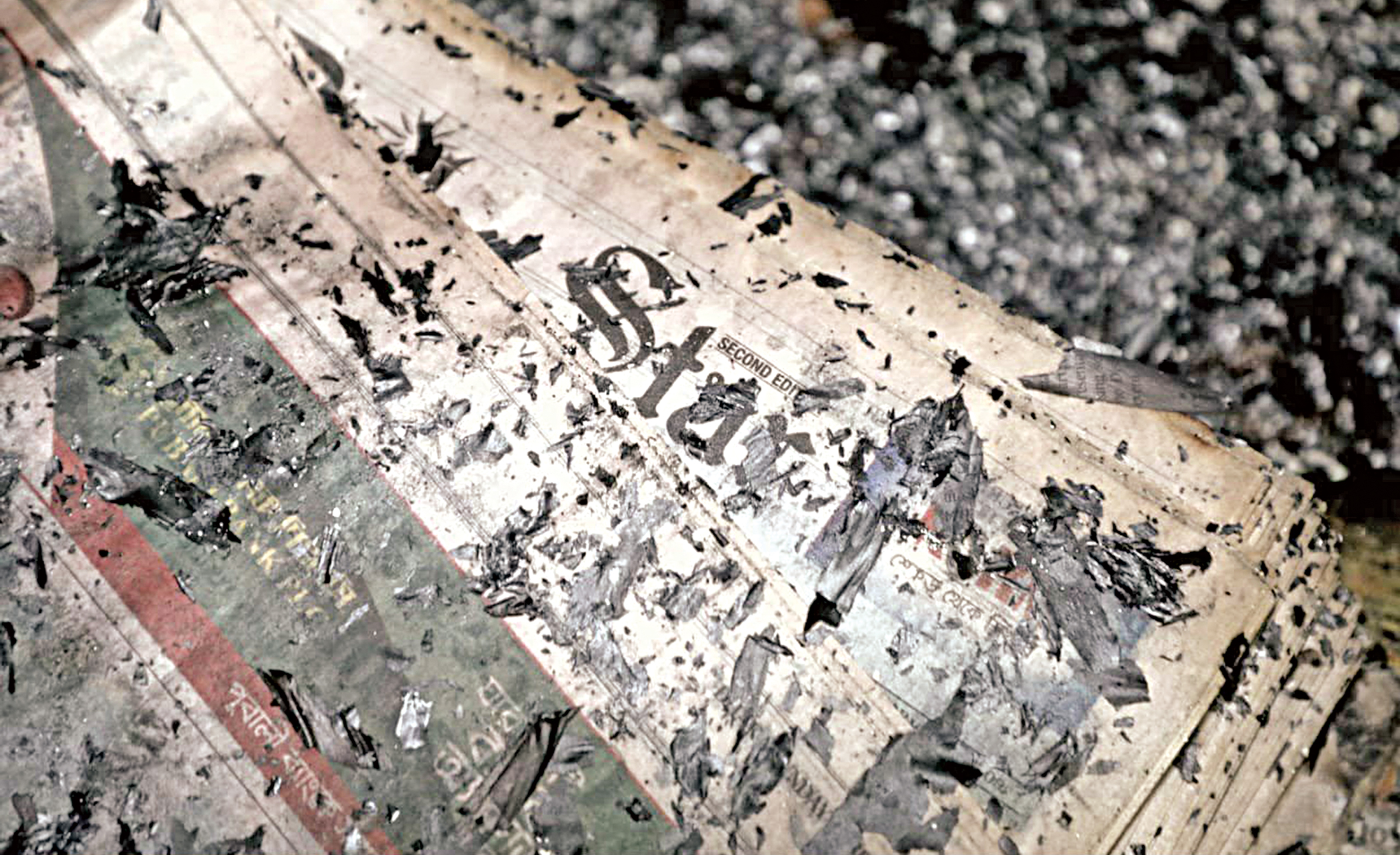
This lawlessness is symptomatic of a broader malaise. Since the fall of the previous regime, a dangerous form of "mobocracy" has rushed in to fill the power vacuum. Groups inciting chaos under the banner of "justice"—often co-opting the slogans of the very student movement that brought this government to power—are operating with impunity. They have also targeted cultural institutions such as Chhayanaut, seeking to dismantle our pluralistic identity. When the state fails to contain violence, it invites anarchy. By refusing to restrain these actors, the interim government is signalling that the streets belong to violent groups.
The government's defenders may argue that the transition is messy, or that the police force is still demoralised. Such explanations are not acceptable in the face of a serious crisis. As one economist has observed, an unelected interim government relies entirely on moral legitimacy to rule. That capital is finite—and it has been burned away by indecision.

The dangers of this inaction are existential. If the press is silenced by arson, democracy itself is severely compromised. The executive director of Transparency International Bangladesh has rightly identified this moment as the entry of "mob rule" into the state structure. A government that tacitly relies on—or is afraid to confront—street violence is not merely weak; it is dysfunctional. With a national election less than two months away, the interim government must now assert the rule of law. It must identify and punish the perpetrators, regardless of whose political slogans they chant, and secure the institutions that make a republic function. Above all, it must end its "mysterious silence," as political leaders have described it.
The 2024 uprising was meant to establish rights, not replace authoritative tyranny with the tyranny of the mob. Leaders across business, law, politics and journalism have drawn a line in the sand and are calling for united resistance. If the government continues to watch from the sidelines while the country's institutions burn or hurt, it will have abandoned its duty entirely, leaving lawlessness to define the nation's future.
Comments