


An alarming uptick in brutal crimes
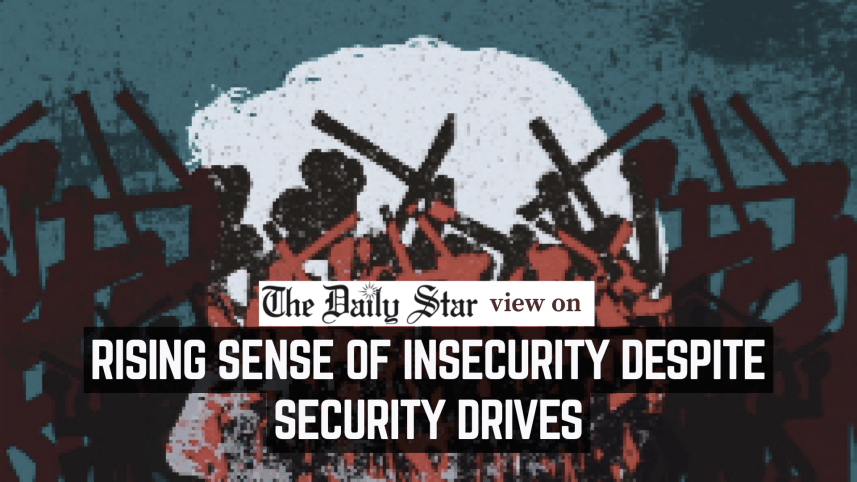
With only a few weeks left before the national elections, one of the most decisive factors potentially affecting voter turnout is people's sense of security. A spate of brutal killings in recent months has understandably heightened fear and uncertainty. Human rights defenders have expressed alarm over the sharp rise in violent crime and the government's failure to rein it in, questioning the state's capacity to ensure a credible electoral environment.
 For all latest news, follow The Daily Star's Google News channel.
On December 31, businessman Khokon Chandra Das was hacked and set on fire by armed assailants in Shariatpur. On January 3, Alamgir Hossain, a BNP leader, was shot dead by miscreants in Jashore town. On January 5, Rana Pratap Bairagi, the owner of an ice factory, was shot dead in a village in Jashore, while Moni Chakraborty, a grocery shop owner, was hacked to death in Narsingdi the same day. A former Jubo Dal leader, Jane Alam Sikder, was also shot dead in Chattogram's Raozan upazila that night. On January 6, Md Shahabuddin, a trader, was hacked to death in Dhaka's Kadamtali area. Overall, at least eight were reportedly killed in the first six days of January.
These murders mark a grim start to the New Year. Even more troubling is the relative ineffectiveness—and in some cases, reluctance—of law enforcement agencies to act decisively against miscreants. Data on the overall law and order situation also compound this concern. According to a Samakal report, 1,333 firearms belonging to the police and 27 belonging to prison authorities, stolen during the 2024 uprising, remain missing to this day. Of the hundreds of convicts who had escaped at the time, 710 are still at large, including individuals accused of heinous crimes such as murder. Meanwhile, the much-publicised "Operation Devil Hunt," under which around 27,229 individuals were arrested in two phases, has failed to reduce crime.
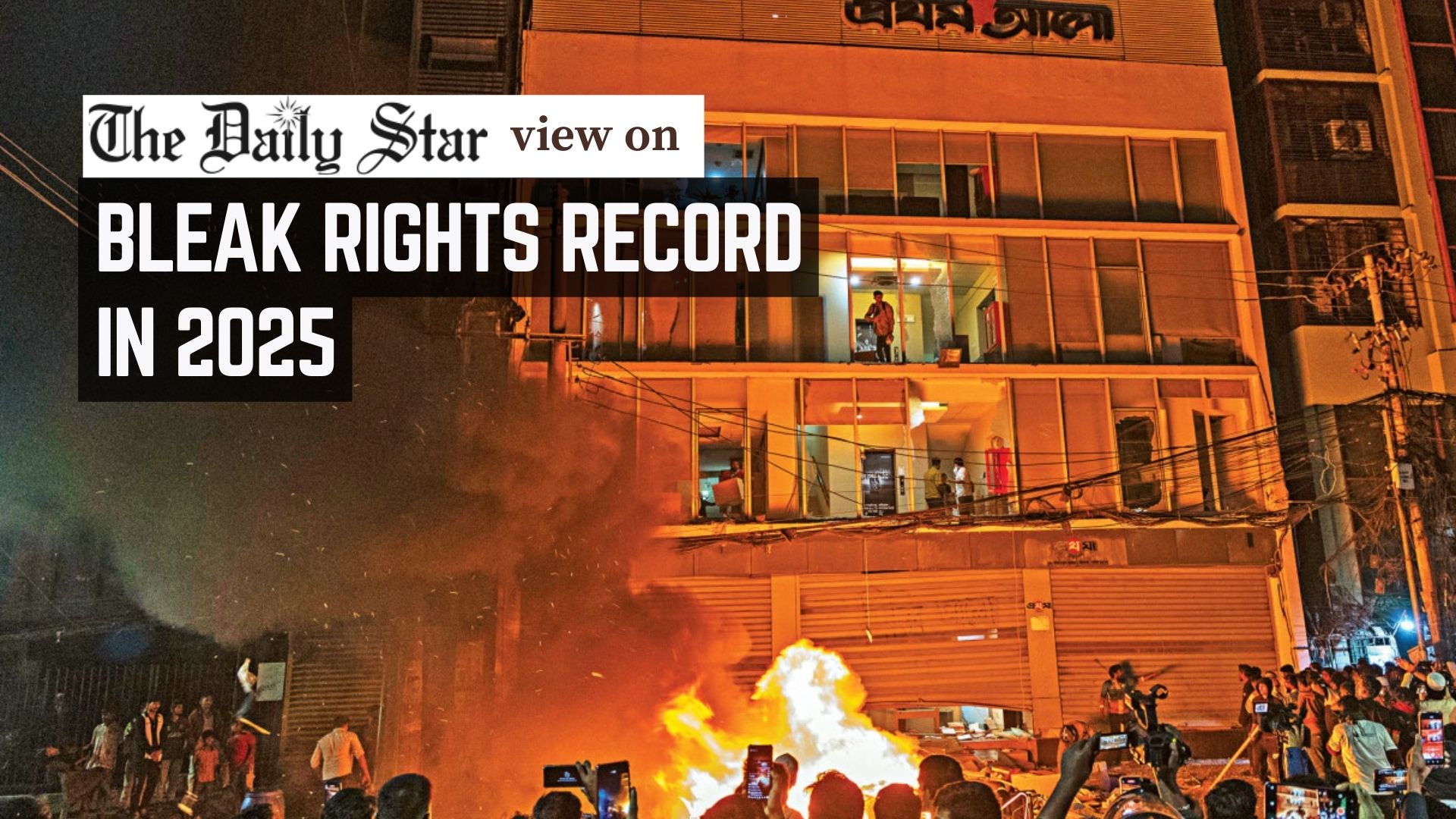
The same Samakal report, citing police sources, records that 197 people were killed by mobs in 2025, alongside 102 political murders. One could easily assume that a major enabler of the murders is the circulation of arms. These realities have cast a dark shadow over the February 12 election. Against this backdrop, the government's foremost responsibility must be to take proper measures to curb crime. This requires ensuring a non-partisan and effective role for security forces. Their drives must target actual criminals, and not involve indiscriminate crackdowns on individuals without reasonable suspicion. Investigations into the recent murders must be rigorous, and perpetrators brought to justice regardless of their ties to powerful groups.
There must also be renewed urgency in recovering the missing and illegally circulating arms. As the chief election commissioner has urged, law enforcement agencies must remain especially vigilant in protecting minority communities, who are often targeted during election periods. While ensuring security is primarily the state's duty, political parties must also act responsibly. All parties should ensure that their activists and workers refrain from violence and criminal behaviour. Their professed commitment to the spirit of July uprising and to democracy will be measured by their ability to avoid the toxic rivalries that have so often descended into violence.
Comments