


Curtains rise on DIFF

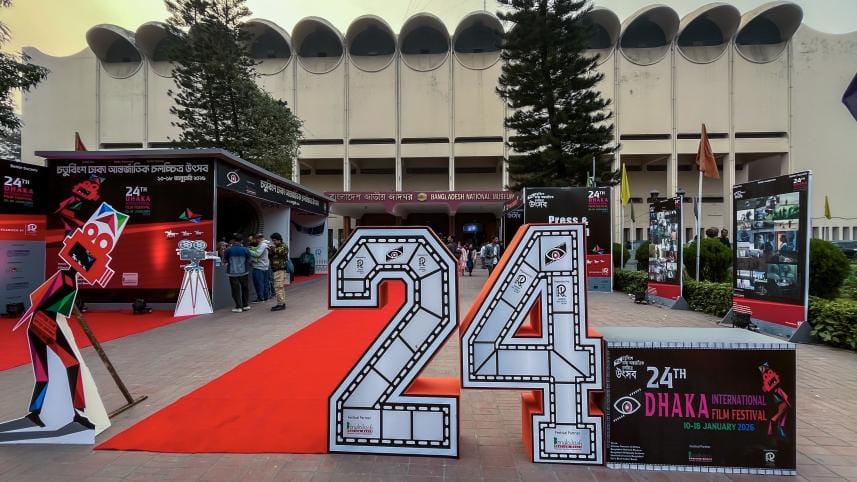
The 24th Dhaka International Film Festival (DIFF) officially began today at the main auditorium of the Bangladesh National Museum, marking the start of a ten-day celebration of world cinema under the theme “Nandanik Chalachitra, Mononshil Darshok, Alokito Shomaj” (Aesthetic Films, Discerning Audience, Enlightened Society).
 For all latest news, follow The Daily Star's Google News channel.
 The opening ceremony brought together filmmakers, diplomats, artistes, and cinephiles, turning the venue into a vibrant hub of cultural exchange. Syeda Rizwana Hasan, Adviser for Environment, Forest and Climate Change, Water Resources, and Information and Broadcasting, attended the event as the chief guest. Croatian filmmaker Aleksandra Marković and Li Xiaopeng, Cultural Counselor at the Chinese Embassy in Bangladesh, were among the distinguished international guests. Jalal Ahmed, Executive Member of the Festival Committee, presided over the ceremony.
Speaking at the event, Syeda Rizwana Hasan highlighted the importance of cinema as a space for social interaction in an increasingly demanding life. “Life has become so tough that we hardly find time for social interaction. If I receive the festival schedule, I will definitely try to attend at least one or two screenings,” she said.
She also stressed the need for environmental responsibility, particularly in relation to the festival’s special open-air screenings at Cox’s Bazar. Emphasising that Laboni Beach is an ecologically fragile area, she urged organisers and audiences to avoid excessive lighting and refrain from using single-use plastic.
The adviser further encouraged filmmakers and organisers to prioritise environmental themes. “I urge the organisers to include more films on the environment in the future, similar to South Korea’s week-long environmental film festivals. An international gathering like this should draw wider attention to environmental issues,” she said.
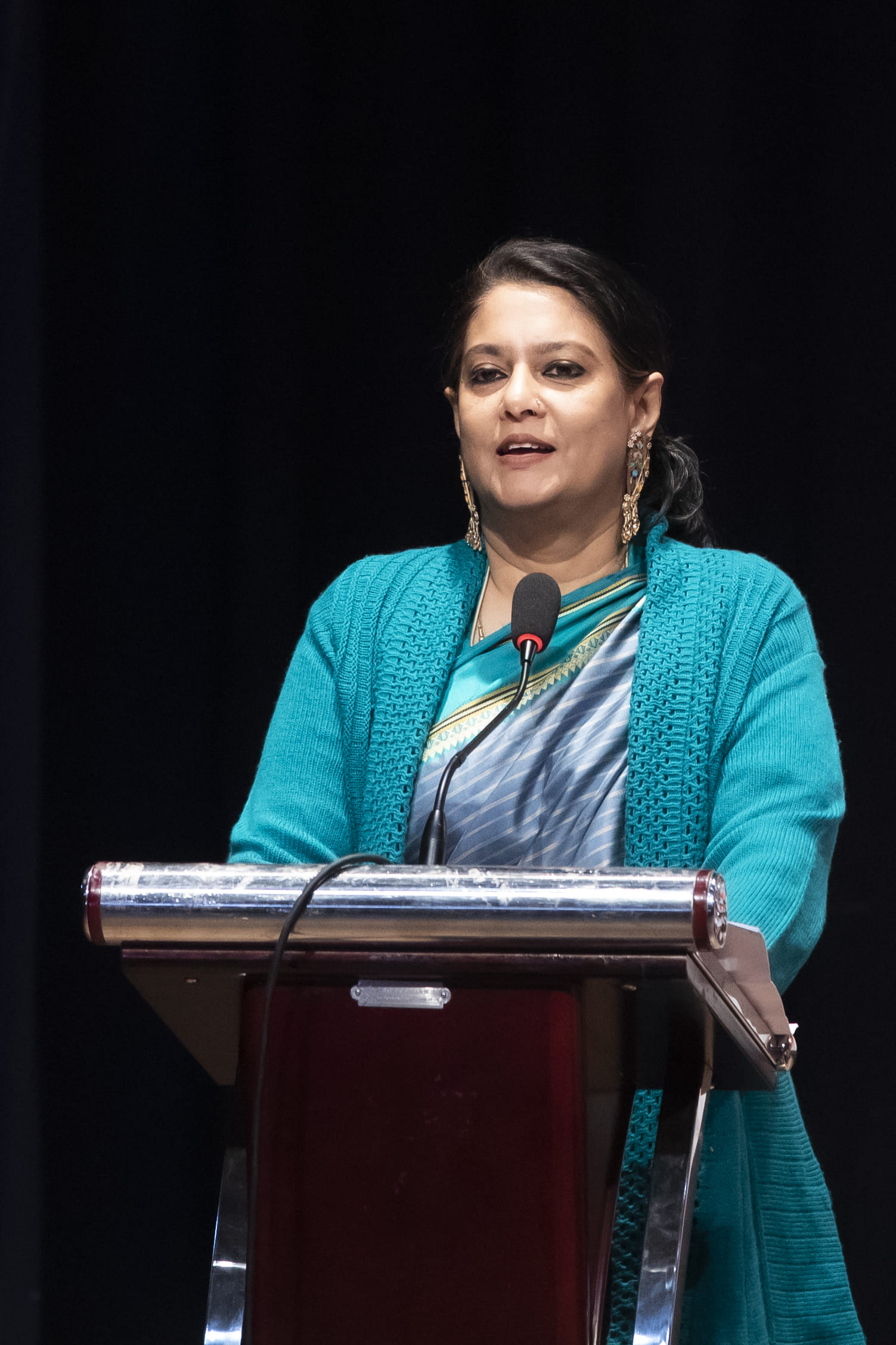
Raising broader policy concerns, Syeda Rizwana Hasan suggested revisiting the role of the Ministry of Cultural Affairs in promoting the festival. “Films should ideally be handled by the Ministry of Cultural Affairs, as it has the audience reach, network, and influence. From next year, I hope this important platform can be taken beyond Dhaka to all divisional headquarters so people across the country do not have to travel to the capital,” she added, offering her support in addressing any permission-related challenges.
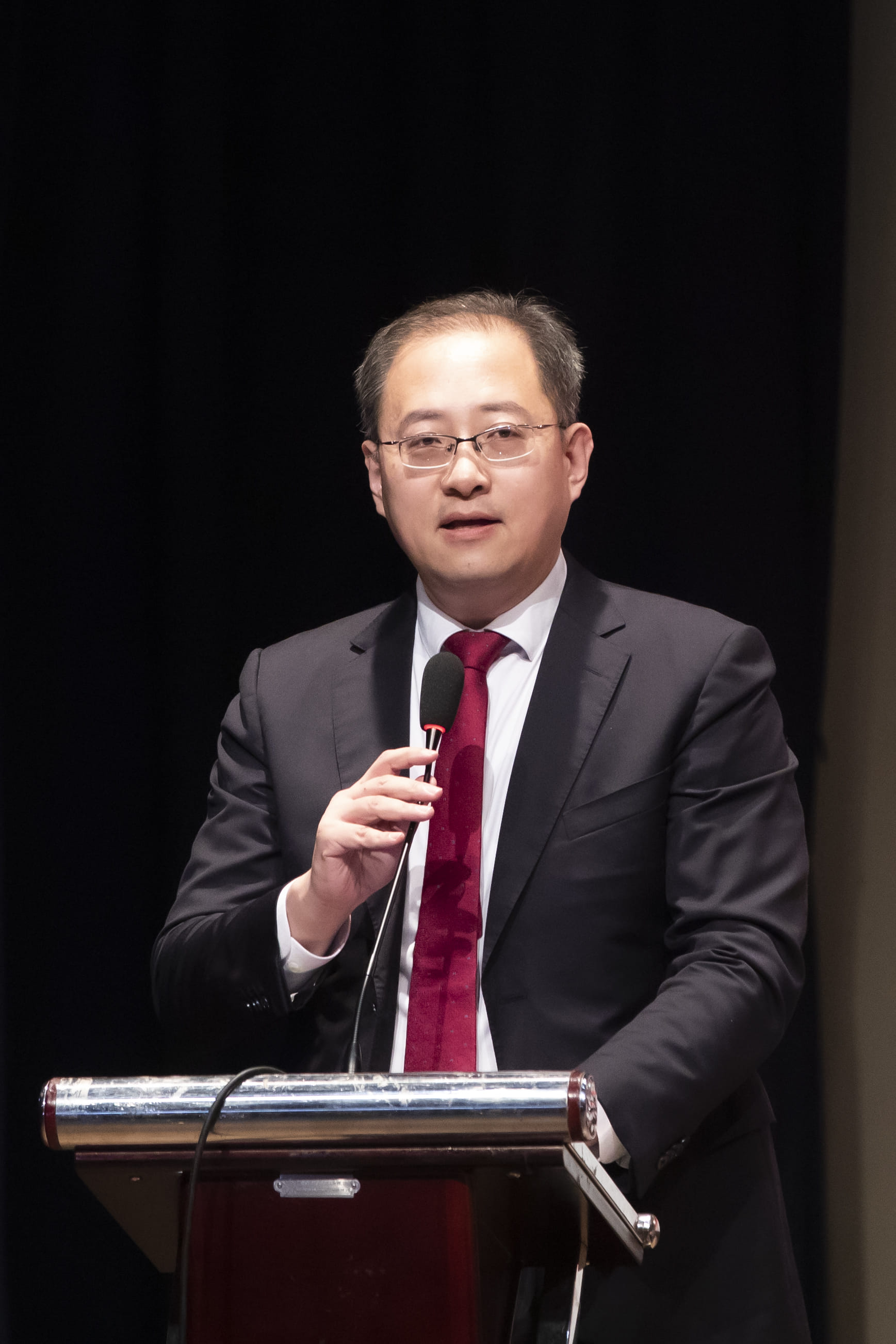
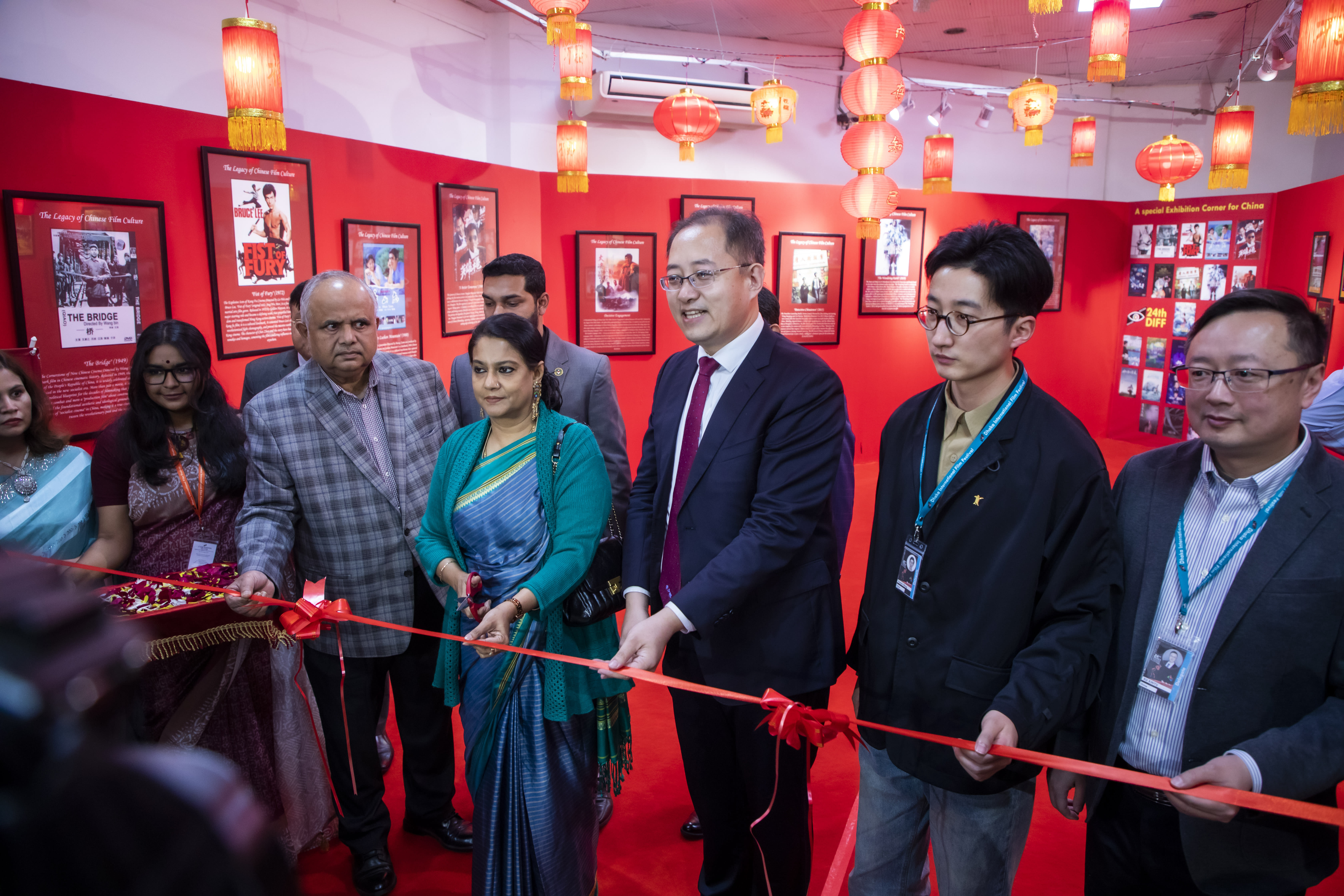
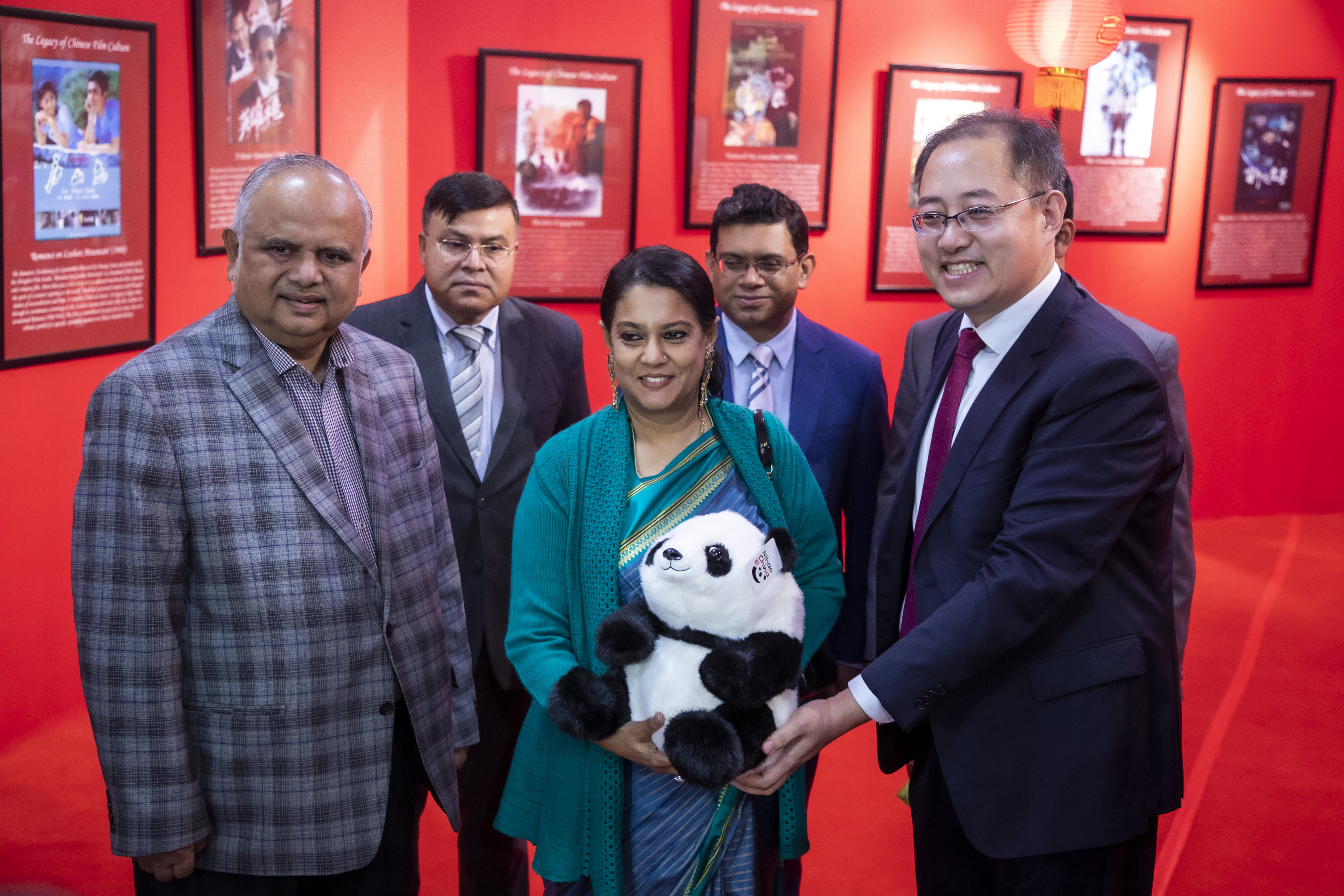
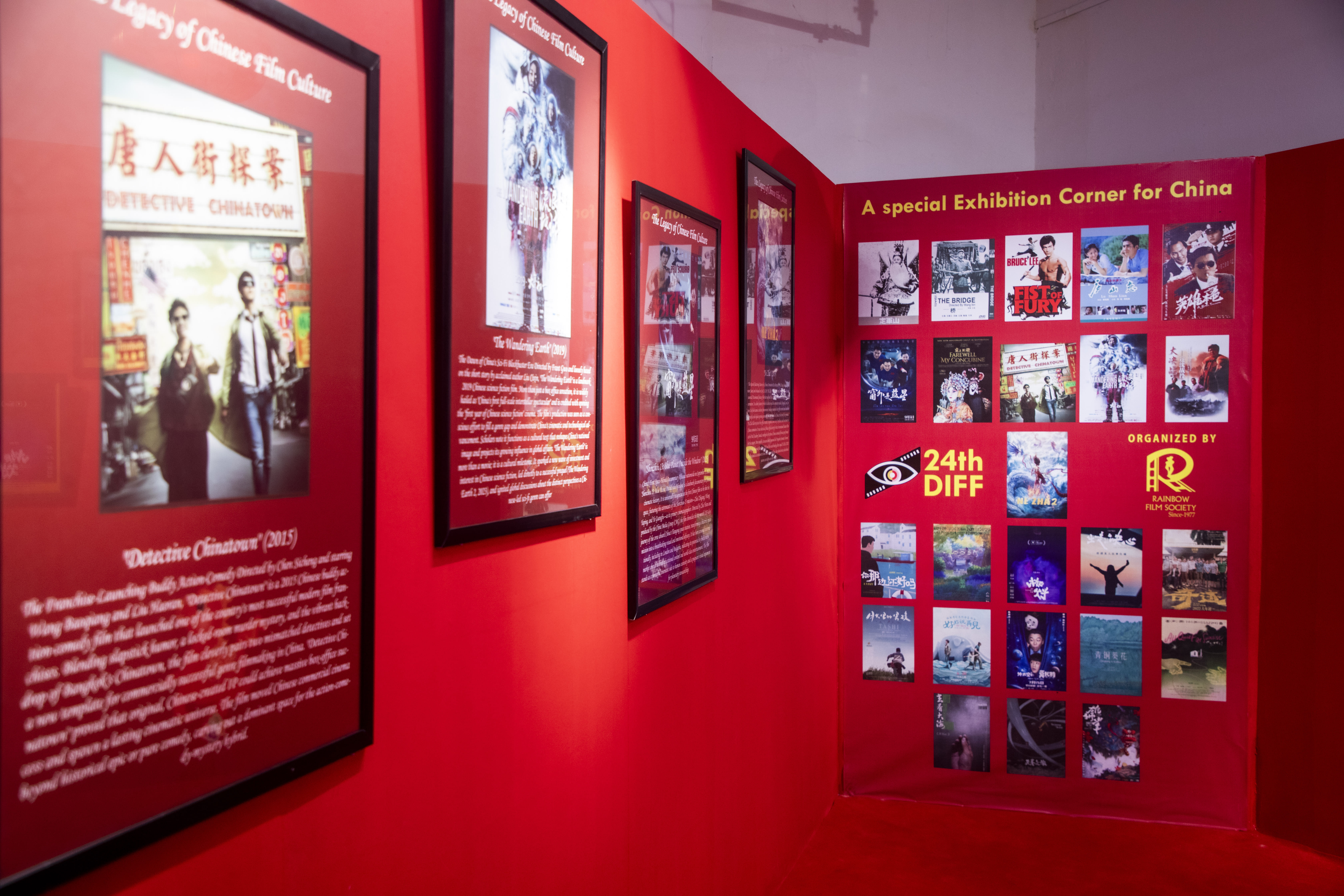
Li Xiaopeng, Cultural Counselor at the Chinese Embassy, described cinema as a universal language. “Film is a world language that needs no translation. It is an art of light and shadow that creates shared memories,” he said. He praised DIFF for building cultural bridges over the years and expressed satisfaction over the Chinese Film Week, which features 13 Chinese films of diverse themes and styles. “We hope this initiative inspires cooperation, friendship, and meaningful dialogue among filmmakers,” he added.
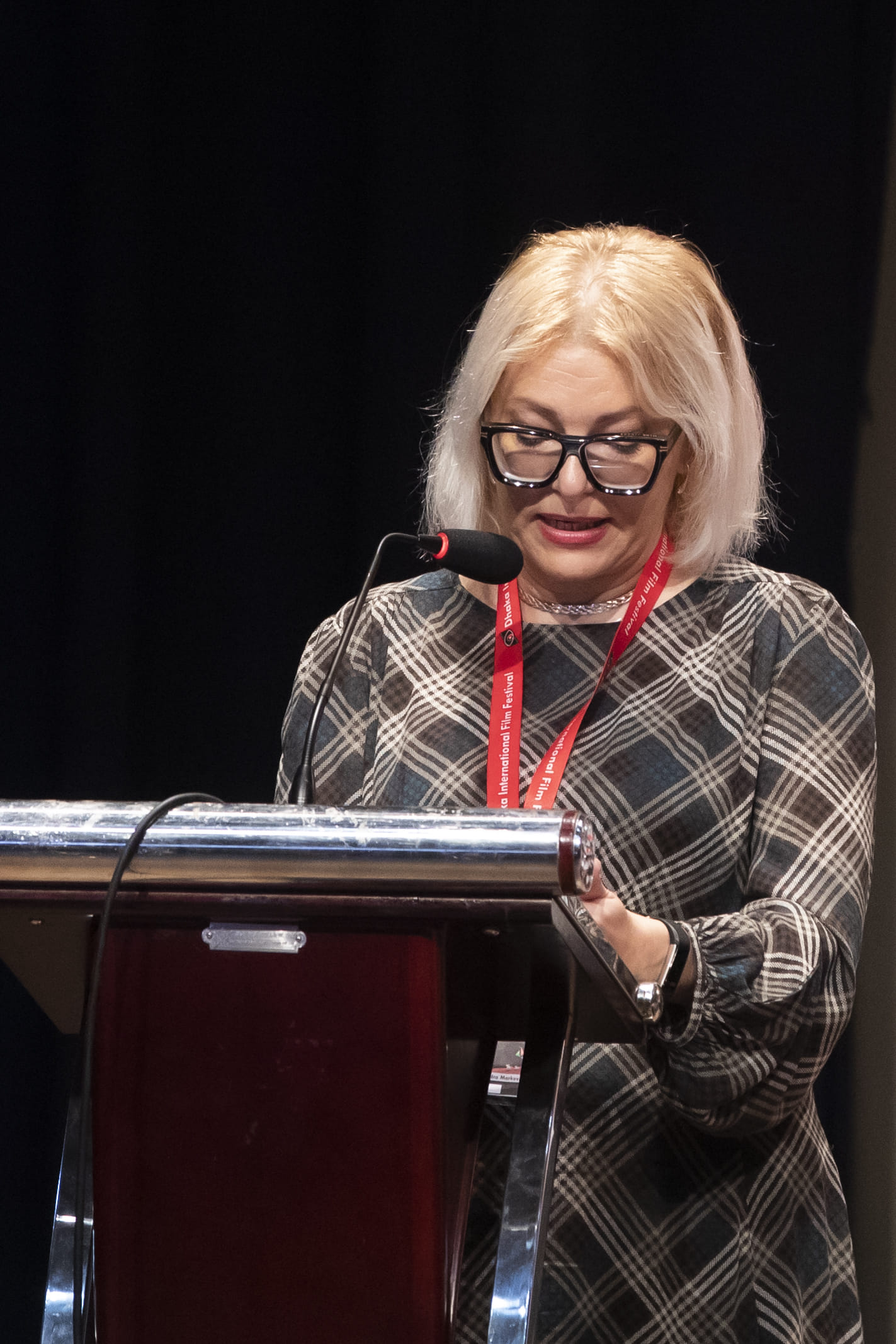
Croatian filmmaker Aleksandra Marković commended Bangladeshi cinema for its strong storytelling tradition and emerging contemporary voices. “Bangladesh cinema has a powerful presence. I am committed to promoting Bangladeshi films and filmmakers internationally and supporting opportunities for global collaboration,” she said.
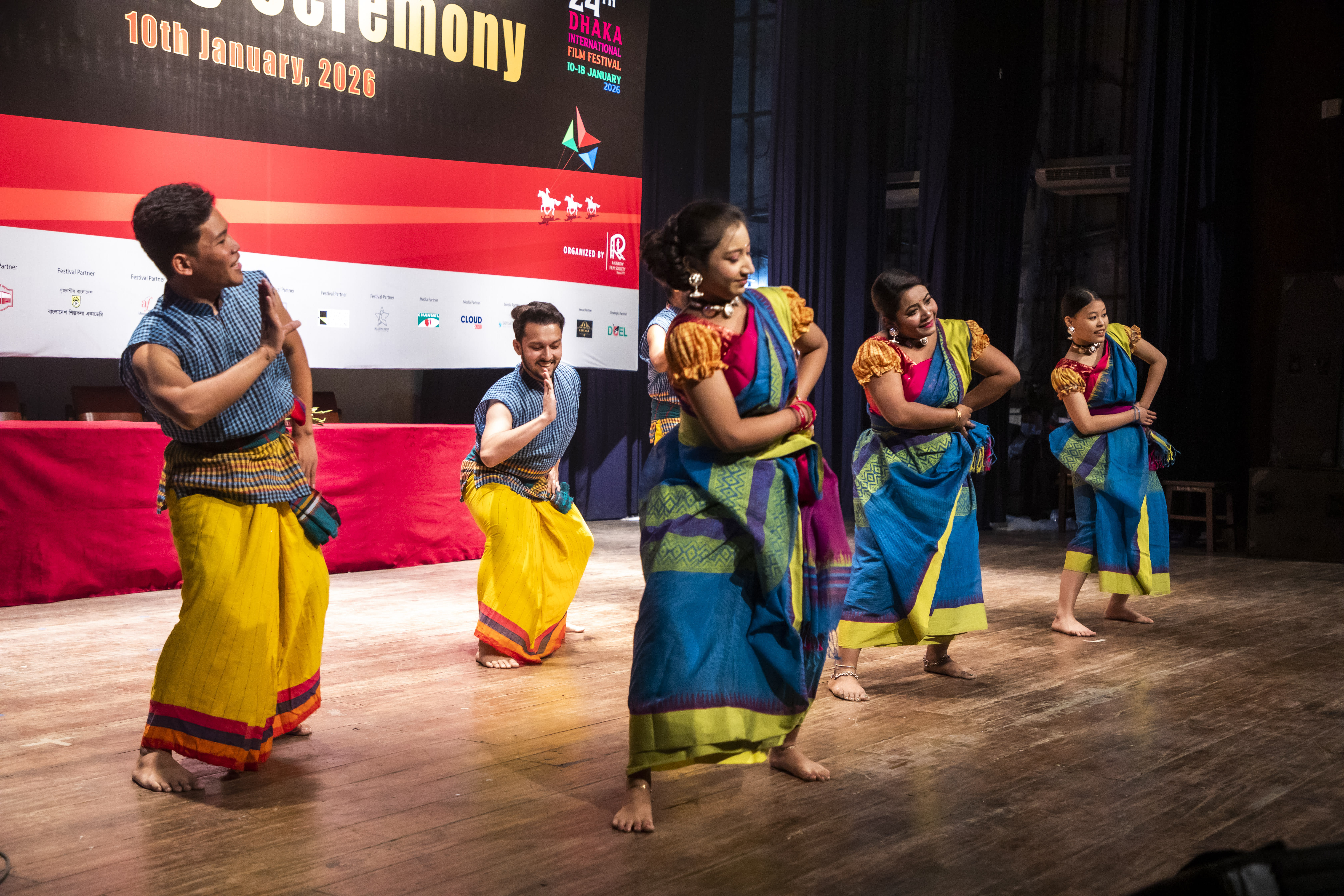
The evening also featured lively cultural performances by Theatrical Company and the Jol Torongo Dance Crew. The festival’s first screening began at 5:30 pm with the Chinese film “Wu Jin Zhi Lu” (The Journey to No End), directed by Chen Xiang, followed by the Iranian drama “Without Me” by Mohammad Asadania at 7 pm.
Film screenings will take place across multiple venues in Dhaka, including the Bangladesh National Museum, Kabi Sufia Kamal Auditorium, National Art Gallery, National Theatre Hall at Shilpakala Academy, Alliance Française de Dhaka, and Stamford University Bangladesh auditoriums.
For the first time, DIFF is also extending its reach to the coast with open-air screenings at Laboni Beach in Cox’s Bazar from January 10 to 18, organised by the Bangladesh Tourism Board, allowing audiences to experience world cinema against the backdrop of the sea.
Complementing the film screenings, a visual art exhibition is being held from January 9 to 17 at the 3D Art Gallery of the Bangladesh Military Museum. Curated by Lutfa Mahmuda, the exhibition features work by 10 renowned Bangladeshi artistes and explores the intersection of cinema and visual art.
This year’s festival showcases 245 films from 91 countries, including Bangladesh, across a wide range of sections such as Asian Film Competition, Retrospective, Wide Angle, Bangladesh Panorama, Cinema of the World, Children’s Film Session, Women Filmmakers, Short and Independent Films, and Spiritual Films.
The 24th Dhaka International Film Festival will continue until January 18, offering audiences an expansive and diverse cinematic experience.
Comments