


Ramadan Iftar, done right: Comfort fusion food with Radhuni

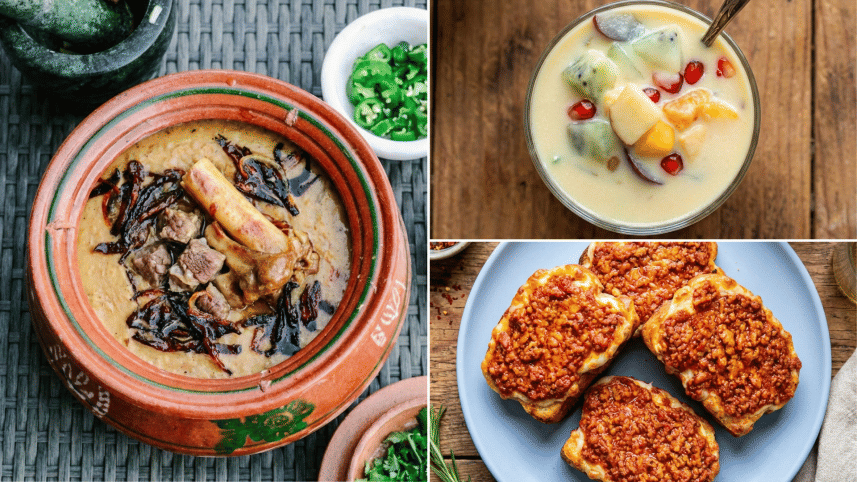
During Ramadan, kitchens in Bangladesh don’t run on calm they run on timing. The day is long, the clock moves faster after Asr, and somehow, everyone wants something “light” while requesting five items at once. That’s usually when you realise you don’t just need ingredients. You need reliability.
That’s where Radhuni fits in, not to replace the cook, but to keep the base steady when you’re juggling everything else. The best part is the range feels genuinely versatile: with Radhuni, you can stick to the traditional recipes you grew up with, and still play around with newer fusion ideas, like the ones here, without the flavours feeling out of place.
 For all latest news, follow The Daily Star's Google News channel.
 Radhuni Halim Mix makes Nehari haleem feel doable on a weekday, without losing that deep, slow comfort. For iftar-table classics, Radhuni Shadmishali Seasoning Mix settles into chola like it belongs there, warm, rounded, properly familiar.
Then there’s the fun stuff. Chopstick Instant Noodles turns into noodles pakora the way only Dhaka kitchens can: a little chaotic, a little genius, and gone before you’ve even sat down. When you’re doing savoury bites like beef keema toast or chicken curry stuffed bread rolls, Radhuni Ready Mix Beef Curry and Radhuni Chicken Curry Masala help you land the flavour without overthinking it. And if you want that quick, sharp lift on snacks, Radhuni Ready Mix Chaat Masala does the job in one pinch.
Finish with fruit custard cold, creamy, and quietly perfect, especially with Radhuni Custard Mix keeping it smooth.
Here are the recipes to make your iftar table feel full, familiar, and just a bit more yours.
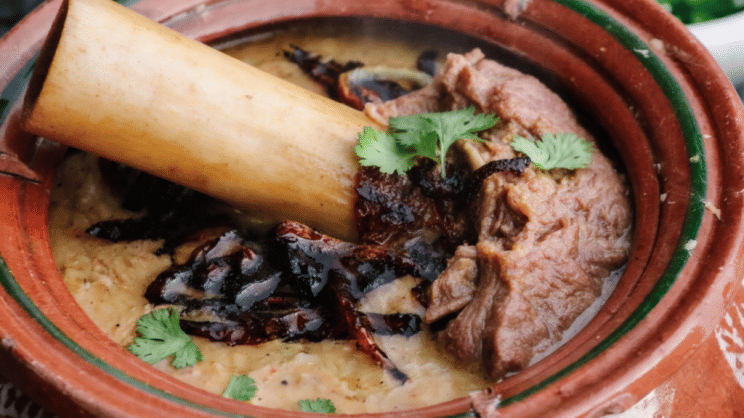
NIHARI HALEEM
In Dhaka, haleem isn’t “a dish.” It’s the one thing that makes iftar feel like iftar thick, warm, and stubbornly comforting.
Now imagine a nihari haleem: that slow-cooked shank depth, a peppery bite, a bit of marrow-rich goodness that sits in the gravy like it belongs there. Nihari haleem is basically a haleem with heavier aroma, deeper meat flavour, but still the same familiar texture.
That’s where Radhuni Haleem Mix makes sense. It takes care of the grains, pulses, and the core spice balance, so you can spend your energy on the parts that actually change the pot, the meat stock, the onion fry, the ginger-lemon garnish. For that tasty finish. You still get that healthy layered, slow-cooked feel, without committing your whole afternoon to stirring. It is that easy!
Ingredients
1 pack Radhuni Haleem Mix (beans + grains + spice powder)
700g–1kg mutton shank (bone-in, marrow)
6–8 tbsp edible oil
1–1½ cups onion, thinly sliced
1 tsp fennel powder (key “nihari” note)
½ tsp black pepper
½ tsp garam masala (finish): Optional
Salt to taste
Garnish: fried onions, julienned ginger, green chillies, lemon, coriander, cucumber
Method
Rinse the shank, then soak in water with 1 tablespoon vinegar or lemon juice for 10 minutes. Rinse again. Make 2–3 deep slits on the thicker parts of the meat (helps spice and heat get in). Parboil: Boil shank in water for 5-7 minutes, skim the foam, drain and rinse once. Add shank, 3 cups water, a pinch of salt and a few slices of ginger. Cook 20-25 minutes after first whistle. Separate the shank and save the stock.
Take the mix from the pack. Add 2 cups hot water, stir well 3–5 minutes to avoid lumps, then leave it aside.
Heat oil in a heavy pot. Fry onions until deep golden. Remove two-thirds of the fried onions for garnish. Add ginger paste and garlic paste, cook 30-40 seconds. Add the cooked shank pieces. Add soaked Radhuni Garam masala with additional fennel powder and black pepper. Cook 3-4 minutes.
Pour in the saved shank stock. Add extra water if needed so there’s enough liquid to cook grains. Add the soaked grains and pulses. Cook on low heat, stirring frequently so it doesn’t stick. As it thickens, stir harder (haleem texture comes from beating/stirring). If it gets too tight, add hot water little by little. Adjust salt. Add ½ teaspoon garam masala at the end. Top with fried onions, ginger, lemon, green chillies, coriander; serve with cucumber on the side.
That’s it, haleem texture, but with real nihari depth because the grains cook in shank stock, not plain water.
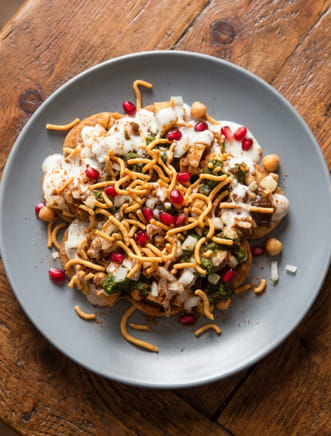
PAPRI CHAAT
Ingredients
Base
2 big handfuls of papri/puri chips
¾ cup boiled chickpeas
1 medium boiled potato, diced
2 tbsp onion, finely chopped
¼ cup cucumber, diced
¼ cup tomato, diced in small pieces
Handful of coriander leaves
1, finely chopped green chilli
Yoghurt + spice
½ cup thick sour yoghurt
1 tsp sugar
Pinch of salt
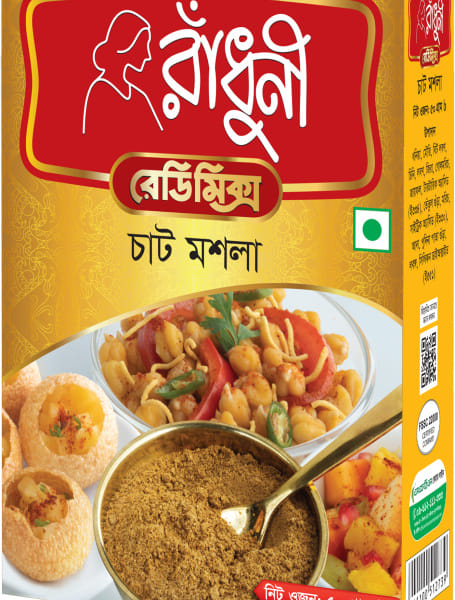
1 to 1½ tsp (to taste) Radhuni Chaat Masala
½ tsp roasted cumin powder
Chutneys (pick any 1–2, even if homemade quick ones)
2–3 tbsp tamarind chutney
2 tbsp mint-coriander chutney
Garnish
¼ cup bhujia
2 tbsp pomegranate arils
Extra Radhuni Chaat Masala for dusting
Method
Whisk yoghurt with sugar and a pinch of salt. Keep it thick, not runny. On a wide plate/bowl, spread papri. Add potato, chickpeas, tomato, cucumber/onion. Drizzle tamarind first (sweet-tangy), then mint (fresh). Spoon the whisked yoghurt over everything, don’t drown it, let layers show. Sprinkle Radhuni Chaat Masala evenly. Add roasted cumin powder if using. Top with bhujia, coriander, chilli, and a final light dusting of chaat masala. If it tastes flat, a bit more chaat masala and lemon. If it tastes too sharp/salty, more yoghurt and a tiny pinch of sugar. If it lacks depth, roasted cumin, and a thicker tamarind drizzle will fix it.
Enjoy while the papri and bhujia are crunchy!
NOODLES PAKORA
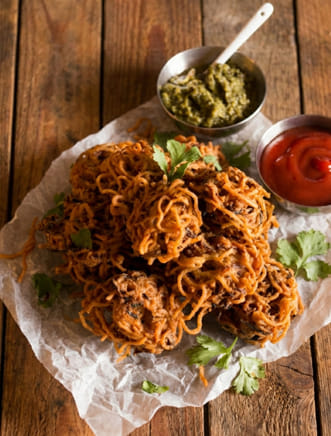
Have you ever thought you could make pakora with noodles, and that too, with Chopstick Instant Noodles during Ramadan? It sounds a bit wild until you try it: half-cooked noodles, chopped veg, and that familiar seasoning doing most of the heavy lifting. The result is properly crisp, properly snackable, and exactly the kind of quick iftar fix that doesn’t turn your kitchen into a battlefield five minutes before Maghrib.
Ingredients
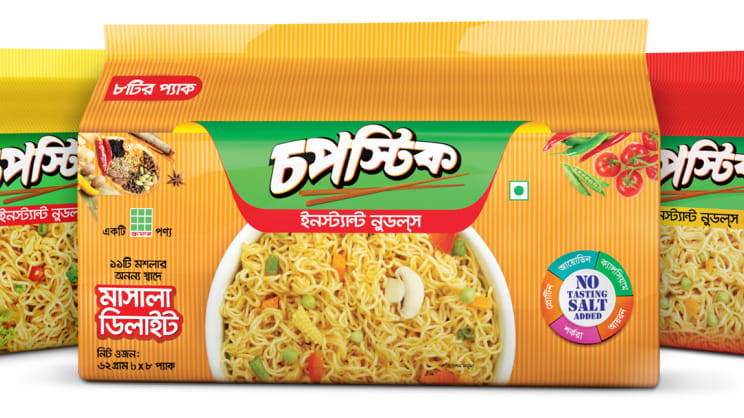
1 pack Chopstick Instant Noodles (keep the tastemaker/seasoning sachet)
Carrot, small, finely chopped
Capsicum, finely chopped, or skip if you don’t have it
Cabbage, finely chopped
Onion, finely chopped
Green chilli, finely chopped
5–7 tbsp besan (gram flour) start with 5, adjust
Salt (careful—seasoning already has salt)
Oil for deep frying
A pinch of baking soda (for lighter pakora)
A little coriander (if you want it fresher)
Method
Cook Chopstick Instant noodles in boiling water for about 1.5–2 minutes. You’re not making a bowl of noodles; you’re making a base that can hold shape. Drain and rinse under cold water so it stops cooking. In a big bowl, add all chopped vegetables, besan, Chopstick Instant Noodles seasoning. Mix properly. Add the drained noodles and mix hard with your hand/spoon. The noodles and vegetable moisture should help it bind. Do not add water. If it feels loose, add another 1–2 tablespoon of besan. Heat oil to medium. Fry 4–6 minutes, turning, until deep golden and crisp. Drain, rest 1 minute, then serve. They crisp up as they cool slightly. The seasoning already has that familiar savoury punch — so you don’t need extra masala. Once fried, the noodles give you that crunchy, messy-edge texture you normally chase in a good pakora, while the vegetable keeps it from feeling like a heavy flour bomb.
BEEF CURRY KEEMA TOAST
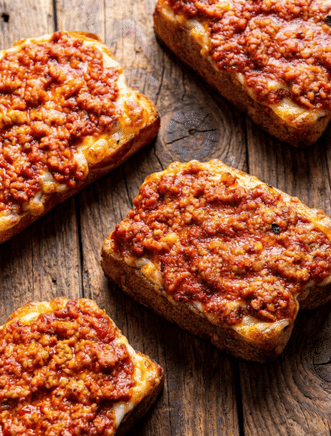
This is the cheat-code toast: it eats like keema, tastes like a proper beef curry, and takes about as long as it takes to finish saying “Maghrib is any minute now.”
Ingredients
250–300g beef mince (or finely chopped leftover beef curry pieces)
1 medium onion, finely chopped
1 cup of chopped tomatoes
1 tbsp oil or ghee
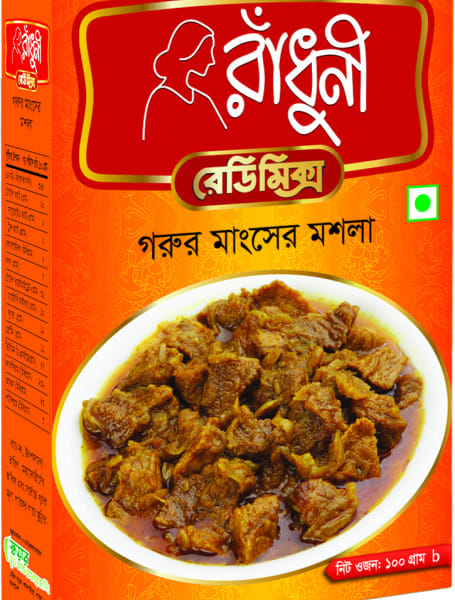
1½–2 tbsp Radhuni Ready Mix Beef Curry Masala
2 tbsp water (more if needed)
1 green chilli, finely chopped (optional)
1 tsp lemon juice (or a tiny splash of vinegar)
Salt (only if needed)
Coriander, chopped (optional)
Bread slices (white or brown), butter for toasting
Method
Heat oil/ghee in a pan, put chopped onions and tomatoes, cook till soft and lightly golden. Add beef mince. Break it up properly so it doesn’t clump. Cook until it changes colour, and most of the water dries off. Lower heat. Add Radhuni Ready Mix Beef Curry and stir for 30-40 seconds so it blooms (don’t burn it). Add 2 tablespoons of water, mix well, then cook on medium heat until it turns thick, dry-ish, and jammy, like a topping, not a gravy. Taste. Add salt only if it actually needs it. Add green chilli (optional), lemon juice, and coriander. Turn off heat. Butter bread and toast until crisp. Spoon the beef curry keema on top. If you are a cheese lover, add a thin layer of cheese and cover the pan for 30 seconds to melt.
Serve with yoghurt and lemon dip on the side to cut the richness. You can also add sliced cucumber/onion for crunch.

CHICKEN CURRY STUFFED BREAD ROLLS
These are properly iftar-friendly: crisp outside, warm chicken curry inside, and you can make them in a batch without turning your kitchen into a war zone.
Ingredients
For the chicken curry filling —
250–300g boneless chicken (small cubes or shredded cooked chicken)
1 medium onion, finely chopped
2 tbsp oil
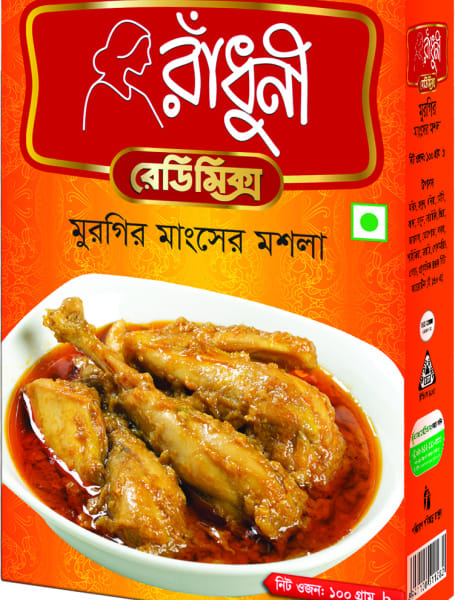
2 tbsp Radhuni Ready Mix Chicken Curry Masala
½ tsp Radhuni turmeric (optional — only if you want a deeper colour)
½ cup water (adjust as needed)
Salt (only if needed)
1–2 green chillies, chopped (optional)
1 tbsp lemon juice
Coriander, chopped (optional)
For the rolls —
8–10 bread slices (white works best)
1 egg (beaten) or flour slurry (2 tbsp flour + 3 tbsp water)
Oil for frying (or butter/oil for shallow fry / airfry)
Method
Heat oil in a pan. Add onion and cook until soft and lightly golden. Add ginger paste and garlic paste. Cook 30-40 seconds until the raw smell fades. Lower heat. Add Radhuni Ready Mix Chicken Curry Masala. Stir for 20-30 seconds so the spice wakes up, but don’t let it burn. Add chicken cubes (or shredded cooked chicken). Mix well so every piece gets coated. Add about ½ cup water. Cover and cook 8-10 minutes (less if shredded cooked chicken). Uncover and reduce until the filling is thick, dry-ish, and sticky. This part matters: if it’s watery, the rolls will break and go soggy. Taste and add salt only if needed. Add green chillies, lemon juice, and coriander. Cool completely before stuffing (hot filling tears bread).
Trim crusts if you want cleaner rolls. Roll each slice flat with a rolling pin. Place 1–1½ tablespoons of filling in the centre. Fold sides and roll tight like a mini log. Brush the seam with beaten egg or flour slurry to keep it closed. Fry on medium heat until golden brown and crisp. Use a wide pan with a thin layer of oil. Turn and brown all sides. Serve it while hot and crispy.
For air fryer users, brush rolls lightly with oil. Air fry at 180°C for 8–10 minutes, flipping once.

FRUIT CUSTARD
Ingredients
2½ tbsp Radhuni Custard Powder
¼ cup water
500ml milk
4 tbsp sugar
1 apple
1 cup grapes
½ cup pomegranate arils
1 cup diced strawberries
2 tbsp slithered almonds
2 tbsp pistachios
2 tbsp raisins

Method
To keep the custard completely smooth, first whisk the Radhuni Custard Powder with a little water until it turns into a lump-free slurry.
In a saucepan over medium heat, bring the milk and sugar to a gentle boil. Keep stirring, then slowly pour in the custard mixture in a thin stream, whisking constantly so it doesn’t clump. Lower the heat and continue to cook, stirring all the while.
As you whisk, the custard will come together and start to thicken. Remember it firms up more once chilled, so take it off the heat when it’s still slightly loose and let it cool. Once it reaches room temperature, fold in the chopped fruits, almonds, and raisins. Finish with a sprinkle of ground nuts and a few raisins right before serving.
Comments