


5 epic destinations in Asia that won’t cost a fortune
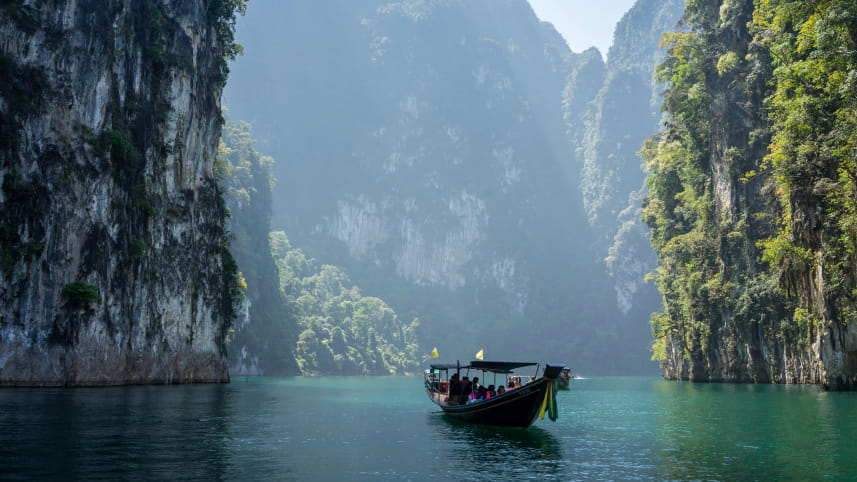
Most people assume that an international tour means draining their savings account and skipping lunch for the next three months. However, these five destinations, right here in Asia, prove otherwise. They offer stunning landscapes, incredible trekking opportunities, and, last but not least, mouth-watering food.
Not to mention, flights from Bangladesh to all five destinations are reasonably accessible, though some may require a stopover, and ticket prices vary depending on the season and how far in advance you book. Food is a highlight across the board as street food culture keeps eating costs low in there. Accommodation, on the other hand, ranges from budget guesthouses to comfortable hotels, with internal transport adding a worthwhile cost to the overall trip.
 For all latest news, follow The Daily Star's Google News channel.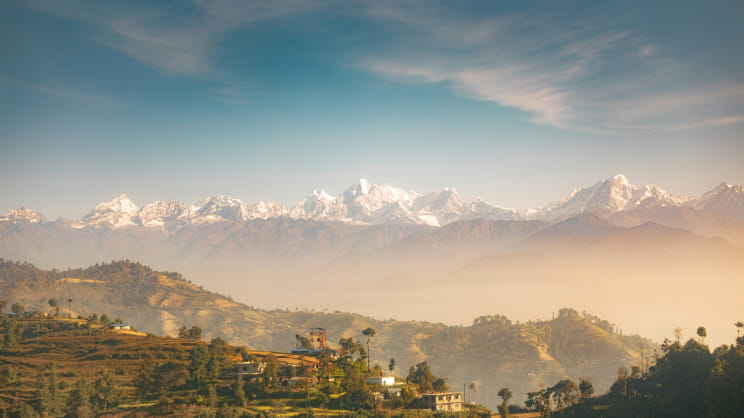
Nepal
Standing at Poon Hill at sunrise, with Dhaulagiri and Annapurna turning gold in front of you, is one of those experiences that cannot be captured in photos. You have to be there yourself, shivering at 3,200 metres, cocooned in a jacket, and watching the Himalayas slowly waking up.
The Ghoreopani trek takes four days and does not require the skills of a professional trekker, if you walk regularly, you will be fine.
Pokhara deserves a couple of days on its own, featuring Phewa Tal, a lake that sits quietly with a mirror image of Machhapuchhre, the fishtail-shaped peak, on its surface. You can rent a rowboat, and spend that hour saying nothing at all, which is its own kind of luxury.
Kathmandu is chaotic in a way that feels familiar to Dhaka, but the Boudhanath Stupa cuts through all that noise. Rooftop cafés nearby sell butter tea and views of the stupa at dusk, and an evening spent that way, watching monks circle below as the city softens around you, costs almost nothing.
Bhutan
Bhutan is a kingdom that has deliberately kept itself unhurried. No traffic jams, no queue of tourists, and trekking trails where you might go three days without running into another group. The scenery includes dzongs, those massive fortified monasteries perched over river valleys, with forested ridges and rice terraces cut into the hillsides behind them.
Tiger's Nest clings to a cliff face at 3,120 metres and requires two to three hours to climb. Nearly everyone who has attempted it says the same thing: best hike of their life. The sanctuary keeps appearing and disappearing through pine trees as you ascend, a detail that sounds like exaggeration until it is actually happening to you, and you realise you have stopped walking three times just to look.
All foreign nationals must travel with a licensed local guide, and this turns out to be worth more than people expect. A knowledgeable companion opens conversations with residents that you would never have had otherwise.
Homestays in Bhutan draw some of the warmest feedback of any accommodation in this part of Asia, with evenings spent in mountain houses, and sharing meals.
Vietnam
Vietnam stretches over 1,600 kilometres from north to south and each region feels different enough to be its own journey. The north is cooler and older. The middle has seaside towns and ancient architecture lying side by side improbably. The south moves faster.
Hanoi is where most people begin, specifically the Old Quarter, a grid of narrow streets each historically dedicated to a single trade: silk, paper, tin. Hoan Kiem Lake occupies the centre of the city, a red bridge leading to a small island temple on its waters.
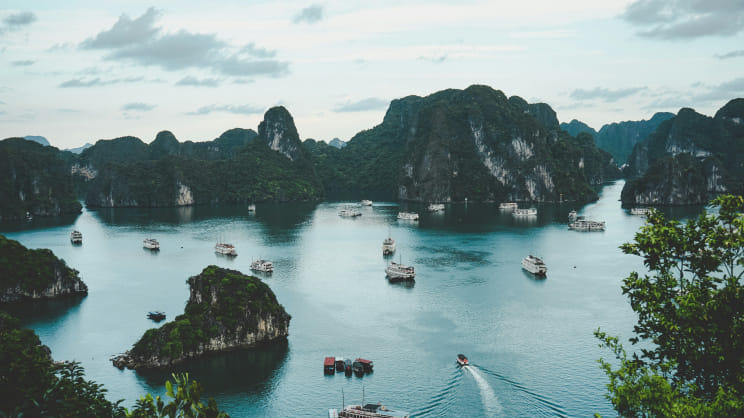
Ha Long Bay is best experienced on an overnight cruise. You wake up inside a bay of over 1,600 limestone islands with still green water and almost no sound.
Hoi An is the lantern-lit town everyone has already seen in travel magazines, and it holds up in person. Sapa, up in the northern highlands near the Chinese border, is where the famous rice terraces are. The Hmong and Dao communities carved them onto hillsides over generations. They look extraordinary in late September when the paddies turn gold before harvest.

Malaysia
In 2026, Malaysia recorded a significant increase in visitor numbers, and frequent travellers to the country are not surprised. Malaysia has quietly been building its appeal for years.
Kuala Lumpur is a functioning, modern city with metro for travelling, neighbourhoods that are distinct, and exceptional food at every price level. Petaling Street in Chinatown fills up at night with hawker stalls. Brickfields, the Indian quarter, smells of jasmine garlands and filter coffee
But Penang is the reason food travellers come to Malaysia. Georgetown, the old colonial town, is a UNESCO Heritage Site and the most serious hawker food city in Southeast Asia. Assam laksa, a sour, fishy, deeply layered noodle soup, has appeared on multiple world's best dishes.
Langkawi is the island that people keep returning to. Duty-free status makes restaurants and resorts noticeably cheaper. The beaches are wide, white, and less crowded. Cable cars up Gunung Mat Chinchang give views over the Andaman Sea and the Indonesian islands on clear days, the kind of view that makes you feel both very small and very glad to be alive.
The Perhentian Islands, off the northeast coast, are for anyone wanting to spend four days watching reef sharks in shallow water and sea turtles drifting past on the way to dive sites.

Thailand
Thailand is easy to travel in, with inexpensive, good quality food including flavourful Pad Thai, mango sticky rice, and fresh Som Tam, and overflowing cheap tropical fruits and snacks, and guesthouses that cost very little, tuk-tuks, and overnight buses covering vast distances for next to nothing.
Bangkok earns its reputation. Chatuchak Weekend Market has stalls selling everything from vintage clothing to live fish to ceramics. Chiang Mai has a different pace here. The old city is surrounded by a moat and still has its original walls. Sunday Walking Street runs through the old city with food and craft stalls.
For beaches, Koh Lanta and Koh Kood are quieter and better for anyone who wants the sea without the noise. Koh Phangan delivers exactly what it promises for those who want the full moon party, which is a different kind of trip entirely, and also a valid one.
Now, at some point, planning has to stop, and the booking has to start. These five countries are not going anywhere, but your free weeks are. Nepal's sunrise will unfold endlessly; the pho stall in Hanoi opens at six in the morning regardless, and somewhere on a cliff in Bhutan, there is a monastery that has been standing for 600 years. Go while you can, and I can guarantee you will come back with memories and souvenirs worth talking about.
Comments