


Simple ways to replace your most harmful habits
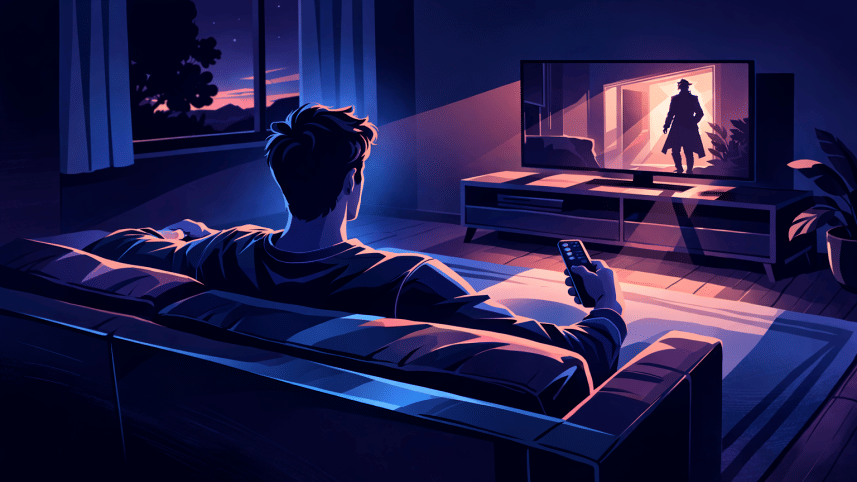
Smoking, scrolling for hours before bed, biting nails during stress, drinking too much fizzy soda, skipping breakfast, oversleeping mornings after staying awake all night, procrastinating important tasks till the last minute, and many more of our daily habits are more harmful than we think. These habits slip into our lives quietly, and settle into our schedules without much thought. However, over time, they shape our health, mood, productivity more than we realise.
 For all latest news, follow The Daily Star's Google News channel.
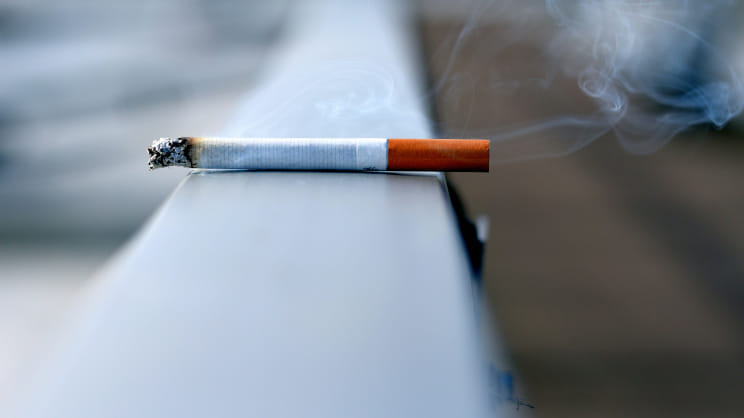
 To begin with, smoking remains one of the most harmful habits, despite widespread awareness. Beyond the well-known risks related to lungs and heart, nicotine makes cravings feel urgent and difficult to ignore. Some behavioural specialists recommend using “stop-smoking” mobile phone apps that track triggers and offer timed breathing exercises to manage urges in real time.
In addition, people can also keep flavoured chewing gums with them whenever the cravings of a cigarette begin to kick in. This can also help to distract one from puffing a cigarette or vape.
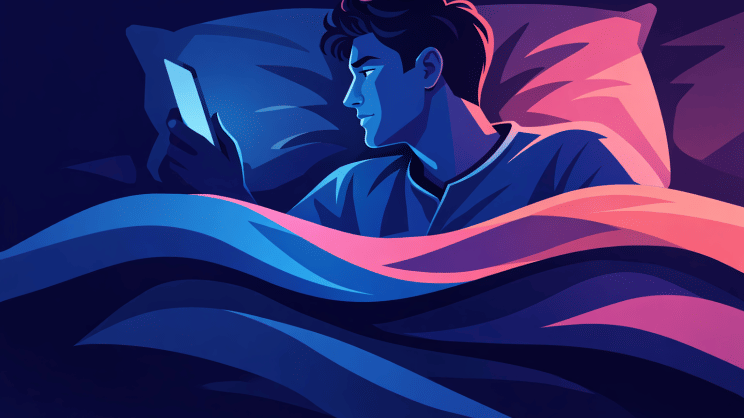
Doomscrolling has become another common modern habit. Constantly consuming negative news and social media updates does not only increase stress and disturb sleep patterns, but also leads to a more pessimistic mindset. Therefore, in order to combat this, one can rather move to using e-book apps, choosing some light-hearted books or articles or even read stances penned by motivational speakers.
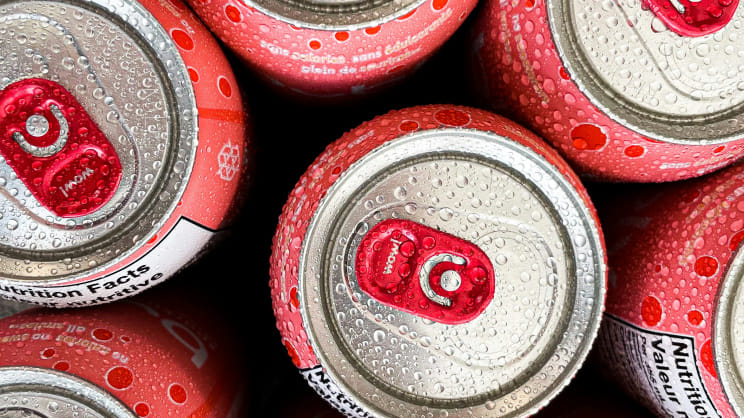
Excessive caffeine and sugary soda intake are another overlooked issue. While a cup of tea or coffee can improve alertness, repeated high doses may raise heart rate, disturb sleep, and increase irritability. Nutrition experts suggest gradually replacing one daily sugary drink with sparkling water or infused water to reduce sugar without feeling deprived. Many brands are producing different flavours to mix with water and drink on a regular basis.
Nail-biting may seem minor, but it does damage the skin while spreading bacteria and weakening nail beds. Instead of relying on willpower alone, dermatologists often suggest applying bitter-tasting nail coatings, or keeping nails neatly trimmed to reduce temptations. Some people benefit from using fidget tools or stress balls to redirect nervous energy.
Another growing concern seen among young adults is the habit of checking phones constantly, even if there are no notifications. This behaviour interrupts focus and deep-thinking time. Simple steps such as turning off non-essential notifications, moving distracting apps off the home screen, or setting the fixed “phone-free” hours can significantly help lower usage. Also turning Wi-Fi off when the phone is not in use is also helpful.
Late-night sleeping and irregular routines also affect long term health. Poor sleep has been linked to weakened immunity and reduced mental clarity. Experts recommend setting a consistent sleep schedule and avoiding screens at least 30 minutes before bed to reset the body’s rhythm. Also, taking early supper is a key factor to get a good night’s sleep.

Procrastination is a quieter but equally harmful habit. Delaying tasks increases stress and reduces self-confidence over time. Procrastination also leads to pessimistic and cranky attitude among young adults. Behavioural research suggests breaking tasks into very small steps, even five-minute actions, to overcome the mental block that causes delay.
What connects all these habits is not weakness, but repetition due to lack of determination. Habits form when the brain links a cue to a routine and a reward. Replacing the routine, rather than fighting the urge directly, is often more effective. There is an old saying — “Old habits die hard” — so, we need to be consistent as only then can a vivid change be more obvious.
For example, if boredom leads to scrolling, keeping a book within reach offers an easy substitute. If stress triggers smoking, stepping outside for a short walk or practicing guided breathing through an app can create a similar calming effect. Small changes repeated daily slowly rewire behaviour.
Most importantly, habit change works best when the environment supports it. Keeping unhealthy snacks out of sight, charging phones away from the bed, or placing reminders on desks can gently influence behaviour without constant effort. These subtle adjustments reduce reliance on willpower.
Everyday bad habits do not disappear overnight, and perfection is not the goal. Progress comes from steady, practical adjustments, rather than extreme rules. Over time, healthier routines become just as automatic as the old ones.
Comments