


Easy winter barbecue tricks to get that perfect restaurant flavour

As the wintry chill gradually seeps through the cracks of doors and windows, and the temperature drops to almost single digits, it is time to turn on the heat with barbecue on rooftops. However, not everyone has the right keys to unlock real barbecue flavours. Hence, we bring about some time-tested tips and tricks to make your winter evenings full of warmth, fun, and memories. We delve deeper into the lesser-known facts to make our barbecues more effective and mouth-watering.
 For all latest news, follow The Daily Star's Google News channel.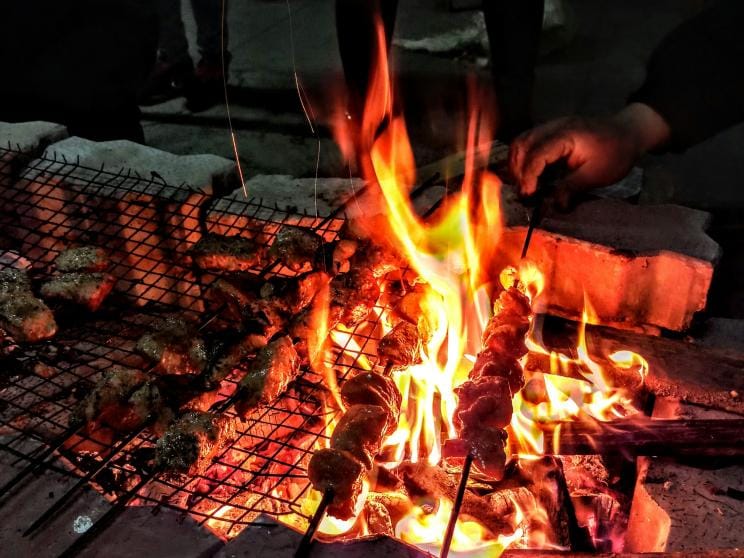
Temperature regulation
One of the most crucial techniques, but mostly neglected, is the temperature management of raw ingredients before grilling. When meat, chicken or beef is stored in refrigerators, especially in winter months, it gets colder than the grill surface, and hence placing the cold meat directly on the grill can result in uneven cooking; the exterior may burn while the interior remains undercooked.
The host should allow meat to rest at room temperature for at least half an hour before grilling, which will help to achieve uniform doneness and reduce moisture loss during cooking.
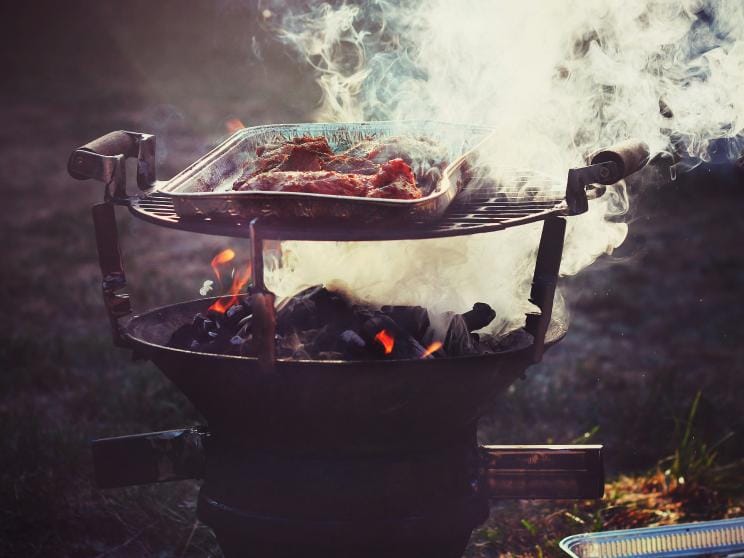
As much as the grill temperature is important, so is the charcoal temperature. In Dhaka's winter, the humidity level drops. We usually store charcoal outdoors or in open areas, which are less accessible, and this makes charcoal absorb moisture over time. Damp charcoal burns inconsistently and produces excess smoke.
To prevent this situation from arising, charcoal must be stored in airtight containers and preheated thoroughly until it develops a grey ash coating. This will provide stable heat and prevent bitter flavours from smoke caused by incomplete combustion.
Marination techniques
Many of us use citric acid from lemon juice or even vinegar for extended marination, unaware that it can damage meat fibres. Hence, a more effective method used by many professional chefs is "two-stage marination".
First, they apply salt to the meat and allow it to rest briefly so that the salt absorbs the moisture evenly. Acidic components should be added when the meat is about to be placed on the grill, as this prevents texture while ensuring flavour is well-penetrated.
Another unknown and least practised technique is "zone cooking". In this method, instead of spreading the charcoal evenly, it is spread in two separate zones, one with a high heat zone and another with a low heat zone. Searing can be done over high heat, followed by gentle cooking on the cooler side.

Preparing the grill
Treating the grill surface with the right treatment is also important. Many people fail to oil the grill appropriately, leading to adding flames beneath. Instead of oiling up the grill, the meat should be cooked properly. A light brush-over the meat or the vegetables with oil ensures even contact and prevents sticking without causing unnecessary flames, which are then harder to control in winter winds.
Many people who make barbecue at home often have an open-lid stove, which can be another barrier to making juicy barbecue. If the lid is open for too long, there will be rapid heat loss in cold air, leading to longer than usual cooking time and also producing drier food.
Therefore, closing the lid will trap some heat, imitating an oven-like environment. This is particularly important for chicken and whole fish. However, this definitely does not indicate closing the lid the whole time. The lid must be opened from time to time and for brief moments to ensure smooth air flow and temperature.
BBQ mistakes
Wood smoke is often misused in home barbecuing. Adding dry wood chips directly to the fire produces sharp, unpleasant smoke. A better technique is controlled smoking, where wood chips are lightly soaked and added sparingly once the fire stabilises. This produces clean smoke that enhances flavour without overpowering the food. In winter, excessive smoke can cling to food more easily due to slower airflow, making moderation essential.
Food safety during winter barbecues becomes more important. Many people are unaware that bacteria can thrive in cooler temperatures. Therefore, using separate tools for raw and cooked food is essential, for example, for checking internal temperatures rather than relying on appearance.
Now, to keep you moving towards your charcoal stove after this brief account of an amazing barbecue night, let me remind you that barbecue is not about fire and food, but is beyond. It is about warmth shared and the comfort of familiar flavours amidst beloved faces. It is also about hearts smiling and souls reviving in the moment.
Comments