


Want better health? Start adding kaali jeera to your diet
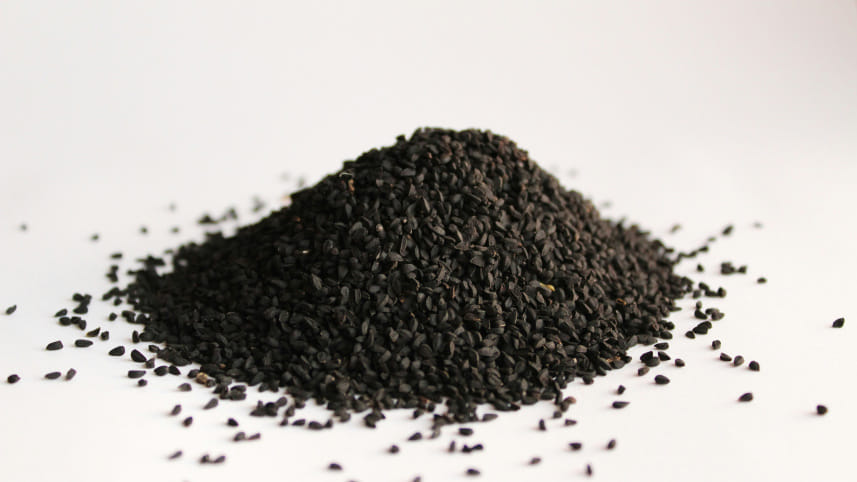
Kaali jeera, also known as black cumin or black seed, has been appreciated for its health benefits. Though used as a spice, it has been traditionally regarded as a natural aid for maintaining good health.
However, it must be acknowledged that even though kaali jeera comes with a lot of health benefits, it is not a complete substitute for any medical treatment.
 For all latest news, follow The Daily Star's Google News channel.
 One of the main health benefits of kaali jeera is its ability to support the body’s defence mechanism. It contains natural plant compounds that help the body fight inflammation, and protect cells from damage. This makes it valuable for people who wish to brace overall immunity through diet.
The use of kaali jeera is also known to aid with digestion. It can reduce bloating, gas, and mild stomach discomfort when used regularly in food. Older generations in south Asian countries, including Bangladesh, often added it to their daily meals, believing that it would keep their stomach light and active.
Another important use of this ingredient is in maintaining heart health. Taking in small but regular amounts help maintain stable blood pressure and support acceptable cholesterol levels. The effects are linked to the natural oils in it, which helps with better blood circulation, reducing the chances of cardiovascular diseases.
Kaali jeera may also help to regulate blood sugar levels. Some studies suggest that it supports insulin activity, which is very crucial in managing energy levels. This is why it has traditionally been recommended in moderation for people concerned about blood sugar balance.
Its antibacterial properties are another health-related advantage. Kaali jeera can help the body resist harmful bacteria, supporting overall gut and immune health. This may explain why it was often included in preserved or slow cooked foods in earlier times, as these properties made the food more nutritious.
In Bangladeshi households, older people commonly used kaali jeera as part of their everyday recipes rather than any occasional spice. It was added to lentil, vegetables, and bhorta. The belief was that even small daily use supported long-term health benefits rather than quick results. It is also beneficial for those suffering from a fever or cold.
By contrast, modern cooking habits often limit the use of kaali jeera to decorative or flavour-only use. As a result, its health supporting role is less recognised today. Nutrition experts suggest returning to modest, regular use rather than using it occasionally. Even during the COVID-19 pandemic, many doctors internationally recommended using kaali jeera for stronger immune system to fight against virus.
Many chefs also use kaali jeera for its healthy properties. It is habitually sprinkled on breads, salads, or roasted vegetables to add flavour. This aligns with modern dietary goals of reducing sodium while maintaining taste.
Kaali jeera is also considered important in Islamic tradition. The Prophet Muhammad (PBUH) said, “There is healing in black seed for all diseases except death” (Hadith of Sahih al-Bukhari). Scholars explain this as encouragement to use it wisely as part of healthy living.
In short, kaali jeera offers multiple health benefits when used regularly and in moderation. Its support for digestion, immunity, heart health, and blood sugar balance make it more than just a spice. Reintroducing it into daily meals, as earlier generations once did, can be a simple step towards better long-term wellbeing.
Comments