


A promising Halloween movie night in a year of fresh horrors
Horror is deceptively simple to make, yet notoriously difficult to make well. A filmmaker can throw together a woman (yes, somehow it's always a woman) in elaborate prosthetics, a tragic backstory of dying, and a handful of well-placed jump scares and the result will still qualify as a horror film. But to truly respect the genre, to treat it as an intricate art of layered storytelling, is to recognise its potential to push boundaries.
That is precisely what Jordan Peele achieved with "Get Out" (2017). His directorial debut reshaped how audiences view horror. Each dialogue, colour, and visual composition carries deliberate subtext, which clicks into place only after the narrative's climactic turns. Its brilliance lies in its juxtaposition: it rewards sharp-eyed viewers who notice hidden patterns, yet remains gripping for those who simply follow the plot. Peele's follow-ups "Us" (2019) and "Nope" (2022) proved that horror could grapple with absurd and unprecedented concepts without losing its edge and public approval.
 For all latest news, follow The Daily Star's Google News channel.
 In the years since, the genre has produced several modern landmarks: "Hereditary" (2018) explored generational trauma and dysfunctional families; "The VVitch" (2015) and "Men" (2022) dissected patriarchy and repression; "I Saw the TV Glow" (2023) tackled gender identity. Increasingly, horror is recognised more and more as a serious medium of artistic expression rather than a cheap thrill. The breakout success of "The Substance" (2024), which grossed $85 million worldwide against a modest budget, and yet managed to bag multiple big awards further emphasized this cultural shift.
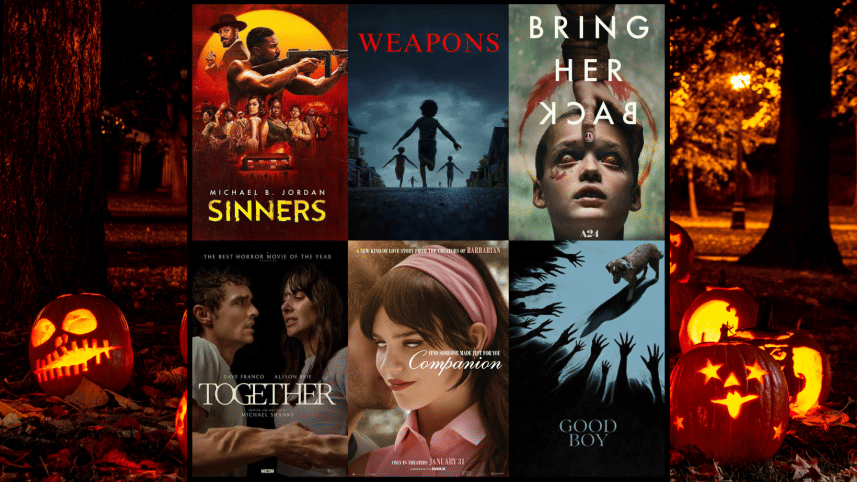
That being said, if you want to have a movie night for this halloween you don't even have to look as far as 2024, or even look further than just this year. If 2017 was a turning point, 2025 is the peak of it , offering some of the best original horror scripts in years. Remakes and sequels certainly appeared, "Final Destination: Bloodlines" neatly tied up the well-loved franchise, while "28 Years Later" reignited Danny Boyle's zombie saga. But the film that stood apart, and is already being hailed as a classic, is Ryan Coogler's "Sinners".
"Sinners"
After "Fruitvale Station", "Creed", and "Black Panther", Coogler reunited with Michael B Jordan to craft a film steeped in history, Irish folklore, and Black culture. The story follows twins Smoke and Stack, fugitives from Chicago's gang rivalries, who return to their Irish village to recruit musicians, most notably their gifted nephew Sammie, for a music joint. Music is central here, not just as performance but as a magical force collapsing time, making Sammie a medium to link souls from multiple eras of time, that includes evil forces.
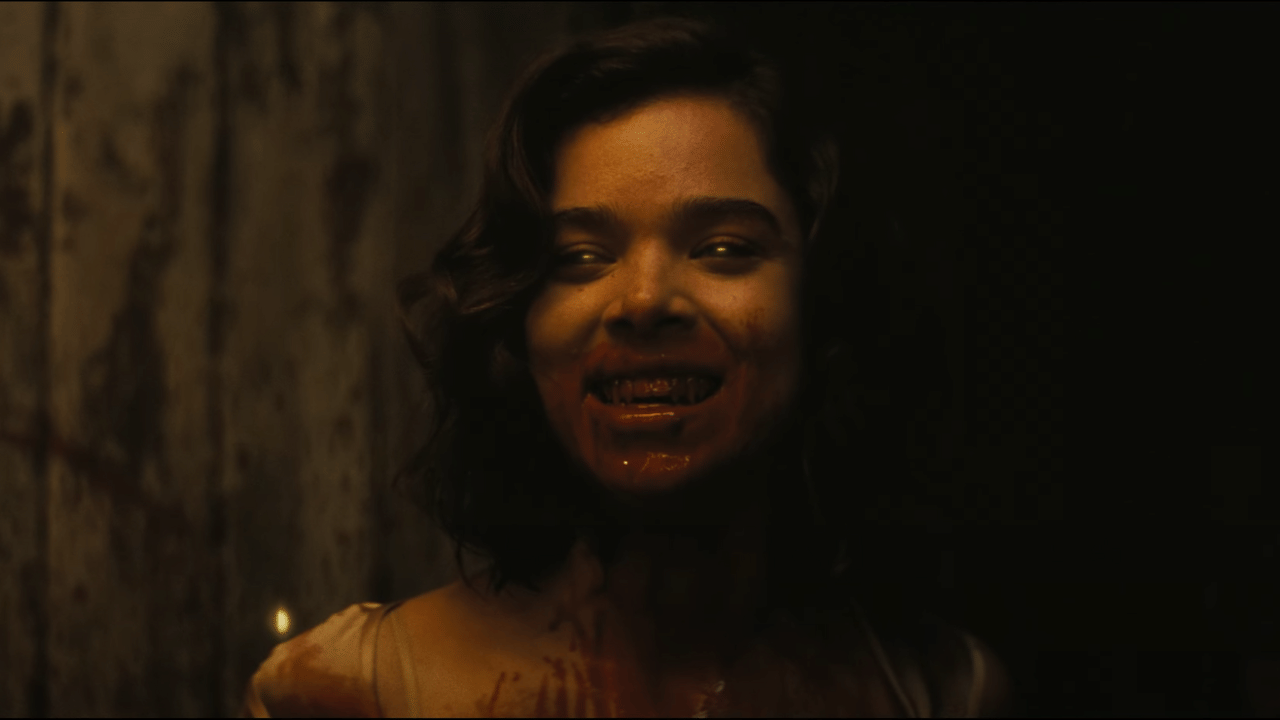
The film is set during the height of slavery with the Ku Klux Klan openly active. The decision to introduce Irish vampires as villains, one who were once themselves stripped of their cultural identity adds a deeper significance and layer to the film. While they sympathise with the Black characters, their whiteness prevents them from fully understanding their struggles. Which is why their solution of assimilation undermines the importance of cultural individuality with years of history, often causing African Americans to become a background noise in the process.
Critics have praised "Sinners" for its "genre-defying boldness" (Rolling Stone) and for Göransson's "twangy, doom-laden score" (Variety). Its layered approach to folklore and identity makes it as effective as a survival thriller as it is as cultural allegory. With a 97% Rotten Tomatoes rating and several midyear awards already secured, it has cemented Coogler as a filmmaker capable of reshaping horror.
"Weapons"
The question naturally arises: will Coogler and Jordan become the new Peele–Kaluuya duo of horror? The comparison may be unfair, as "Sinners" is hardly similar to anything Peele has produced or will produce. But Peele's name inevitably surfaces when discussing Black-led horror, of course, making it apparent how little representation black people have in the genre.
In this case, though not Black-led, the newest release "Weapons" , has taken the world of horror by storm. The film reportedly sparked a fierce bidding war; Peele liked the script so much that, after losing it to Zach Cregger, he dismissed his entire management team. Peele actually did switch management during the same period, though the reasons remain unconfirmed. Peele's reaction is perhaps understandable: with both "Weapons" and "Sinners" dominating critical conversation, his long-held crown as horror's king appears less secure. With "Him" not being mass acclaimed, the crown is further falling.

"Weapons" begins with the chilling disappearance of an entire classroom of children except one, prompting speculation it was an allegory for school shootings (a theory Cregger denies). The first half is brooding and atmospheric, anchored by Cary Christopher as the lone surviving student and Julia Garner in another remarkable performance.
In its second half, the film takes a decisive turn from the initial eerie, tense atmosphere. Horror films with such heavy premises often stumble here, struggling to sustain their tension and collapsing into unsatisfying conclusions. We've seen this in "Midsommar" and again in "Longlegs", where the momentum of the story falters under the burden of their own weight. Yet 2025's best horrors found inventive ways to avoid that trap.
"Weapons" sidesteps the pitfall by shifting into a dark comedy, rather than forcing a dour ending. The climactic tonal shift left the audiences half laughing, half squirming, but left most satisfied. Amy Madigan's performance has even sparked early Oscar buzz.
"Bring Her Back"
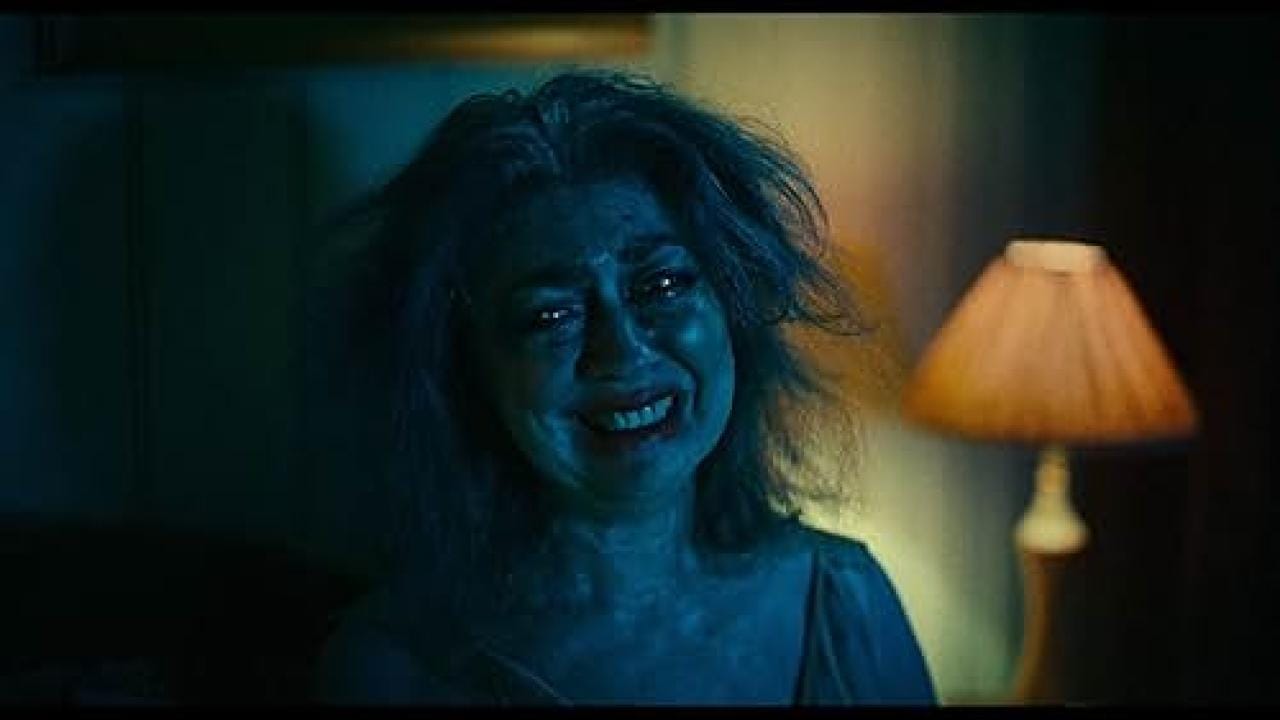
If "Weapons" used the comedic approach, "Bring Her Back" stripped away horror altogether in its climax, focusing instead on the raw devastation of maternal grief. Directed by Danny and Michael Philippou, the film follows Laura (Sally Hawkins) as she becomes consumed with resurrecting her daughter Cathy who dies an unexpected death.
"Bring Her Back" builds on the same themes as "Hereditary" and, in many ways, takes it a step up a notch. Where Annie (Toni Collette) is defined by her initial unwillingness, her refusal to summon her daughter's spirit despite the crushing pull of grief, Laura (Sally Hawkins) is driven by the opposite impulse. Her obsession with resurrecting Cathy consumes her to the point where rationality and morality dissolve. Annie is manipulated into the orbit of a cult she neither sought nor believed in, whereas Laura willingly throws herself into the arms of a cult she desperately hopes is real. That inversion is what makes "Bring Her Back" so powerful: it reframes grief not just as something that haunts and isolates, but as a force that compels, blinds, and corrodes from within.
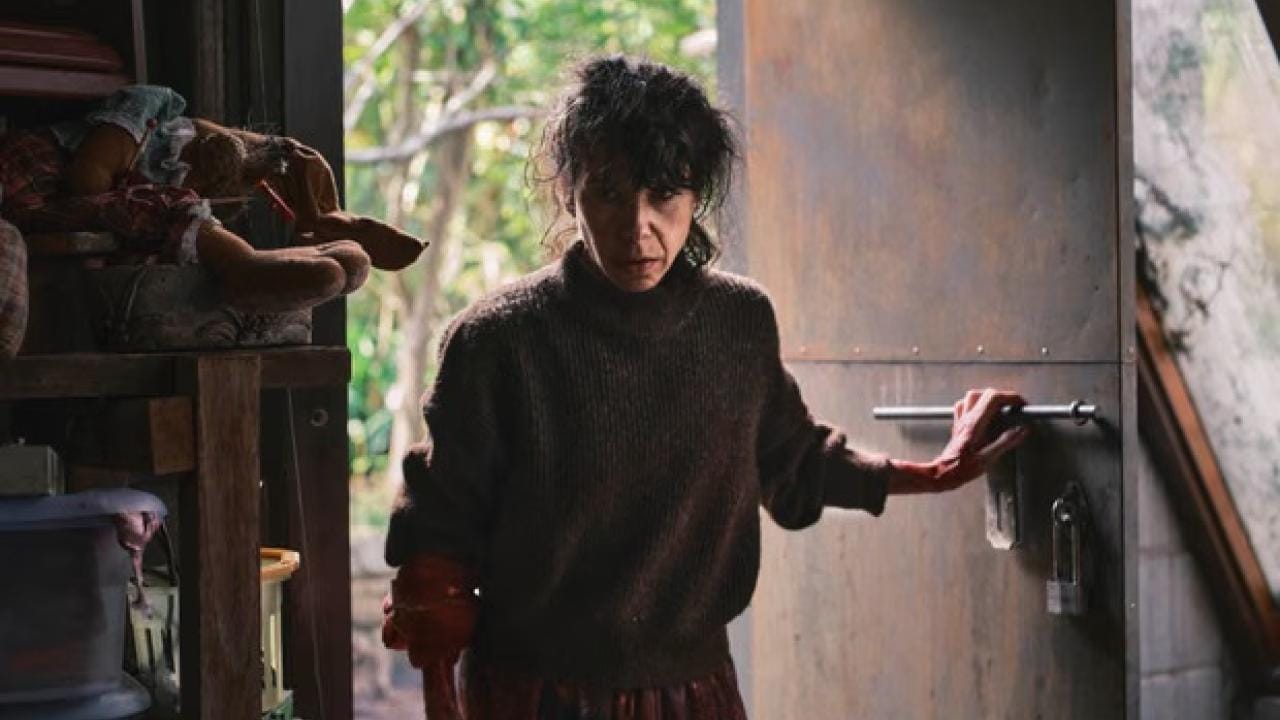
As the Observer put it, the film is "the most queasily unsettling of the year," while the Independent highlighted how Hawkins "weaponises her niceness" to chilling effect. Despite its modest budget, the film has already grossed $32.3 million worldwide, a testament to its resonance.
"Together"
The latest entry in 2025's original horror lineup is a body-horror project from real-life couple Alison Brie and Dave Franco. Franco plays a partner who grows emotionally distant while reeling from his father's unnatural death. The premise seems to be a metaphor for toxic codependency and the way couples can lose themselves when trapped in the same cycles for too long. But to be honest, getting sucked into a cult that literally fuses your bodies is far less terrifying than being stuck in a loveless relationship with a partner that resents you. However, despite the originality of the plot, the film never quite lands, because of underdeveloped characters and poor execution.
"Companion"
Then there's "Companion", a leaner slice of horror fronted by Sophie Thatcher, who feels perfectly at home in this kind of pulpy, B-grade fare. After last year's "Heretic", Sophie Thatcher excels again as Iris, a woman who wakes to discover she's not a girlfriend but an AI "companion" bought by her boyfriend (Jack Quaid) to quench his loneliness.

What starts as a lakeside getaway with friends spirals into betrayal, murder, and a fight for autonomy as Iris reboots, gains control, and turns the tables. The film blends sci-fi, horror, and satire with messy energy,mostly predictable , but carried by Thatcher's performance makes for a fun Friday night watch.
"Good Boy"
The concept of seeing the world through a dog's eyes is not new to cinema, from "A Dog's Purpose" to "Marley and Me", but "Good Boy" is the first to place that perspective within a horror setting.
Ben Leonberg's "Good Boy" attracted early curiosity from audiences who assumed it would be similar to a live-action version of "Courage the Cowardly Dog". The film starts promisingly, taking no moment to dive directly into unease and discomfort. However, it quickly loses its footing when the narrative slides into familiar haunted-house turns.

But for its modest budget, absence of special effects: just a really good boy and a crew making noises behind the camera to make him look in the right direction, the film leaves us with an unexpectedly warm aftertaste and an age-old reminder : we do not deserve dogs.
After "The Silence of the Lambs", "The Sixth Sense" and "Aliens", there are very few films that can be regarded as horror classics. But now, directors are pushing the boundaries in form and theme, each time proving the ability of a well-written horror to rival any other in emotional depth, cultural resonance, and sheer originality. It is up to us, as an audience, to make sure such originality and effort is rewarded.
So this Halloween, when horror feels alive again, as the lights dim and the month's chill settles in, get your popcorn ready and brace yourself for a haunting night in!
Comments