


Lights, camera, larceny

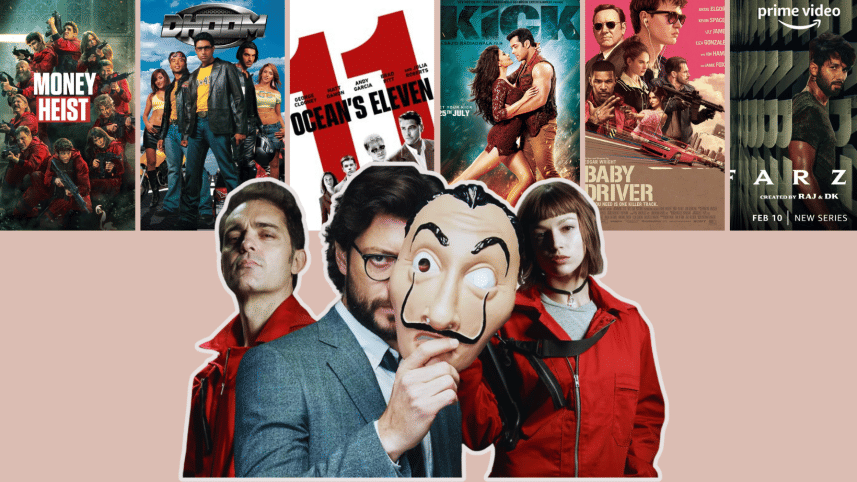
It is not every week that Paris wakes up to a headline straight out of a Netflix script. Last week's Louvre heist, €88 million worth of jewels gone in minutes, reminded us why heist stories captivate audiences. They are a blend of tension, intellect, and style: a world in which every move counts, every second is choreographed, and every character has a role that feels indispensable. We watch these stories not because crime is glamorous, but because clever planning and audacity make for irresistible cinema. So, in honour of the Louvre's latest unscheduled art exchange, here is a look at the films and series that defined, and refined, the art of the cinematic steal.
 For all latest news, follow The Daily Star's Google News channel.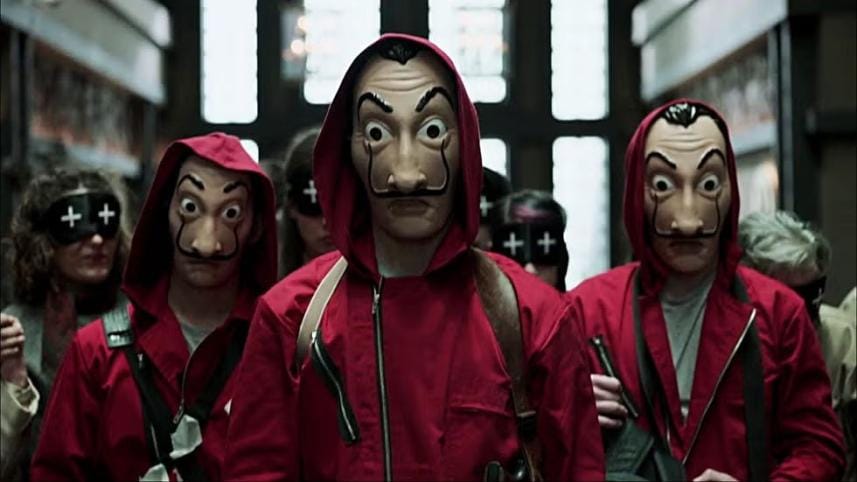
Money Heist
No heist conversation can start without "Money Heist", the Spanish phenomenon that turned red jumpsuits and Dali masks into global fashion statements. What began as a TV experiment in Spain became a Netflix empire, proving that subtitles were no barrier when rebellion was this well-styled. At its core, the show is a story about rebellion disguised as robbery. Led by the enigmatic Professor, eight misfits take over Spain's Royal Mint, printing their own ransom while the world watches in awe. It is a masterclass in tension and spectacle as every episode ricochets between emotional chaos and tactical genius. The characters are flawed, volatile, and deeply human. Across five seasons, what began as a criminal fantasy evolves into a commentary on control, capitalism, and collective identity. It is melodrama, but the kind that hums with purpose and a theme song you will never get out of your head.
Dhoom
The "Dhoom" franchise is India's longest-running love affair with speed, style, and moral ambiguity. Each film turns the act of stealing into an art form, and every thief into a pop icon. From John Abraham's sleek biker gang in the first film to Hrithik Roshan's shapeshifting thief in "Dhoom 2"and Aamir Khan's illusionist duo act in "Dhoom 3", the series keeps raising the stakes, not just in loot, but in spectacle. The chases are choreographed like dance sequences, the cities become characters of their own, and the cops exist mainly to admire how cool the criminals look while escaping. "Dhoom" built a world where crime comes with its own background score, and audiences did not just root for the robbers, they wanted to be them. And long before OTT thrillers, Bollywood had already mastered the art of stylish rebellion.
Ocean's Eleven
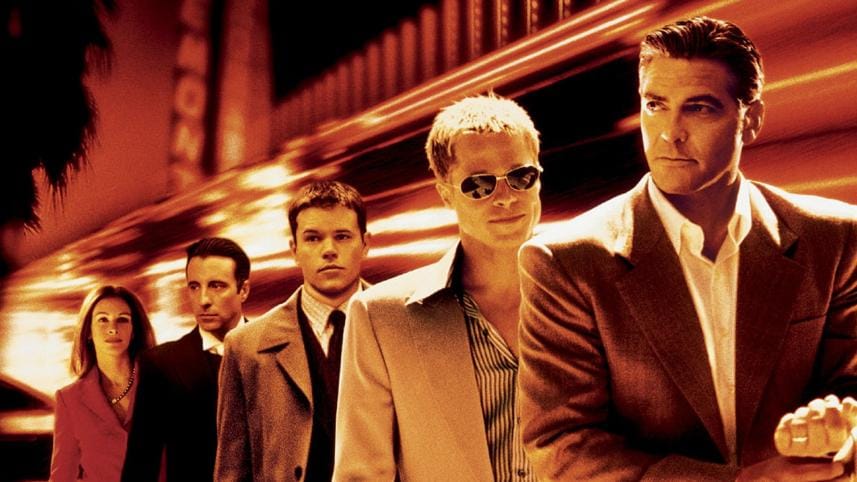
"Ocean's Eleven" is the quintessential caper film, where style meets strategy in the neon glow of Las Vegas. Danny Ocean, recently released from prison, assembles a team of eleven specialists to rob three of the city's largest casinos simultaneously. Beyond the technical brilliance of tunnelling into multiple vaults, the film thrives on character interplay. The heist itself unfolds like a carefully composed symphony, where misdirection, timing, and flawless teamwork are more important than brute force. Soderbergh's direction emphasises elegance and wit, from seamless transitions to clever camera angles that make you feel part of the heist. The narrative tension is not solely in the crime; but in Ocean's personal stakes and hence, the result is a heist that is equal parts thrilling and human, proving that successful theft is as much about psychology as mechanics.
Kick
"Kick" takes the heist genre and injects it with pure Bollywood adrenaline. Salman Khan plays Devil, a thrill-seeking thief who robs the rich not out of greed but out of sheer boredom. Every chase sequence feels like a physics-defying daydream with bikes flying through bridges, glass exploding in balletic slow motion, and explosions timed perfectly to his smirk. The plot threads morality into mischief: the thief is also a saviour, stealing from corruption to fund causes worth fighting for. But "Kick" is here not to moralise but entertain. It celebrates risk, excess, and motion and the idea that life's biggest rush lies in doing the impossible with style. Between the stunts, the swagger, and the soundtrack that practically thumps with confidence, "Kick" reminds us that sometimes the best heists are not about money at all.
Baby Driver
Edgar Wright's "Baby Driver" blends music, motion, and crime into a near-perfect cinematic rhythm. Baby, a young getaway driver with chronic tinnitus, relies on his carefully curated playlist to drown out the ringing in his ears while navigating high-stakes chases. He has partnered with a crew of criminals planning major heists, but his life takes a turn when he meets Debora, a waitress who offers a glimpse of normalcy and a reason to escape the criminal life. The central heist involves a robbery that goes disastrously wrong, forcing Baby to improvise at every turn. Beyond spectacle, the film explores loyalty, moral compromise, and the costs of living on the edge. The tension is amplified by Baby's desire to do right, juxtaposed against the chaos he must drive through. The emotional stakes elevate this beyond a conventional crime film to a symphony of suspense and heart.
Farzi
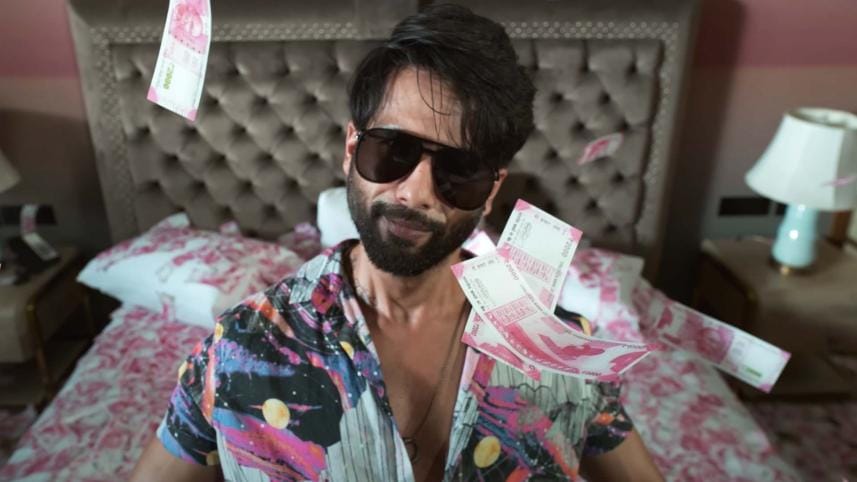
"Farzi" dives into the grimy, glittering underbelly of Mumbai's counterfeit economy through the eyes of Sunny, a struggling artist who finds that his greatest masterpiece is not a portrait, but a perfect fake currency note. He and his friend manage to build a printing empire that takes on the very financial system that failed him. What makes it compelling is how it modernises the idea of a heist because the grand plan is not to rob a bank but to quietly outsmart one, turning ink and paper into power. The heists are intimate, often improvised, and steeped in the tension of being one step ahead of collapse. The show's rhythm is electric because the scams unfold like startups, deals break like stock crashes, and the rush of risk feels dangerously addictive. And in a way, "Farzi" redefines the con as a clever, desperate hustle in a difficult economy.
Comments