


Indomitable, unrecognisable Tushi

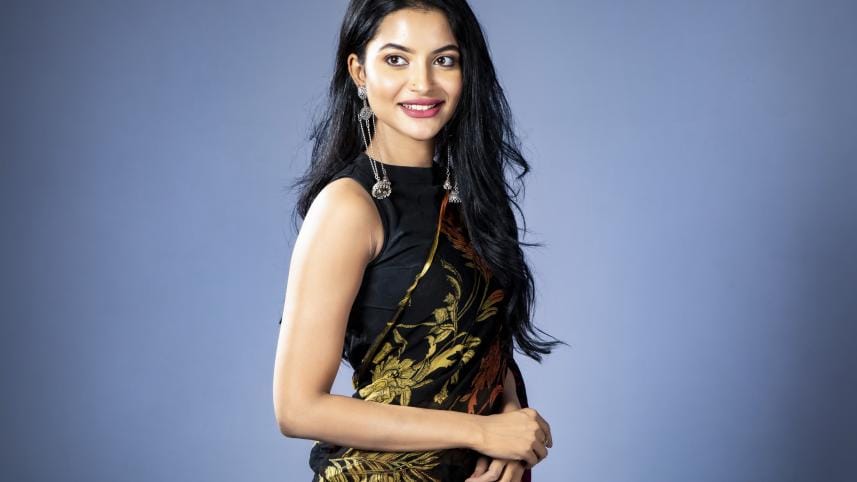
When the trailer of Mejbaur Rahman Sumon's "Roid" dropped, audiences witnessed a side of Nazifa Tushi they had never seen before. Messy, raw, and almost unrecognisable, she fully immerses herself in a character that doesn't even have a name. Her transformation has left fans buzzing on social media, praising her new look.
 For all latest news, follow The Daily Star's Google News channel.
 For Tushi, the response has been deeply fulfilling. "I'm honestly feeling so good that people are appreciating me," she says. "They're praising my look and reacting strongly to whatever they've seen of me in the trailer. Many people don't even recognise me, and that's mostly because of this character. For many, it feels unbelievable, and for me, it's truly a matter of joy and honor. All these feelings I'm getting are exactly what I wanted."

That reaction, she explains, is closely tied to a piece of advice she received early on. During rehearsals, the director told her, "If people can't recognise you, then you should feel that you've become the character." The words stayed with her throughout the process, guiding how far she was willing to go to fully inhabit the role.
The woman Tushi portrays is mentally unstable, a character that demanded intense observation and empathy. She drew inspiration from people she saw not only in Dhaka but also in remote border and rural areas—people living on the streets, struggling to survive. "That was my reference," she says. "Of course, it was very challenging."
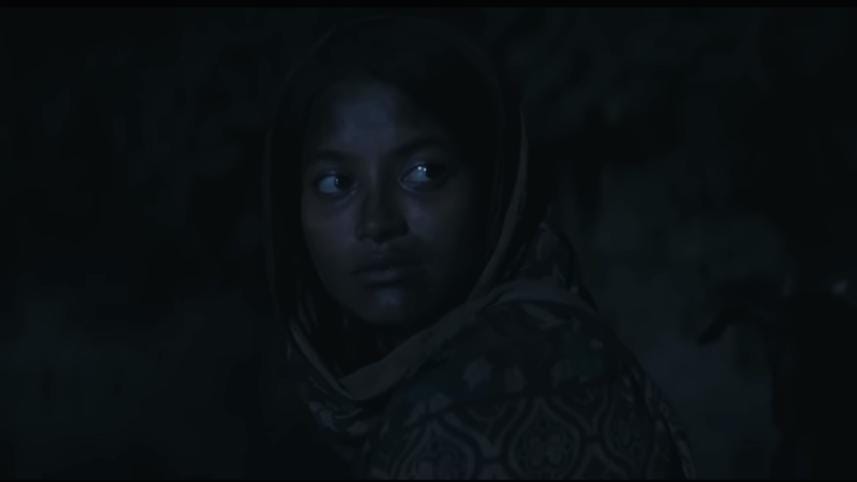
The transformation wasn't just emotional; it was a physical battle as well. As a female actor, Tushi notes, altering one's appearance comes with limitations. Men can rely on beards or facial hair, but prosthetics are not widely used in the local industry. "Many directors I work with avoid artificial enhancements altogether," she explains. "They don't believe in heavy makeup or adding extra hair. So, the challenge was to change myself, not decorate myself."
Even blending into the locations presented its own hurdles. "I'm a Dhaka city girl," she laughs. "When I first went to those locations, I looked like a cutout. The challenge was to blend in so completely that if ten local people stood together and I stood among them, everyone would look the same."
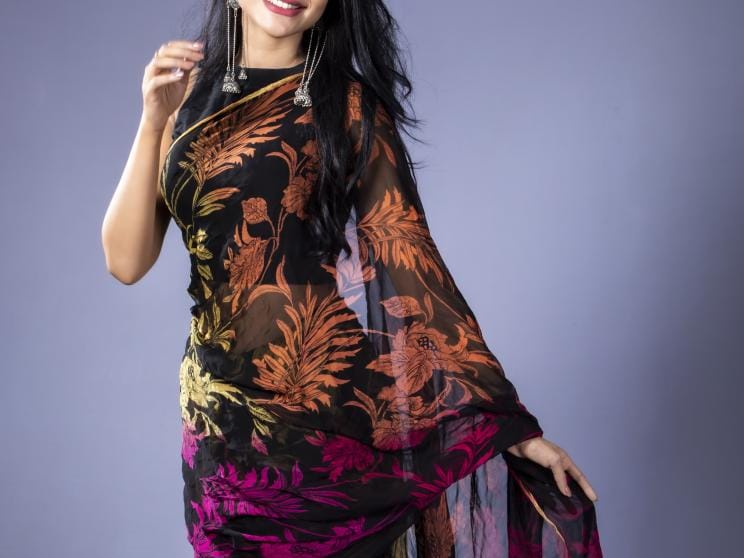
Her hair became an early battleground. A salon treatment just before filming left it unnaturally straight. "My first struggle was my hair," she recalls. "I had to ruin it." The process involved deliberately damaging and reshaping it to align with the character's rugged existence.
Traditional makeup was entirely abandoned for the role. Dust, sand, mud, and dirt became her tools. For nearly a year, and particularly during six to seven months of location shooting, she avoided cosmetics, shampoo, and even face wash. "I wanted my skin and hair to feel damaged," she says. "That struggle involved a lot of physical and mental pressure."
Yet the real test was psychological. Tushi didn't just act; she lived the character. She wore only the clothes her character would wear—purchased from roadside markets—choosing loose, unglamorous fits that erased any trace of her usual self. She walked barefoot on sharp stone roads, enduring the pain until her feet adapted. "Village people don't wear shoes," she explains. "They walk and even run on stones. I wanted to blend in with them."
The location itself became a home. Locals became family. "I ate at their houses, slept there," she recalls. "Even now, they call me. They miss me." For Tushi, merging with people and place is essential. "When I work, I try to mix completely with the people of that space. I forget myself."

Beneath the character's madness, there is a tender love story, a beautiful thread that will undoubtedly touch audiences. And beyond acting, the experience offered a lesson in creation, building a home in a no-man's land, planting trees, losing many, and celebrating when one survived. "It taught us how difficult it is to create life and space from nothing," she reflects.
The shoot itself was far from easy. The location, near the Indian border, is harsh. Stone breaking is a major livelihood there, and protecting the shooting area often brought conflict. Political unrest during July and August caused delays. "It was difficult," Tushi admits, "but it has been one of the most unique experiences of my life."
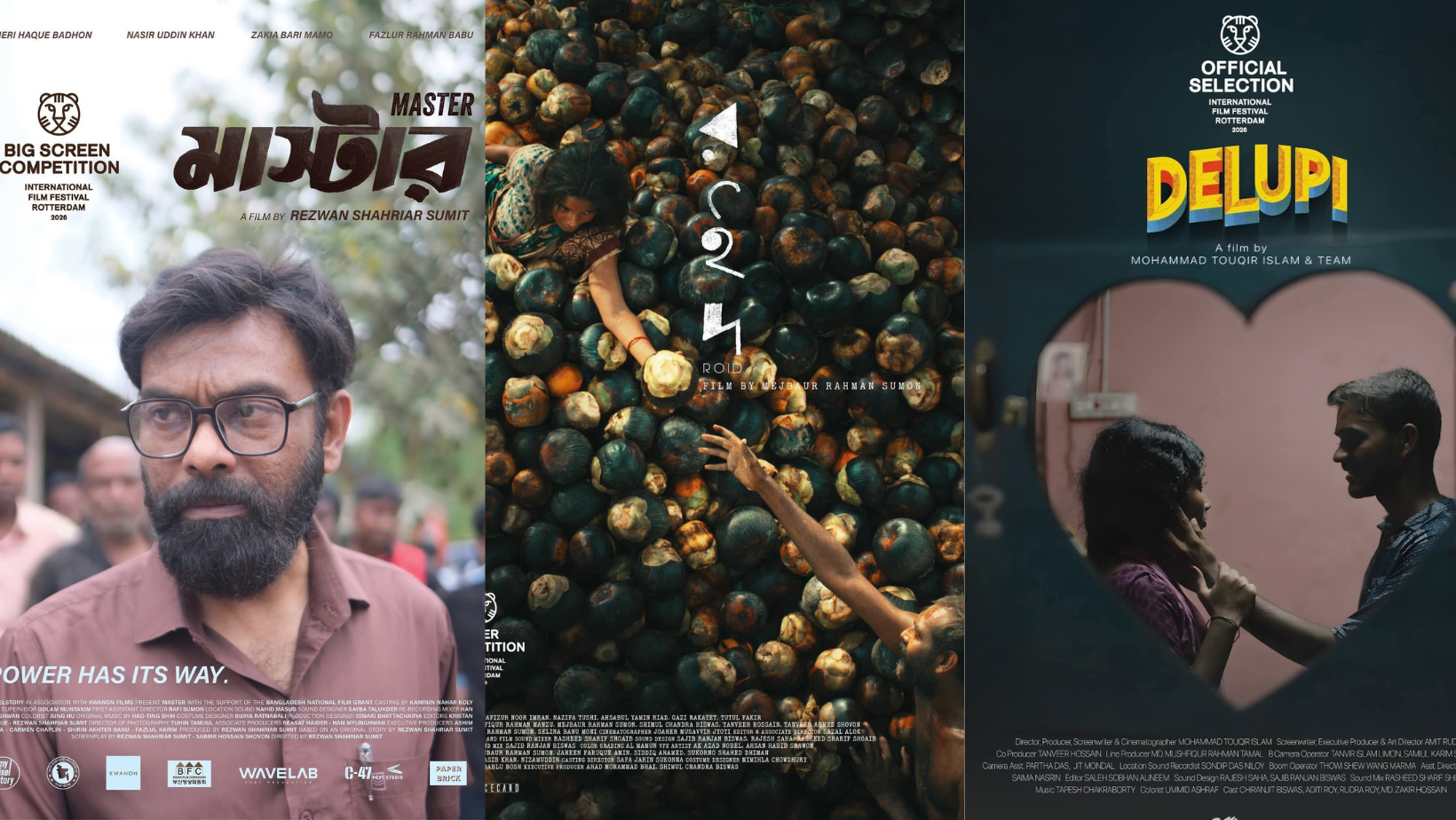
Portraying 'Sadur Bou' transported her into a world she had never known, reshaping her understanding of acting, immersion, and empathy. "For me and my team, it was extraordinary," she says.
Comments