


Veteran jatra artiste Milon Kanti Dey dies at 78
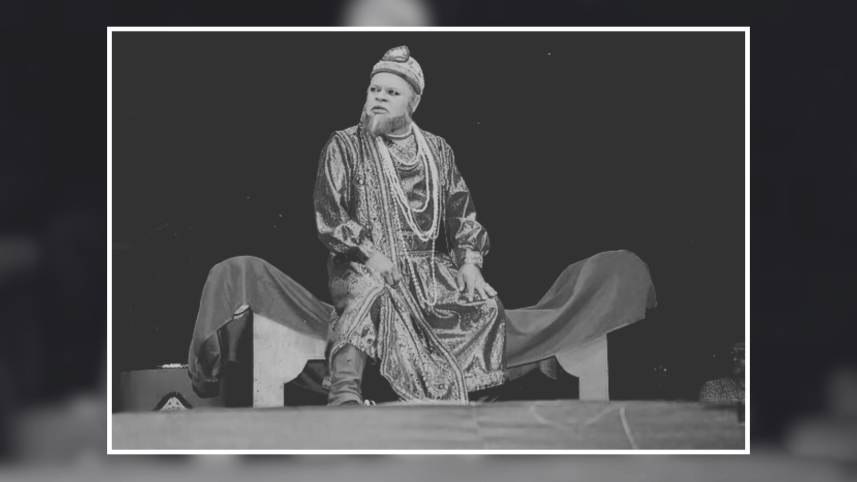
Veteran jatra artiste, director and writer Milon Kanti Dey, a towering figure in Bangladesh’s folk theatre, died on Saturday (February 7) at his residence in Kalishahar, Patiya upazila of Chattogram. He was 78.
The death was confirmed by researcher Aminur Rahman Sultan and Dey’s longtime assistant Ali Noor Hossain. According to them, Dey had been suffering from cancer and age-related complications for several years. His condition deteriorated sharply on Saturday morning, and he passed away at home at 3:25 pm. Funeral arrangements were to be decided by the family.
 For all latest news, follow The Daily Star's Google News channel.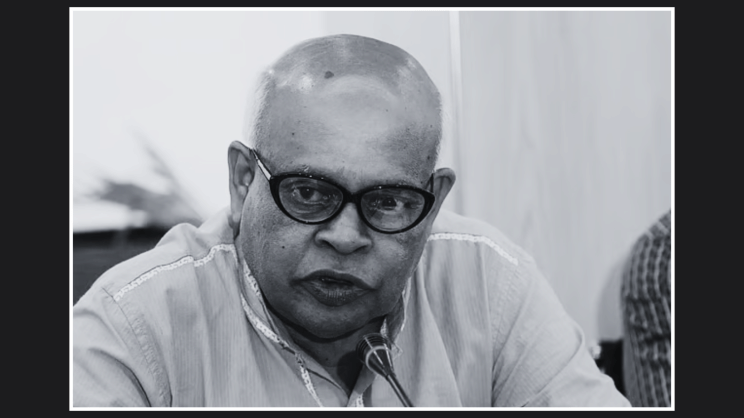
Born on September 1, 1948, in Chhanhara village of Patiya, Milon Kanti Dey began his acting career in 1966 and went on to become one of the most influential reformers of Bangladesh’s jatra tradition. Over nearly six decades, he directed more than 120 jatra productions and acted in over 151, leaving an indelible mark on both performance and dramaturgy.
Dey played a central role in modernising jatra pala, working consistently to make the form socially relevant while retaining its folk roots. He later served for a long period as president of the Bangladesh Jatra Shilpa Unnayan Parishad, advocating institutional recognition and professional dignity for jatra practitioners.
In 1993, he founded “Desh Opera”, a troupe widely credited with introducing new narrative structures, thematic depth and staging practices to traditional jatra at a time when the form was facing cultural and commercial decline.
Alongside his work on stage, Dey was also an educator, serving as a jatra instructor at several universities, where he trained younger performers and helped bridge folk performance with academic theatre studies.

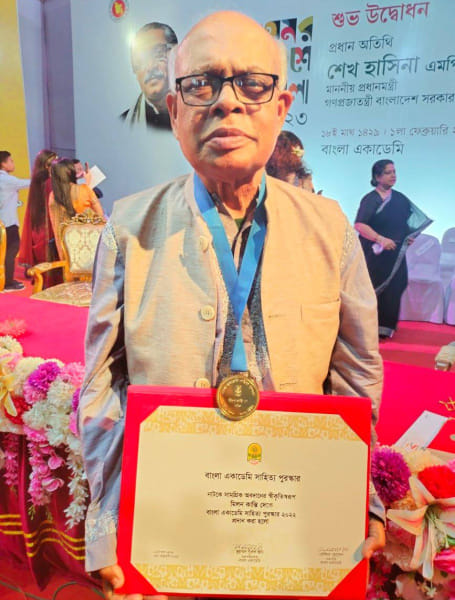
His contributions received national recognition with the Bangla Academy Literary Award in 2022. In 2023, the Bangladesh Shilpakala Academy honoured him with the Jatra Artiste Award, acknowledging his lifelong commitment to the art form.
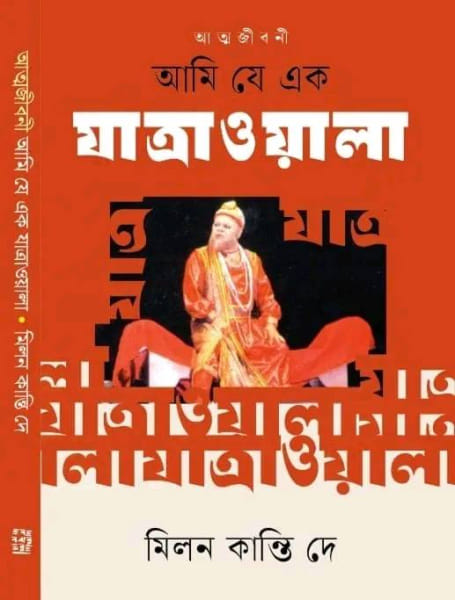
In 2024, Dey published his autobiography, “Ami Je Ek Jatrawala”, documenting his long journey through jatra and the struggles of sustaining folk theatre in changing times. The same year, Bangla Academy released a compilation of his works titled “Nirbachita Jatrapala” at the Ekushey Book Fair.
Another book—“A Brief History of Jatra and Celebrated Heroines”—is awaiting publication by Nabanna Prokashoni. Days before his death, Dey shared the book’s cover on social media, writing that it might be his final work and seeking prayers from readers—a post that has since taken on a poignant resonance.
Milon Kanti Dey’s death has cast a pall over Bangladesh’s cultural community. Colleagues, theatre practitioners and cultural activists have remembered him as a disciplined reformer who helped sustain and reimagine one of the country’s oldest theatrical traditions.
Comments