


The art of being alone in public

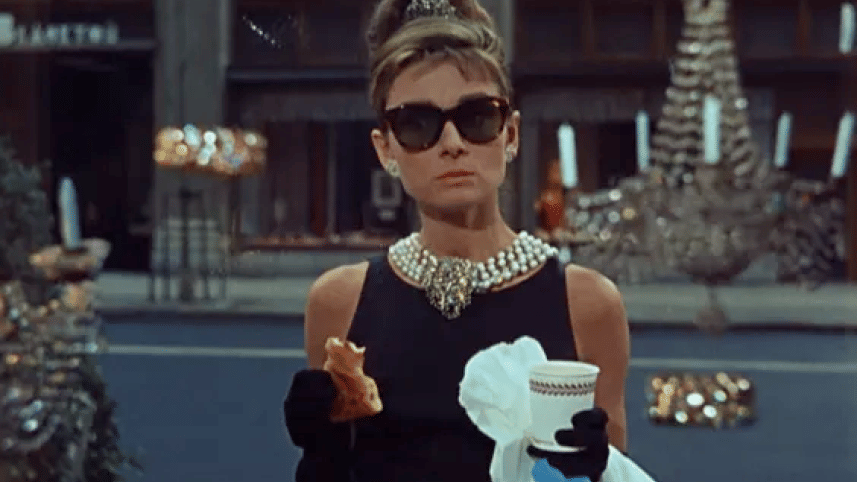
Based on Truman Capote’s 1958 eponymous novella, "Breakfast at Tiffany’s" (1961) is more a cultural inheritance than a movie.
The announcement that Lily Collins, known for her role in and as "Emily in Paris" will portray Audrey Hepburn in a forthcoming film about the making of "Breakfast at Tiffany’s" has reopened not merely a cinematic conversation, but a cultural reckoning.
 For all latest news, follow The Daily Star's Google News channel.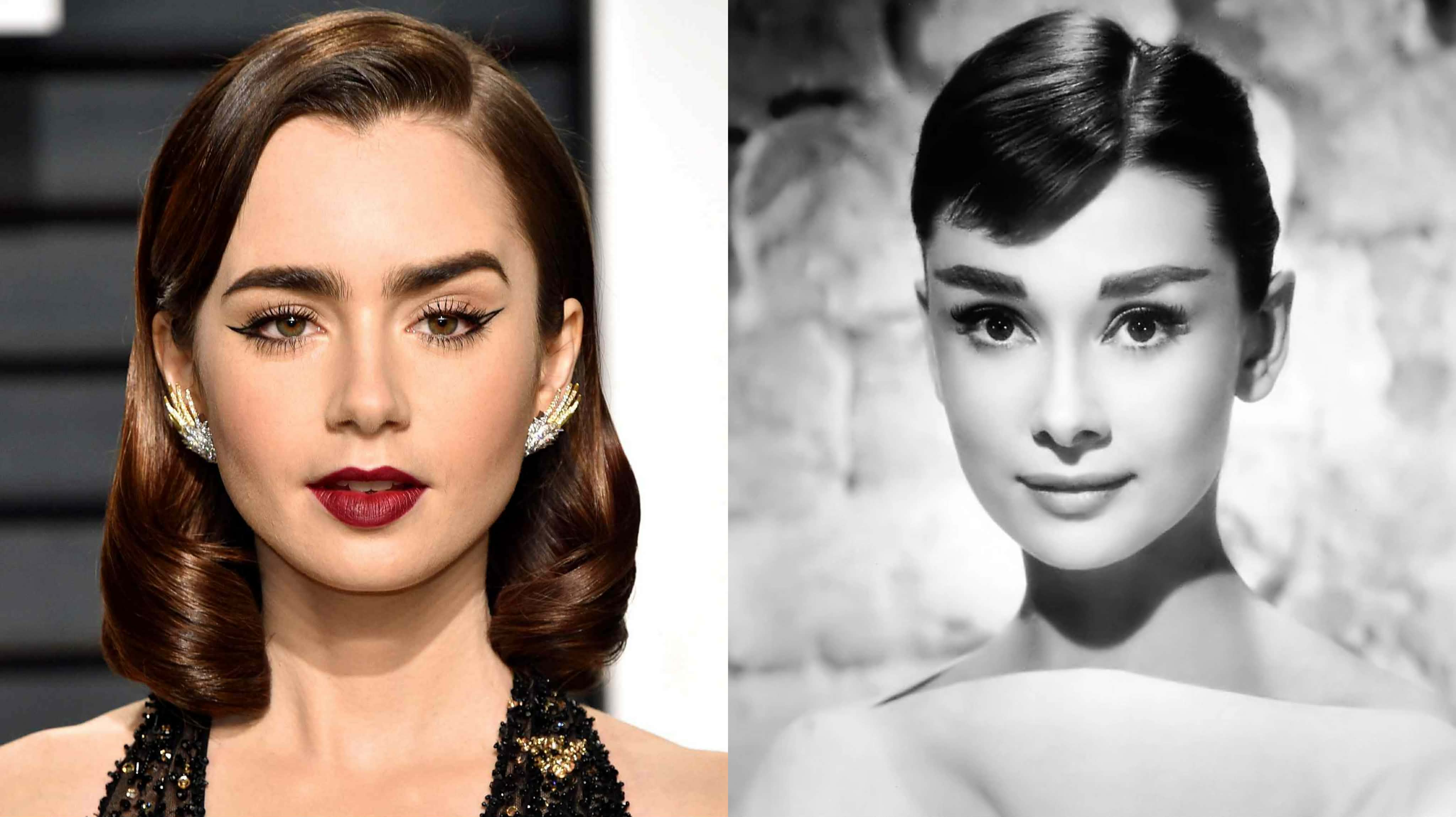
The project, adapted from Sam Wasson’s definitive chronicle of the film’s creation, promises to excavate the fragile alchemy that transformed a modest romantic drama into an enduring myth of modern womanhood, according to Variety.
Yet to speak of "Breakfast at Tiffany's" merely as a film is to misunderstand its scale.
Holly Golightly and the gleam of grace
Protagonist of the movie, Holly Golightly was not a character so much as a new emotional vocabulary.
When Hepburn stepped onto Fifth Avenue in the early morning light, clad in black silk and hunger, she embodied something entirely novel -- a woman who was neither victim nor heroine, but an architect of her own myth.
She was elusive, economically precarious, emotionally armoured, and yet defiantly self-invented.
This ambiguity was revolutionary.
Sam Wasson’s research argues that the film altered prevailing notions of sexuality, independence, and identity, capturing an America on the brink of social transformation, according to Elle.
Holly Golightly did not merely inhabit New York. She invented a version of urban existence defined by self-curation and emotional distance.
Tiffany’s, in this emotional cartography, became less a jewellery store and more a psychological refuge.
In that sense, "Breakfast at Tiffany’s" anticipated the modern urban condition decades before it acquired a name -- the art of being alone in public.
The ensemble that conquered time
Cinema occasionally produces garments that transcend fabric and become scripture. Hepburn’s black Givenchy dress is one such artefact.

Designed by Hubert de Givenchy, the dress has been widely described as one of the most iconic items of clothing ever created, even fetching nearly £467,200 at auction decades later.
The dress did something extraordinary. It democratised glamour.
As fashion historians note, the film’s visual language made urban sophistication appear both aspirational and attainable, allowing audiences to project themselves into Holly’s aura of mystery.
It is no exaggeration to say that modern fashion’s obsession with minimalism, silhouette, and restraint owes a profound debt to that morning on Fifth Avenue.
Tiffany blue
Some films leave behind quotations. "Breakfast at Tiffany’s" left behind a colour.
The pale robin’s-egg shade known as Tiffany Blue had existed before the film. But afterwards, it ceased to be merely a corporate signature. It became an emotional register.
Association between Tiffany’s and aspirational refinement long predated Hepburn, but her appearance wearing the legendary Tiffany Diamond and gazing into the store’s windows cemented the brand as a global symbol of desire, social ascension, and aesthetic perfection.
Cinema’s most influential silhouette
The enduring visual of Hepburn in oversized sunglasses, cigarette holder in hand, hair sculpted into a high chignon, has been called one of the most iconic images in the history of American cinema.
It infiltrated everything. Fashion editorials. Advertising campaigns. Comic book character design.
Even cinematic archetypes such as Catwoman borrowed from the silhouette Hepburn perfected.
This visual lexicon established the grammar of modern glamour -- angular, composed, quietly sovereign.
More importantly, it established the aesthetic of the independent woman.
Holly Golightly was dressed for herself.
The paradox of aspiration
"Breakfast at Tiffany’s" endures because it understands something unsettling about human desire.
Tiffany’s itself, within the film, is not wealth. It is safety. Holly explains that it is the one place where nothing bad can happen. This is not materialism. It is emotional survival.
The film captured the postwar tension between economic aspiration and existential uncertainty.
Holly Golightly exists in a fragile equilibrium between performance and vulnerability.
She is always one misstep away from collapse, and yet she persists, beautifully.
Eternal appeal of Audrey Hepburn
Audrey Hepburn did not simply portray Holly Golightly. She absorbed her, refined her, and returned her to the world as an ideal.
"Breakfast at Tiffany’s" solidified Hepburn’s position not merely as an actress, but as a global symbol of elegance, autonomy, and emotional intelligence.
Her appeal transcended beauty. It resided in restraint, vulnerability, and self-possession. She represented a version of femininity that was not ornamental, but existential.
It is this intangible quality that Lily Collins now inherits.
The decision to cast Lily Collins is not accidental. Collins herself has long been associated with Hepburn’s aesthetic lineage, possessing the same finely drawn features, fragile strength, and carefully composed vulnerability.
More importantly, the project arrives at a moment when modern culture is once again negotiating questions of identity, autonomy, and self-invention.
Comments