


How living abroad changes your relationship with food
Abundance often creates entitlement, especially when it comes to food. While living under our parents’ roof, many of us grow nitpicky; some sneer at the sight of vegetables, others complain when the lunch and dinner menus are the same, and a few expect a steaming buffet of home-cooked dishes three times a day. However, the moment we step far away from home, the real world forces us to confront everything we once took for granted. Often treated as an afterthought, food becomes one of the most significant and unexpected aspects of culture shock for those living abroad.
The realisation often comes through the most minuscule details. Whether it's the texture of rice or the blend of spices, one suddenly becomes hyperaware of how “foreign” even the simplest foods taste. Cha becomes tea, and you spend the extra ten minutes boiling tea bags to recreate the strong, fragrant aroma of cha that reminds you of Bangladesh. Since childhood, many of us grow tired of the familiar bhaat, daal, and lebu combination, yet once deprived of the flavours of home, we begin to crave what we once wrinkled our noses at.
 For all latest news, follow The Daily Star's Google News channel.
 Farhanul Azim, a Bangladeshi student studying at the University of Texas at Arlington, shared the same sentiment: “I managed to cook the basics after three months of living in the US—rice and beef curry. When I invited a fellow Bangladeshi student to share the meal with me, he looked as though he was on the verge of tears. It had been many months since he’d tasted homemade food.”
Distance has a way of turning indifference towards our everyday bites into longing. It also has a way of pushing people towards independence in all aspects, even learning the intricacies of cooking. There’s also a familiar scene: parents answering midnight calls from children overseas, trying to perfect recipes that no YouTube tutorial seems to get just right.
The struggle isn’t just in cooking; it’s also in sourcing ingredients. Stores selling Bangladeshi staples are rare, and the few that exist charge marked-up prices to offset import fees. And so, the humble lentil or spice you once overlooked becomes a small luxury worth seeking out. So, relish the BDT 30 chanachur served on newspaper scraps or random exam scripts while you can; soon you’ll be paying threefold for a small bag of it shipped from across the ocean.
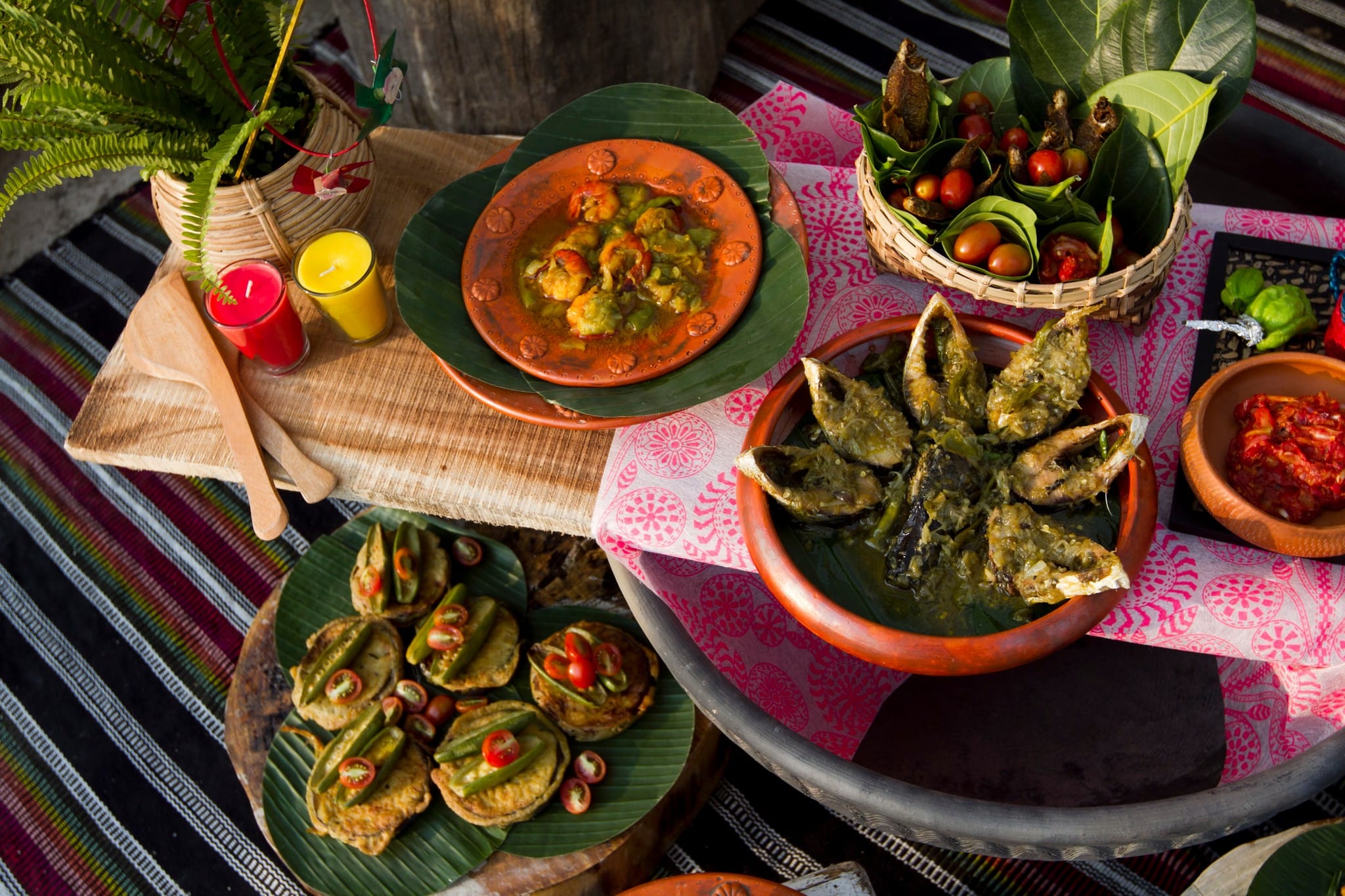
Even something as routine as meat can become a struggle. Halal meat, so easily found at home, is often scarce overseas. Students spend hours hunting speciality stores, paying premium prices, or ordering online, learning that cooking a proper curry involves more than just spices.
Another challenge for individuals living away from home is navigating Ramadan away from family. Sourcing meals, along with juggling university or work life that doesn’t accommodate iftar hours, can be difficult and time-consuming. In many parts of the world, mosques play a hospitable role in hosting free iftars during Ramadan, offering worshippers and workers who are fasting dates, drinks, and full meals. These initiatives are supported by mosque charities and volunteers to help people save time and money, especially those far from home.
How Bangladeshi students abroad meet their deshi food cravings
When I first arrived in the US, I avoided attending dawats at the homes of close relatives. But over time, I began to miss home, especially our food. One Eid, I accepted an invitation to a family friend’s house, and it turned out to be one of the best decisions I ever made. The biryani, mutton, eggplant, and beef they served reminded me of home. After that, I never skipped a dawat. And the best part was when my hosts kindly packed some of the leftovers for me.
- Riaz Mahboob, a graduate of University of Texas at Austin, USA
Living in Canada as a Bangladeshi student, my strongest feeling of homesickness is tied to food. Some evenings, I crave the rich spice of biryani or the comfort of warm khichuri like we have back in Dhaka. I visit local deshi restaurants or cook with friends, filling the kitchen with familiar aromas, but it’s never quite the same. However, in every bite, I feel closer to home, like Bangladesh is never too far away.
- Nishat Jahan, University of Waterloo, Canada
I prefer to cook deshi meals at home. I don’t eat outside often because I think it’s overpriced. The biggest issue of Bangladeshi restaurants in my area is that they cater their spice level to that of British people. Some things do not taste as good unless they are a bit spicy.
I have also gotten good at cooking the basic dishes like chicken curry, daal, alu bhorta and bhaji. After many attempts, I was finally able to make daal that tasted like my mom’s. I cried while eating it.
- Maleeha Muniyat, University of Portsmouth, UK
In the United Kingdom, the East London Mosque and London Muslim Centre provide free iftar accommodations during Ramadan to students, refugees, and others in need. On some days, they serve over 800 people, and outside of Ramadan, they also run food bank programmes to support vulnerable families.
As challenging as it is to find halal food abroad, Bangladeshi cuisine is also deeply under-represented in the Western world. Lost in translation and buried under Indian or generic South Asian labels, Bangladesh’s rich culinary heritage is reduced to biryani, samosas, and an oversimplified label of “curry”, erasing the depth of its flavours. While Bangladeshi culture often finds visibility through crafts, films, or tourist imagery, food remains an overlooked archive of tradition; it carries stories and remembrance and deserves far greater recognition.
Tasnuva Tabassum, a programme manager at Google and the creator of her Instagram food blog BanglaCook_US, shares her experience as a Bangladeshi living in California: “After 16 years living outside of Bangladesh, I’ve realised that the dishes I used to see as 'ordinary' are actually treasures. My memory will randomly trigger a craving for something simple—like lal shaak or lau—and suddenly I’m on a total scavenger hunt for replacement ingredients. It’s funny how a stir-fried spinach dish from my childhood can send me across three different grocery stores just to get the flavour exactly right.”
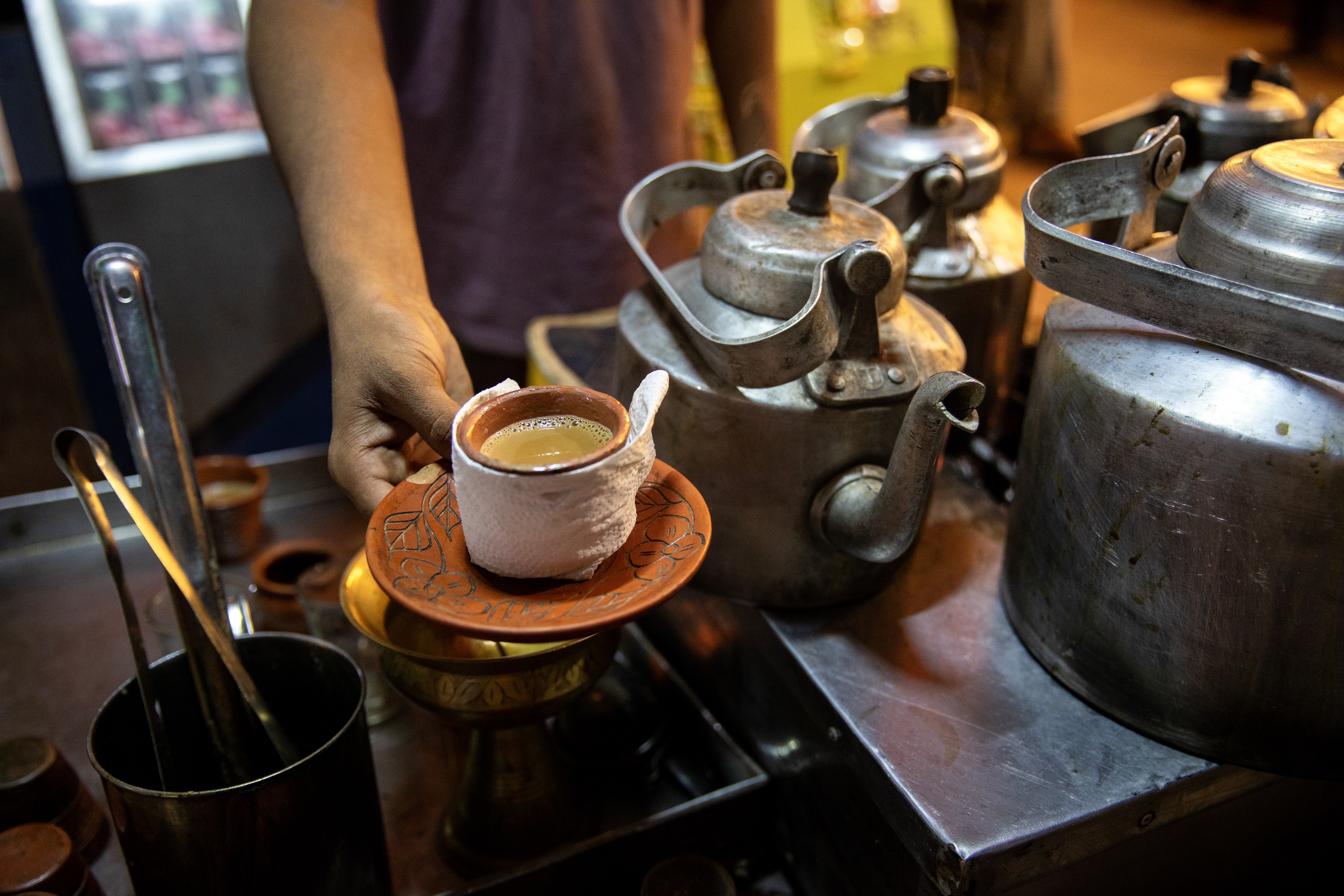
As there’s a plethora of Indian and Middle Eastern restaurants strewn all across the world, non-Bangladeshis are naturally more familiar with those flavours. In comparison, there are very few establishments known to serve authentic Bangladeshi food. In recent times, however, efforts are being made by newer generations to bring a change.
To introduce Bangladeshi culinary traditions to her community, Tasnuva started hosting tasting menus at her home. “I felt it was a disservice to our heritage to see our flavours 'hiding' rather than standing proud. This prompted me to start hosting Bangladeshi tasting menus at my home in California. By sharing the stories and childhood roots behind every dish with my guests, I want to show that our food isn't just a subset of something else—it's a unique, historical fusion of global influences that deserves its own identity and its own spotlight.”
Building on efforts like Tasnuva’s tasting menus, social media has also vibrantly become a space where our cuisine is reclaiming its voice. Platforms like Spice Bangla, Spicy Bengali Bites, and many other Bangladeshi food vloggers on YouTube and Instagram have introduced global audiences to dishes rarely seen on restaurant menus abroad. These creators do what Western food spaces often fail to do: they show Bangladeshi food as it is lived and eaten, not watered down or rebranded for convenience.
In the European food scene, a Stockholm-based Bangladeshi chef offered insight into introducing Bengali cuisine to Western audiences. Nahid Hassan, owner of the restaurant chain “Shanti”, began his journey with the goal of bringing Bangladeshi culture and food into the mainstream.
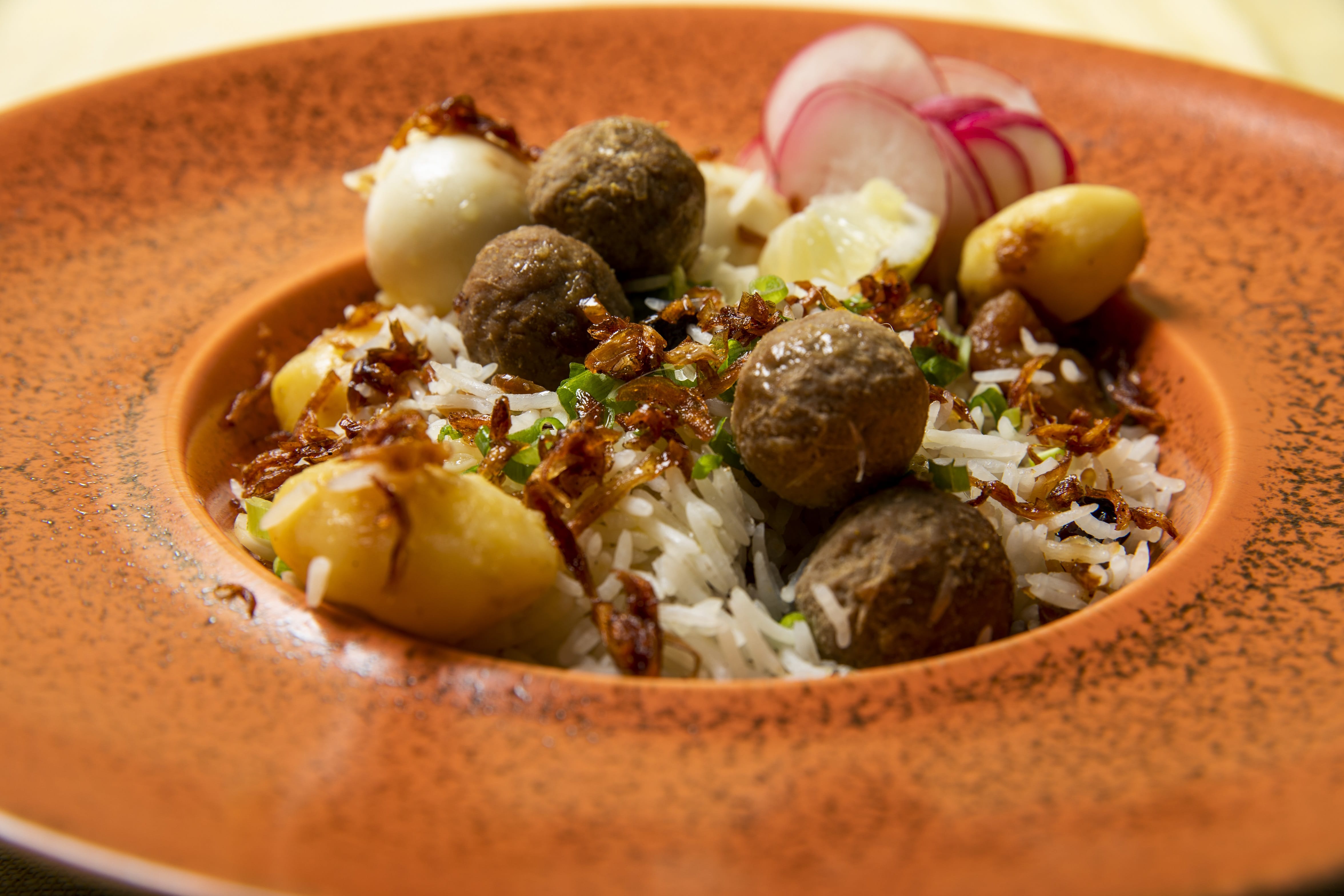
“The Swedes accept our cuisine with enthusiasm—even the spice,” Hassan said. “The first thing I introduced my guests to was our authentic daal, then fuchka and chotpoti, because I miss the street food of my home country. I also introduced halim. These are simple foods, but my guests loved them.”
Reflecting on his bond with native cuisine, Hassan added, “There are raw emotions attached to Bangladeshi food. I don’t critique Indian food—they have great food—but we feel a particular sentiment with our spices and the flavour of shorisha. After I started my journey, more Bangladeshis felt inspired to open their own restaurants, including several in Stockholm.”
Hassan’s work goes beyond food alone; it extends to crafting a cultural experience for first-time diners. In one of his restaurants, “Gossip”—named after the mischievous spirit of a Bangladeshi adda—sounds of Dhaka’s traffic play along the path to the restrooms: the chime of rickshaw bells, the impatient car honks, and the never-ending bickering and buzz of the city. While the chaos feels oddly therapeutic to Bangladeshis, it offers a strikingly new experience for those unfamiliar with the country’s energetic streets.
Living away from Bangladesh also highlights the generational gap in how we see and cook our food. First-generation immigrants, those who moved as adults, carry recipes like a kind of memory. For them, cooking isn’t just about feeding a family; it’s about preserving home. A pinch of turmeric, the exact simmer for lentils, the hearty smell of mustard seeds popping in oil—they know it by instinct. In a foreign kitchen, every dish becomes a way to hold onto tradition, to bring a little piece of Bangladesh into a new world.
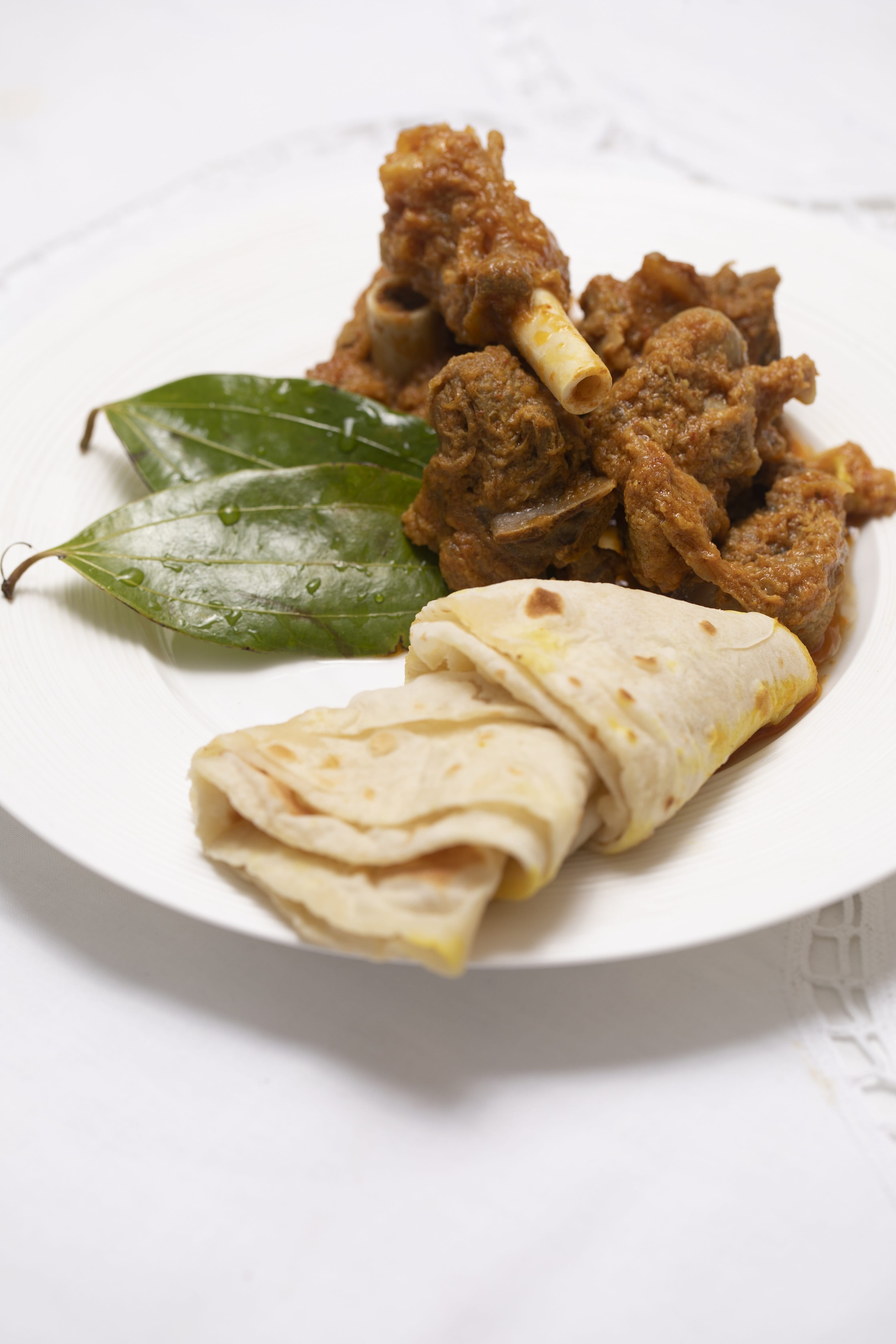
Students and younger generations, on the other hand, often experience a more fragmented relationship with these flavours. Moving from the country at a younger age, they learn to navigate kitchens and markets that don’t cater to their tastes. Many relearn recipes through trial-and-error or end up curating a fusion of whatever is at hand. There’s a tension between convenience and authenticity: a store-bought curry paste or online ingredient substitute can never fully match the home-cooked original.
So, food not only bridges the gap among nationalities but also between generations. Parents preserve recipes as a way of keeping their culture alive, while children relearn them as an act of identity reclamation.
Although Dhaka serves as the central hub for food variety, other regions also play a substantial role in contributing to the diversity of the Bangladeshi culinary landscape. Each division has its own speciality: the seasonal pithas and the different ways of preparing curries or rice, from regional fish dishes to slow-cooked meats and sweets rooted in local produce and tradition. All this diversity is often flattened into the vague label of “Asian food”, a category that barely begins to capture the depth of our cuisine. Living overseas makes this erasure more noticeable; it encourages a deeper appreciation for the nuances and richness that are often overlooked.
Distance, in that sense, reshapes our relationship with food. What once felt ordinary begins to carry weight, turning everyday dishes into markers of memory and nostalgia. There’s also art in sitting at the dining table together as a family: the cacophony of cutlery and the chatter of everyone sharing little moments of their day, surrounded by the comforting clutter of home-cooked meals that one must cherish. Distance does make the heart grow fonder: for warm food, warmer company, and everything you leave behind.
Reference:
ABNA English. 2023. London mosque serves over 800 Iftar meals a day in Ramadan.
Zara Zubayer is a half-pianist, occasional grandma (she knits), and collector of instruments she never learns. Suggest a new hobby she won’t commit to at zarazubayer1@gmail.com.