


Why restricting use of IPO proceeds misses the real problem
30 November 2025, 18:00 PM
The Bangladesh Securities and Exchange Commission (BSEC) recently released its draft rules for initial public offerings (IPOs), which propose a strict prohibition on using IPO proceeds to repay loans. The draft also introduces several other controls over how companies may deploy funds raised from the public. These rules raise a key question about the appropriate level of flexibility companies should have when allocating capital raised from shareholders.
30 November 2025, 18:00 PM
Open-ended mutual funds can rebuild capital market trust
18 November 2025, 18:00 PM
Mutual funds play a vital role in modern capital markets. By pooling savings from thousands of small investors and investing them in diversified portfolios of stocks and bonds, they help make the market more efficient, liquid and stable. For ordinary investors, mutual funds offer a simple way to take part in the market without having to research or monitor individual securities.
18 November 2025, 18:00 PM

Why our financial sector lags behind the real economy
14 October 2025, 18:00 PM
Bangladesh’s economy presents a striking contrast. Its markets for real sector products such as consumer goods, construction materials, pharmaceuticals, and real assets like land and apartments are relatively robust, with their share of GDP comparable to peer countries.
14 October 2025, 18:00 PM
Let the market decide IPO prices
24 September 2025, 18:00 PM
For decades, Bangladesh's capital market has been trapped in a policy mistake of its own making: regulators, not the market, have set the prices of initial public offerings (IPOs).
24 September 2025, 18:00 PM
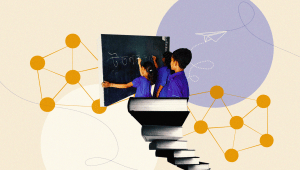
Can decentralisation improve primary school outcomes in Bangladesh?
26 July 2025, 02:00 AM
Effective schools and learners through decentralised governance may make a difference in primary school education.
26 July 2025, 02:00 AM
Between bullets and borders Fleeing the Rajshahi massacre
25 March 2025, 18:00 PM
I was in a deep sleep in my room when a loud, relentless pounding on the door jolted me awake.
25 March 2025, 18:00 PM
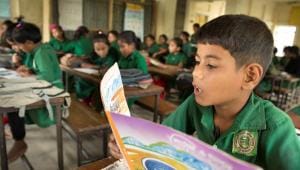
Whom does education serve in Bangladesh?
28 October 2024, 02:00 AM
To serve the purpose of education, meeting the parents' demands through focusing on learning outcomes and reforming the education system are the need of the hour.
28 October 2024, 02:00 AM
Opinion / An education memorandum
10 September 2024, 02:00 AM
The interim government has to decide guidelines for the minimum reform targets to achieve, and where to begin.
10 September 2024, 02:00 AM
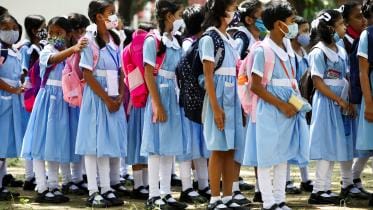
Education for most Indians is still a ‘bust.' What about Bangladesh?
In Bangladesh, the government could call on the Directorate of Primary Education (DPE) to change the system of remunerating government schoolteachers.
31 July 2023, 02:00 AM
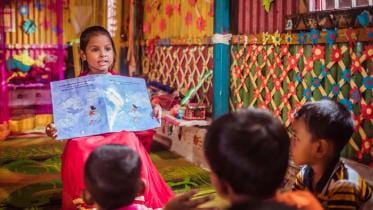
Bridge schools: A local solution to a global problem
In its latest education intervention, Bridge school has strived to improve the five elements required in any working education system.
13 July 2022, 14:00 PM
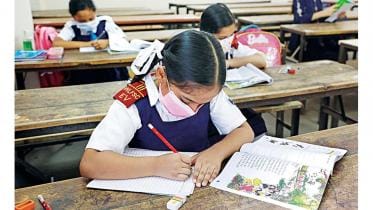
Politics of School Examinations
In 2009, the government introduced the Primary Education Completion Examination (PECE), a mandatory test for grade 5 students to certify completion of the primary cycle.
7 May 2022, 18:00 PM
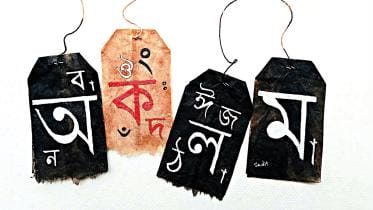
The pervasive problem of linguistic discrimination
We did not fight against any language, not even Urdu. Our language movement was a fight against a ruler of a ruled nation. Language itself has no power to exploit others.
20 February 2022, 18:00 PM
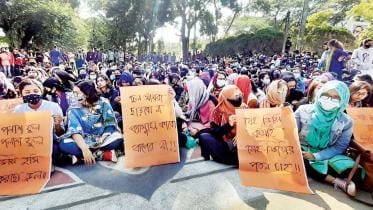
The unenviable camaraderie of public university vice-chancellors
I see—and perhaps others do, too—some lights at the end of the tunnel. Reportedly, 35 public university vice chancellors have expressed their willingness to resign from their posts if the controversial Vice-Chancellor Farid Uddin Ahmed of Shahjalal University of Science and Technology (SUST) has to resign.
26 January 2022, 18:00 PM
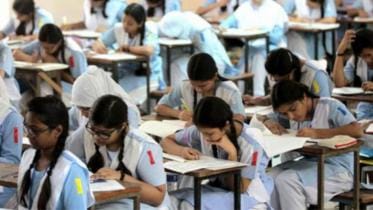
Reforming education, keeping the promises
Bangladesh is the youngest nation among its South Asian neighbours. Its war of independence against Pakistan started with a massive revolt by Bangladeshis from all walks of life—but without the necessary arms and trained soldiers to fight against Pakistan’s professional military forces.
27 March 2021, 18:00 PM
Our children are in school, but can they read?
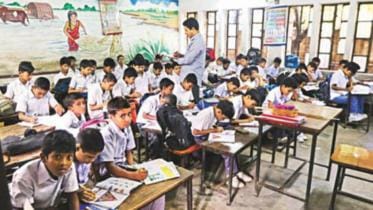
Bangladesh can celebrate the International Literacy Day with pride. Since 2000, we have significantly increased enrolment and now nearly all children of an age to be in an early primary grade are in school.
13 September 2017, 18:00 PM