


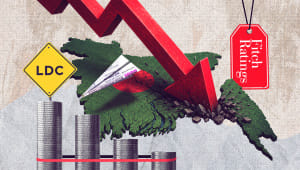
Fitch’s negative outlook and how we can navigate the storm ahead
19 May 2026, 09:00 AM
Recently, Fitch Ratings observed that Bangladesh’s economic risks have increased, prompting a downgrade of the country’s sovereign outlook from “stable” to “negative.”
19 May 2026, 09:00 AM
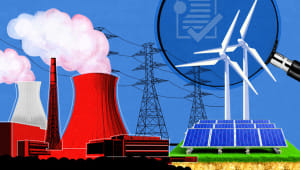
Advancing Bangladesh’s energy sovereignty for a resilient future
5 May 2026, 09:00 AM
Over more than five decades, Bangladesh has progressed reasonably well in socioeconomic terms compared to many of its peers among the least developed and developing countries.
5 May 2026, 09:00 AM
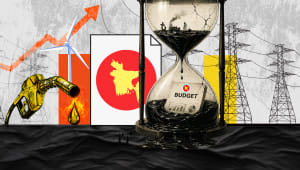
Energy crisis demands strict budget discipline now
29 April 2026, 08:00 AM
The ongoing geopolitical tensions involving the US, Israel, and Iran have again exposed how vulnerable the international energy markets are to conflicts and strategic rivalries.
29 April 2026, 08:00 AM
IMF-World Bank Spring meetings 2026 reveal limits of multilateralism in turbulent times
21 April 2026, 08:00 AM
The 2026 Spring Meetings of the International Monetary Fund (IMF) and World Bank Group took place from April 13 to April 18 amid ongoing geopolitical tensions, persistent inflation, and slowing growth.
21 April 2026, 08:00 AM
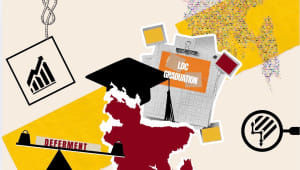
Even if deferred, Bangladesh must prepare for eventual LDC graduation
14 April 2026, 09:00 AM
Unless the government’s request for deferment is granted, Bangladesh is set to graduate from the Least Developed Country (LDC) category in November this year.
14 April 2026, 09:00 AM

How Bangladesh can manage fuel shocks for economic stability
31 March 2026, 08:00 AM
For households, the most effective immediate measure would be to offer income protection to the most vulnerable by reallocating existing budget priorities and, where possible, partly through external aid.
31 March 2026, 08:00 AM

Why Bangladesh needs a balanced energy security strategy
17 March 2026, 00:41 AM
The global energy market is again in turmoil, this time because of the US-Israel war in Iran.
17 March 2026, 00:41 AM

Symbolic progress can only take women’s empowerment so far
10 March 2026, 00:18 AM
Observed for over a century, the International Women’s Day (IWD) is more than just a celebration; it is about recognising women’s accomplishments and reflecting on progress towards achieving gender equality.
10 March 2026, 00:18 AM
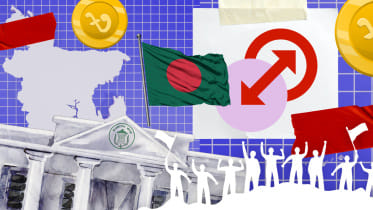
Bangladesh Bank’s independence and the politics of transition
Many expected Dr Ahsan H Mansur to complete his full term, till August 2028.
3 March 2026, 00:00 AM

Deferring Bangladesh’s LDC graduation and the road ahead
In November last year, Bangladesh confirmed that it continued to meet all three LDC graduation criteria and remained on track for graduation in November 2026 despite economic shocks.
24 February 2026, 00:00 AM
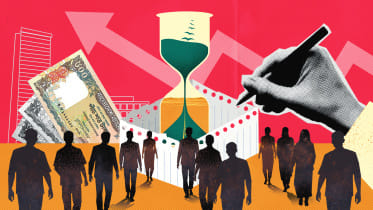
What BNP should keep in mind as it assumes power
The election came after years of severe distrust in the electoral process, questions over legitimacy, and institutional strain, so the poll’s successful conduct has reinforced trust in the process as well as the principle that governments derive authority from the consent of the governed.
17 February 2026, 00:00 AM

Can election manifestos deliver on economic pledges?
Bangladesh’s GDP in the fiscal year 2025 was $461.63 billion. If the country aims to reach a $1 trillion economy by FY2034, the economy would need to more than double over nine years.
10 February 2026, 00:00 AM

A tough fiscal test awaits the next government
The incoming government will have to make austerity a top priority at the leadership level for fiscal consolidation. Enhancing accountability mechanisms is essential to improving expenditure efficiency. Parliamentary oversight of public funds must be strengthened.
3 February 2026, 00:28 AM
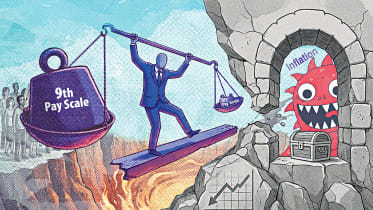
Can we afford such a steep public-sector pay hike?
The Ninth National Pay Commission formed by the interim government recently recommended a salary increase for government employees in the range of 100-142 percent.
26 January 2026, 23:57 PM

What Bangladesh and the Global South face
The Global Risks Report 2026, published by the World Economic Forum (WEF), presents some of the stark realities of the world today.
21 January 2026, 11:30 AM
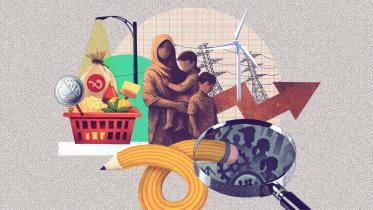
Three economic priorities for the upcoming political government
The upcoming parliamentary election, scheduled for February 12, is of exceptional political and economic significance for Bangladesh.
13 January 2026, 09:00 AM
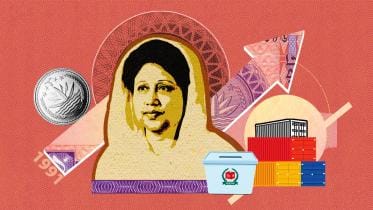
Khaleda Zia’s economic legacy, lessons, and the road ahead
Over the 55 years since Bangladesh's independence, the processes of state-building, political transformation, and economic reconstruction have unfolded in deeply interconnected ways.
6 January 2026, 02:00 AM
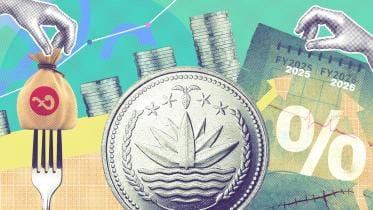
Bangladesh economy in 2025 and expectations for 2026
The outlook for FY2026 indicates a modest recovery, although some risks remain.
31 December 2025, 02:00 AM

Unchecked violence casts a shadow on our economy
The recent wave of violence has revealed a deeply worrying trend in public life.
23 December 2025, 02:00 AM
Victory Day and the republic we owe ourselves
The erosion of democracy became most pronounced between 2014 and 2024.
16 December 2025, 03:00 AM
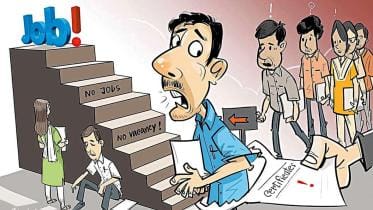
How to bridge education and employment in Bangladesh
Bangladesh's inability to create adequate opportunities for its young population has moved far beyond an economic concern.
10 December 2025, 02:00 AM

COP30 brings both hope and letdowns for vulnerable countries
COP30 could not deliver concrete actions to phase out fossil fuels and advance climate finance, but some new opportunities were created for vulnerable countries.
4 December 2025, 02:00 AM
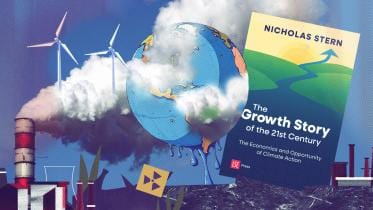
Global South to write 21st century's growth story
As the impacts of climate change become more severe with deadly heatwaves, eroding coastlines, rising food prices, and increasing social and economic instability, affected countries, particularly poor ones, are getting concerned about having to slow their development while addressing climate change.
25 November 2025, 02:00 AM

It is time Bangladesh pursued inclusive growth
Emerging from the ruins of the war of independence in 1971 with a devastated economy, Bangladesh has gradually transformed into a vibrant lower-middle-income country.
18 November 2025, 02:00 AM
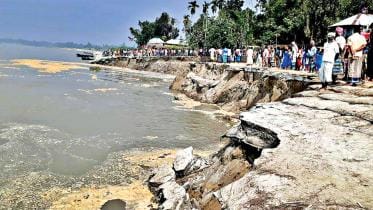
Can COP30 deliver on climate promises?
Global attention has currently turned to Belém, one of the gateways to the Brazilian Amazon, where the climate community has gathered for the 30th Conference of the Parties (COP 30) under the United Nations Framework Convention on Climate Change (UNFCCC).
12 November 2025, 02:00 AM

Bangladesh Bank’s autonomy is key to economic stability
In Bangladesh, successive governments have undermined the autonomy of the Bangladesh Bank.
4 November 2025, 02:00 AM
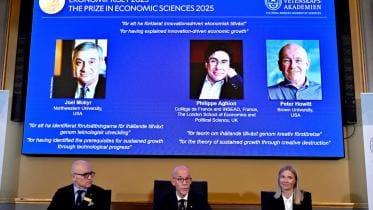
Why the 2025 Nobel prize in economics matters for us
When automation and artificial intelligence are transforming economies, the Nobel laureates’ work offers caution and hope.
15 October 2025, 02:00 AM
Bangladesh raises the bar in global climate commitment
Bangladesh pledges to reduce emissions from energy sources by 26.46 percent by 2035.
7 October 2025, 02:00 AM