


democracy

Why a benevolent dictatorship will not succeed in Bangladesh
The tendency to argue that Bangladesh needs an authoritarian leader—provided that leader is benevolent—remains a middle ground to which many retreat, especially when they believe voters lack sufficient literacy to make informed choices
13 April 2026, 12:00 PM
Guard the ballot: February 12 vote must not be stolen
This is not merely an election. It is a referendum on whether Bangladesh can govern itself without a strongman or a coup.
10 February 2026, 00:00 AM
Bangladesh’s renewed democratic chance
The road to Bangladesh’s next general election, due on February 12, could decide far more than who governs next. It could determine whether the country restores its democratic soul or slips further into polarisation.
18 January 2026, 13:00 PM

Why we must save institutions that whisper moderation into our society
Bangladesh has long depended on quiet, steady forces that make good choices feel natural: teachers who turn study into habit, newspapers that promotes tolerance, and cultural bodies that rehearse pluralism in public life.
28 December 2025, 04:00 AM
Bauls, ballots, and the price of weak institutions
The surest sign of a liberal democracy is not a flag, nor a constitution framed behind glass. It is the quiet competence of institutions—and the political culture that keeps them honest. One shapes the other the way a river shapes its banks, and the banks, in turn, discipline the river.
19 December 2025, 05:00 AM
Citizens’ vigilance key to resilient democracy
Political analysts urged citizens to remain vigilant all the time, not only in holding their own governments to account, but also in questioning the global systems that help shape crises in developing nations.
23 November 2025, 18:37 PM
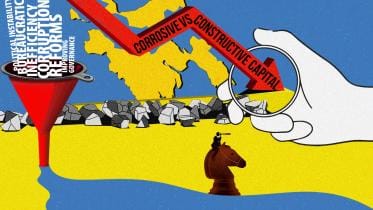
We must distinguish between corrosive and constructive capital
Money moves more quickly than ever in the modern world. However, not all money is what it seems or claims to be. While some subtly advance hidden interests and undermine accountability, others create opportunity, institutions, and trust.
13 November 2025, 02:00 AM

Is the government’s inefficiency or purposeful leniency not a threat to democracy?
With almost every new day, we, the ordinary people, are forced to see a new height of grotesque mob violence.
15 September 2025, 11:33 AM
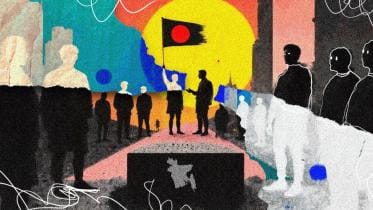
A cautionary tale of political transformation in Bangladesh
Beyond the constitutionally recognised political parties, there exists an invisible yet influential force in society: the “Comfort Party.”
9 May 2025, 09:30 AM
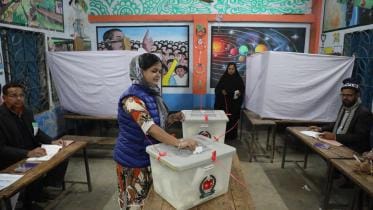
The need for smart election observation
The return of multi-party democracy would be the first step necessary to reset Bangladesh’s embittered political culture.
9 May 2025, 07:00 AM

Democracy in the digital age: Lessons from Bangladesh and beyond
The internet, once a mere repository of information, has evolved into the most formidable arena for political engagement.
24 April 2025, 10:28 AM
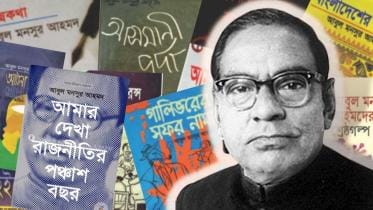
Abul Mansur’s lament was the unfulfilled promise of democracy
Following autocracy's fall, debates on the constitution, elections, & democracy intensify, echoing Abul Mansur Ahmad's insights.
18 March 2025, 02:31 AM
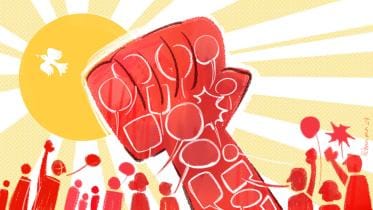
Why Bangladesh needs deliberative democracy now
The July Revolution of 2024 marks Bangladesh's shift toward deliberative democracy.
23 February 2025, 07:00 AM
Democracy ends where leadership begins
The Daily Star analysis of 25 political parties
4 January 2025, 18:28 PM
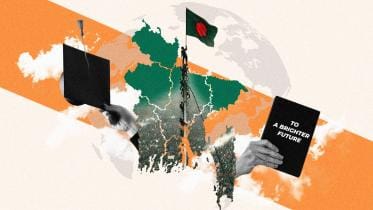
From crisis to change: The right education can sustain the revolution
Standing on the isthmus of change, we must avoid any form of myopia.
28 December 2024, 02:00 AM
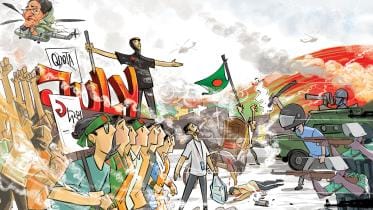
You have crushed fascism, now strengthen democracy and press freedom
The Daily Star Editor Mahfuz Anam's appeal to the ‘new generation leaders’
29 November 2024, 18:00 PM

We must build a foundation for genuine democracy
Democracy cannot operate as a simple majority steamroller, as we also saw in the early days of our independence.
17 November 2024, 02:00 AM
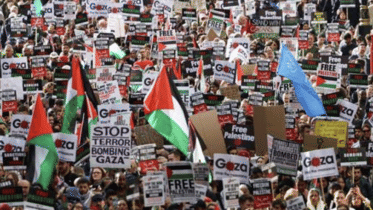
A global wake-up call
The idea of dedicating a day to promote harmony and peaceful coexistence—a day that fosters diversity, justice, and understanding across borders, cultures, and beliefs—seems promising in theory.
16 November 2024, 04:00 AM

Freedom is more than the absence of oppression
Dissent in Bangladesh has been met with hostility, with individuals being labelled as traitors or enemies of the state for expressing opposing views.
9 November 2024, 07:00 AM

Are we trying to get ‘everything, everywhere, all at once’?
The euphoria of August 5, and the momentous days leading up to it, especially since July 15, are now being overshadowed by a cloud of uncertainty.
25 October 2024, 04:00 AM