


climate finance
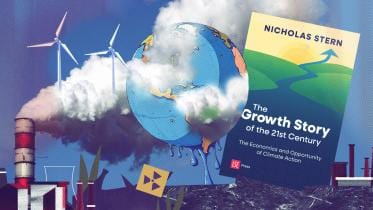
Global South to write 21st century's growth story
As the impacts of climate change become more severe with deadly heatwaves, eroding coastlines, rising food prices, and increasing social and economic instability, affected countries, particularly poor ones, are getting concerned about having to slow their development while addressing climate change.
25 November 2025, 02:00 AM
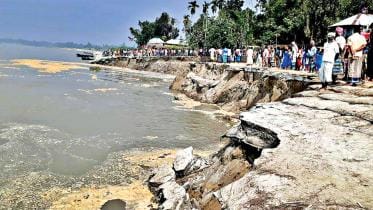
Can COP30 deliver on climate promises?
Global attention has currently turned to Belém, one of the gateways to the Brazilian Amazon, where the climate community has gathered for the 30th Conference of the Parties (COP 30) under the United Nations Framework Convention on Climate Change (UNFCCC).
12 November 2025, 02:00 AM

Climate finance fuels ‘debt trap’
From 2002 to 2023, Bangladesh secured only $1.41 billion in adaptation funds, less than 1 percent of its projected needs.
10 November 2025, 18:10 PM

Can COP30 elevate climate adaptation?
Adaptation is perceived as providing only local or national benefits.
9 November 2025, 10:07 AM

Why we need a new climate finance approach
Most of the recent discussions on climate change in Bangladesh have been focused solely on funding.
29 October 2025, 05:00 AM

The missing morality in modern climate policy
We have been witnessing a de-emphasis of public responsibility in the post-Paris years and a re-emphasis on financing by the private sector.
22 September 2025, 06:00 AM
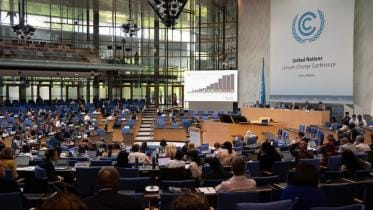
Was the Bonn climate talk promising for the upcoming COP30?
The COP30 presidency wishes to achieve some tangible outcomes.
6 July 2025, 04:00 AM
The role that the financial sector can play to combat climate change
The theme for this year is “Our Power, Our Planet.”
22 April 2025, 09:15 AM

Climate finance can be hard sell, says aide to banks and PMs
Developing countries, excluding China, will need $1 trillion a year by 2030 in outside help to reduce their carbon footprint and adapt to a warming planet, according to UN-commissioned experts.
17 November 2024, 04:13 AM
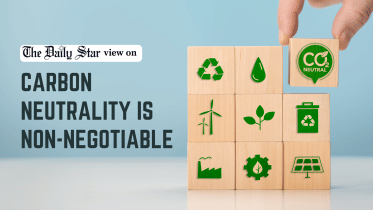
Carbon neutrality is non-negotiable
Major polluters must help nations most vulnerable to climate change.
15 November 2024, 04:00 AM
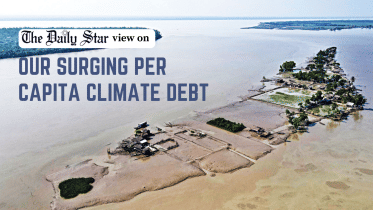
Climate debt is an unfair burden for Bangladesh
COP29 must secure fair climate finance for vulnerable nations
11 November 2024, 15:35 PM
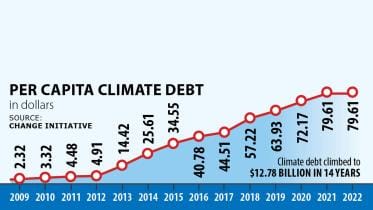
Bangladesh’s climate debt keeps climbing
As global leaders gather in Baku, Azerbaijan to discuss finance at the 29th climate conference, the most vulnerable countries like Bangladesh are demanding new and additional climate finance that does not exacerbate climate debt.
10 November 2024, 18:14 PM

COP29: A quick run-through of the finance agenda
The centrepiece of this year’s COP agenda is undoubtedly climate finance.
10 November 2024, 10:30 AM

What to expect at COP29?
It is expected that the NCQG will establish a comprehensive definition of climate finance, promoting consistency and transparency in climate finance reporting.
5 November 2024, 09:44 AM

Climate finance billions at stake at COP29
At the UN negotiations, climate finance has come to refer to the difficulties the developing world faces getting the money it needs to prepare for global warming.
9 October 2024, 05:05 AM

Are multilateral financial institutions doing enough to ensure climate justice?
She alleges that the development paradigm still reflects the colonial framework of power relationships.
2 June 2024, 01:00 AM

Justice and finance at COP28
COP28 in Dubai highlights the pressing issues of climate justice and financing amid a worsening climate emergency.
7 December 2023, 01:00 AM
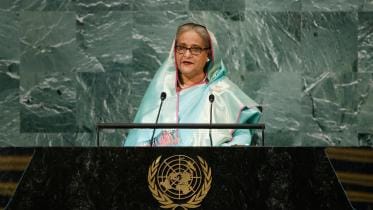
We expect major economies to do their fair share: PM
Prime Minister yesterday said that the Climate Vulnerable Forum's repeated calls for an equal distribution of climate finance between adaptation and mitigation have received little response
21 September 2023, 04:00 AM

Taxing air travel could fund climate victims
Public financing from developed countries will never be sufficient.
14 February 2023, 01:00 AM
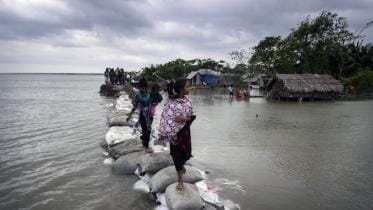
COP27: Bangladesh wants climate finance doubled by 2025
Bangladesh has demanded that developed countries double their collective provision of adaptation finance by 2025, as was agreed at COP26 in Glasgow last year, and provide support to vulnerable countries to implement the National Adaptation Plan (NAP).
16 November 2022, 03:33 AM