


Career tips

The Gen Z guide to thriving in your first job
Your first job feels a bit like walking into adulthood with Google Maps turned on, praying the little blue dot knows where it is going. You are excited, anxious, overprepared in weird ways, and underprepared in the ways that matter.
18 December 2025, 03:47 AM

How to futureproof your IT leadership career
AI is rewriting job descriptions, regulations are tightening, and value is shifting from projects to enduring products and platforms. To prosper through the next decade, treat your career as a system with three compounding levers: capability, credibility, and capital.
21 October 2025, 05:05 AM

The art of strategic quitting
Strategic quitting is the art of stepping away with purpose, timing, and a plan. It is about recognising when the cost of staying outweighs the benefits, and making the decision before that cost becomes too high.
26 August 2025, 07:51 AM

Working well: the art of strategic breaks and genuine disconnection
The idea of taking a break from work may feel radical. Yet strategic pauses, whether they are micro-breaks during the workday or complete disconnection on holiday, are increasingly recognised not as indulgences, but as essential investments in productivity, creativity, and well-being.
19 August 2025, 07:23 AM

The Gen Z guide to networking
For students and recent graduates, networking can provide access to internships, mentorship, industry insights, referrals, and even long-term career opportunities. But how do you begin building a network when you are just starting out?
19 August 2025, 05:12 AM

Running on empty? How to recharge before burnout hits
Burnout doesn’t always announce itself dramatically. It creeps in slowly. Maybe it’s the Sunday morning dread, the constant fatigue, or the sense that even simple tasks feel heavy. If you’re feeling drained but aren’t ready to walk away, don’t panic. You can course-correct before you hit full burnout.
29 July 2025, 04:36 AM

Is the CFA the right choice for you?
The Chartered Financial Analyst (CFA) program is administered by the CFA Institute and is often considered one of the most prestigious credentials in the finance industry. While it is ideal for finance professionals, not all functions require it and hence, the CFA journey is not worth it for everyone. This guide explores who should consider the CFA, what value it adds to a career in finance, and what alternative qualifications might be worth considering.
4 June 2025, 05:49 AM

Climbing the corporate ladder: top strategies for career advancement
Climbing the corporate ladder requires a strategic approach that encompasses continuous learning, strong professional relationships, and a proactive attitude towards growth. Employees who want to advance must demonstrate their value in ways that align with both personal ambitions and the evolving needs of their organisations.
26 February 2025, 05:15 AM

Will overworking get you ahead?
We’ve all been there—burning the midnight oil, skipping lunch breaks, or replying to emails at 2 am because we believe that grinding harder than everyone else is the golden ticket to promotions and respect. But is it really? The truth is far more nuanced than a simple 'yes' or 'no'.
26 February 2025, 04:07 AM

How to identify and brand your most marketable trait
Your standout trait is your personal brand’s signature move. It’s the thing people remember you for, whether it’s your knack for solving problems, your ability to connect with people, or your expertise in a specific area. And once you’ve nailed it, you can weave it into everything—your resume, your LinkedIn profile, even how you introduce yourself at networking events.
11 February 2025, 04:42 AM

5 bad habits of high-potential employees
Despite emphasising the equal weightage of business and people, many organisations end up overlooking the negative impact of these ambitious talents on team morale. When left unchecked, they can have serious consequences on long term business results. Watch out for these 5 bad habits commonly found in high-potential employees.
26 November 2024, 06:35 AM

How soon should you switch careers?
Switching careers—for both new professionals and seasoned veterans—is a risky decision to take. So, when is the optimal time to consider switching careers?
13 November 2024, 03:46 AM

5 types of people you should keep in your professional network
No matter what step you are in your career, networking can make or break your professional success. But, who should you prioritise on your list?
24 September 2024, 03:08 AM

How to conduct a 'career audit' for yourself
Just as companies conduct annual performance reviews to assess employee performance, you could do a "career audit" for yourself as well. This should help you reflect on your professional accomplishments so far, and help you decide whether or not you are satisfied in your current role.
11 September 2024, 06:05 AM

Striking the balance between living alone and a full-time career
If you want to maintain consistently satisfactory job performance and aim for promotions, you need to strike a difficult, but not impossible, balance when living on your own. Here are some simple ways you can do so.
27 August 2024, 04:32 AM

Emotional intelligence: The X-factor for professional success
Experienced professionals will admit that emotional intelligence is a secret weapon in today's workplaces; guiding you through office dynamics and fostering collaboration with teammates. If you plan to level up your professional success, you must come to terms with your emotional intelligence, and, if possible, improve it.
6 January 2024, 04:03 AM

How to craft your personal brand in the contemporary job market
In today's fluid job market, the concept of personal branding has ascended from a marketing buzzword to a career imperative. Your personal brand isn't just a lofty abstract; it's a concrete strategy that could well determine your career trajectory. Here's how you can lay its foundations.
16 September 2023, 03:23 AM

Why building a strong network is vital for professionals
In today's dynamic professional landscape, the significance of building a robust network cannot be overstated. It's not just about accumulating business cards or LinkedIn connections – networking for professionals is a strategic investment in your career that goes beyond mere social interaction.
9 September 2023, 03:15 AM
Career tips for seasoned professionals starting a new job
Embarking on a new job as an experienced professional can still bring its own set of challenges and uncertainties. To ensure a successful transition and make the most out of your first day, consider these valuable tips.
11 August 2023, 18:00 PM
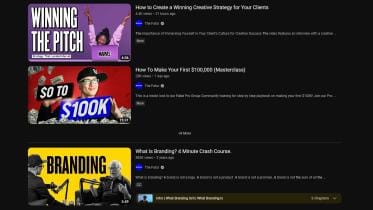
Follow these 9 YouTube channels for career tips
YouTube has become one of the most popular platforms for individuals seeking knowledge on various topics, including career growth. The site is filled with channels dedicated to providing tips, strategies, and insights that can help professionals advance in their respective fields.
30 March 2023, 11:19 AM