


Sustainability and ethics: The next business strategy
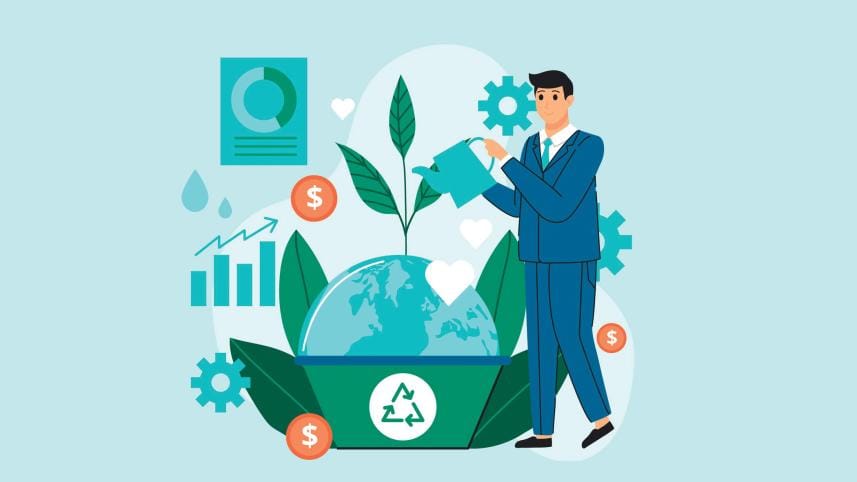
Sustainability and ethics have evolved from optional ideals to core business imperatives. Facing environmental crises, social inequalities, and rising stakeholder expectations, companies are now redefining their operations. Sustainability, rooted in environmental protection, social well-being, and economic health, follows the 'People, Planet, Profit' framework. Ethical practices emphasise transparency, fairness, and respect. Together, these principles create a startegic approach that creates trust, mitigate risk, and drive long-term value creation.
Across the world, businesses are adopting sustainability as a core strategic pillar. According to Oxford School Business, 'Sustainability is not just about reducing harm. It's about creating long-term value by balancing profitability with responsibility.' In today's global business landscape, sustainability and ethics are no longer just social values or symbolic ideas. They have become core strategic elements.
 For all latest news, follow The Daily Star's Google News channel.
 First, companies worldwide are adopting sustainable practices in their operations and product strategies. Many companies are signing Power Purchase Agreements (PPAs) for wind, solar, and battery storage. At the same time, the circular economy model is gaining traction, and businesses are shifting toward recycling, reusing materials, and minimising waste.
Second, technology has become essential for sustainability strategy. Global companies are using digital innovation, blockchain, IoT, and smart data systems to measure and report environmental and ethical performance. Third, businesses are increasingly integrating nature-based solutions and biodiversity protection into their strategies. Many companies now use "nature intelligence," which supports ecosystem restoration and strengthens long-term brand image while reducing operational risks.
However, significant challenges persist. A KPMG survey of 750 firms worldwide found three-quarters weren't ready for ESG-related assessments due to lacking appropriate tools, polices, and systems.
Another major challenge is greenwashing, companies claiming sustainability without implementing real change. It threatens stakeholder trust and long-term credibility towards that company. Despite these challenges, momentum is positive. Companies have increased sustainability budgets, compared. This demonstrates a tangible shift from symbolic commitments to measurable investments in ethical and sustainable business practices.
Comments