


Understanding Liver and Pancreatic Diseases: Why early action matters

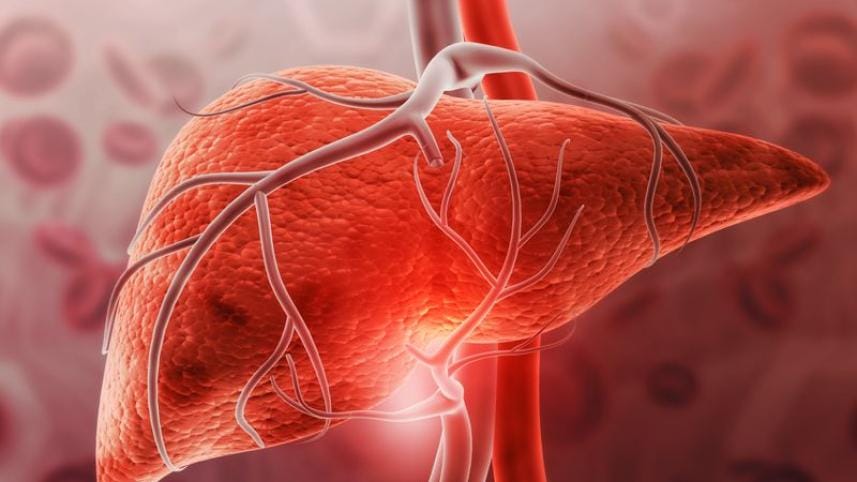
During his recent visit to Dhaka, Brian Goh Kim Poh, a senior Singaporean specialist with extensive experience in hepato-pancreato-biliary (HPB) and transplant surgery, spoke to The Daily Star about liver and pancreatic diseases, their growing public-health relevance, and the importance of prevention, early diagnosis and system-level preparedness.
What are HPB diseases, and why are they important?
HPB diseases involve the liver, pancreas and biliary system—organs that lie close together in the upper abdomen and are often treated surgically as a group. These conditions can be broadly divided into cancerous and non-cancerous diseases. Their public-health importance lies in the fact that many are silent in the early stages but can become life-threatening if detected late.
 For all latest news, follow The Daily Star's Google News channel.
 While cancers of nearby organs do not usually spread directly to one another, the liver is a common site for cancer spread from elsewhere in the body because of its rich blood supply. When doctors refer to "liver cancer", however, they usually mean cancer that originates in the liver itself.
Risk factors for liver and pancreatic cancer
The most common primary liver cancer is hepatocellular carcinoma (HCC). Its strongest risk factors include chronic hepatitis B or C infection and liver cirrhosis. Alcohol-related liver damage and exposure to certain toxins also increase risk. In recent years, fatty liver disease linked to obesity, poor diet and sedentary lifestyles has emerged as a major global concern.
Pancreatic cancer, on the other hand, has fewer clearly defined causes. Smoking and heavy alcohol consumption are the most consistent risk factors. Diabetes is frequently associated with pancreatic cancer, although it remains unclear whether diabetes increases cancer risk or whether early pancreatic cancer disrupts glucose control.
Prevention and early detection
For liver cancer, prevention focuses on reducing known risks: avoiding alcohol misuse, maintaining a healthy weight, and managing fatty liver disease through diet and weight loss. Public-health measures such as hepatitis B vaccination, prevention of mother-to-child transmission, and curative treatment for hepatitis C have already made a significant impact worldwide.
Pancreatic cancer is particularly dangerous because most patients are diagnosed at an advanced stage. However, certain precancerous pancreatic cysts—especially intraductal papillary mucinous neoplasms (IPMNs)—can be detected incidentally through scans. Careful long-term monitoring allows doctors to intervene before cancer develops.

Advances in surgery and treatment
One of the most important developments in HPB surgery over the past decade has been the gradual adoption of minimally invasive techniques, including laparoscopic and robotic surgery. These approaches reduce complications and improve recovery, but require highly specialised training and resources.
Equally important are advances in chemotherapy and targeted treatments, which can shrink previously inoperable tumours, allowing surgery to become possible. Complex transplant-based surgical techniques now also enable surgeons to remove cancers involving major blood vessels—something once considered impossible.
Liver transplantation: outcomes and challenges
Liver transplantation is used both for advanced non-cancerous liver disease and for selected patients with early-stage liver cancer. When strict criteria are met, outcomes for liver cancer patients can be as good as those for non-cancer cases, with five-year survival rates around 80 percent. More advanced cases still benefit, although success rates are lower.
In developing countries, the greatest challenge is not surgical expertise but the lack of an organised deceased-donor system. Living-donor transplants are common in Asia due to shortages of donated organs, but deceased-donor transplantation remains the safest and most ethical long-term solution. Establishing legal frameworks, hospital incentives and public awareness is crucial.

Global trends and lessons for Bangladesh
Worldwide, infections such as hepatitis B and C are declining due to vaccination and treatment. At the same time, fatty liver disease is rising rapidly, driven by obesity and lifestyle changes. Bangladesh is likely to face similar trends.
Professor Goh emphasises patient education as a cornerstone of prevention. People born before the introduction of hepatitis B vaccination should consider screening. Patients with chronic hepatitis or cirrhosis require lifelong six-monthly ultrasound checks and blood tests to detect cancer early—often before symptoms appear.
Final message
Many serious liver and pancreatic diseases are preventable or manageable if detected early. Lifestyle changes, vaccination, regular screening and strong public-health systems can dramatically improve outcomes. As Professor Goh notes, timely intervention not only saves lives but also reduces the long-term burden on families and healthcare systems.
Comments