When extreme heat becomes a death trap for Bangladesh’s workers
Working people in Bangladesh have long been engaged in an unequal struggle with nature. A single day of excessive rainfall can destroy a farmer’s crops, halt the work of day labourers, and bring street vendors’ sales to a standstill. In the northern districts, the onset of winter makes it difficult for workers without adequate clothing to continue working. Farmers and field workers lose their lives to lightning strikes, while fishers, farmers, and coastal communities suffer devastation from cyclones and floods. This adversarial relationship between labour and nature is not new; climate change has made it far more severe, uncertain, and deadly.
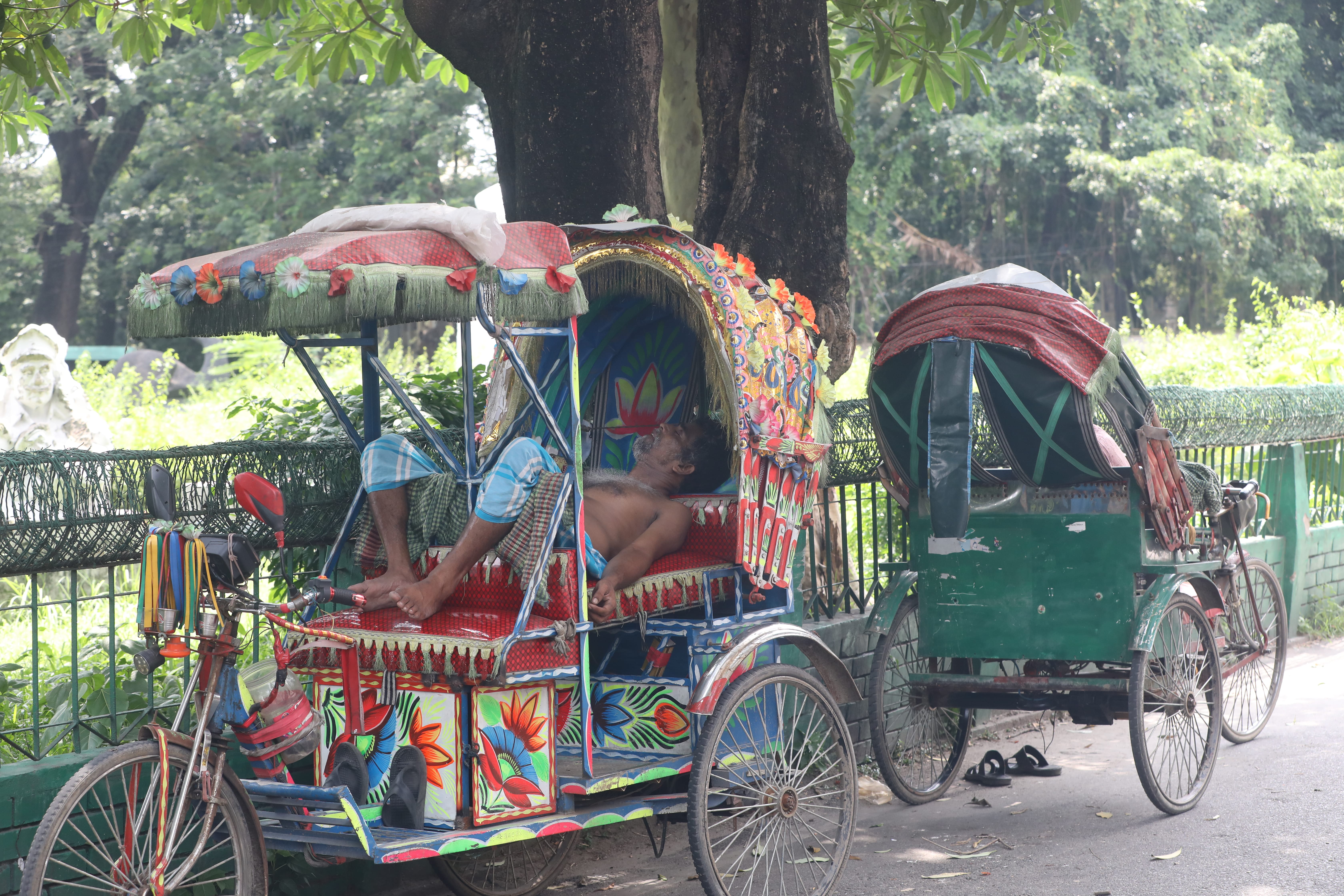
Extreme heatwaves have emerged as one of the most pressing threats. Summers in Bangladesh have always been hot, but in recent years, the intensity, duration, and health impacts of heatwaves have reached unprecedented levels. The burden of climate change is felt most acutely by those whose workplaces are exposed to the open sky or high-temperature environments: agricultural workers, construction labourers, transport workers, rickshaw pullers, street vendors, brick kiln workers, re-rolling mill workers, and employees in the garment sector.
Heatwaves are still widely perceived as a seasonal discomfort. In reality, they pose serious health risks. Excessive heat causes the rapid loss of water and salts from the body, leading to dehydration, heat exhaustion, heatstroke, kidney complications, cardiovascular risks, and various long-term health problems. Both the WHO and the ILO have warned that heat-related hazards at work are becoming some of the most critical occupational safety challenges driven by climate change.
Heat-related hazards at work are compounded by the fact that most workers cannot afford to stop working. A rickshaw puller continues to ply the streets even during extreme heat because missing a day’s earnings means no food for the family. An agricultural labourer works under the scorching midday sun because crop seasons do not wait. Structural limitations in the country’s social protection system have forced workers into a reality in which many do not even have the right to refrain from working, even when they are physically unwell.
Heat-driven hazards are not merely environmental or public health issues; they are fundamentally matters of social justice and labour rights. Those who contribute the least to pollution and are least responsible for climate change are now bearing its highest costs.
The Government of Bangladesh has recently begun to acknowledge heat-related health risks. The National Guideline on Heat-Related Illnesses provides important guidance on prevention, healthcare preparedness, and the protection of vulnerable populations. This is a positive step. However, the initiative remains largely centred on the public health sector. Critical issues related to workers’ conditions, such as workplace environments, working hours, rest periods, heat-risk management, and employer responsibilities, have yet to be adequately integrated into labour policies and legal frameworks.
Heat-driven hazards are not merely environmental or public health issues; they are fundamentally matters of social justice and labour rights.
Globally, heat-related occupational risks are receiving increasing policy attention. Many countries are adopting temperature-based work-rest cycles, mandatory breaks, heat action plans, early warning systems, and revised working hours. The International Labour Organisation has identified escalating workplace heat exposure as a key occupational health and safety challenge linked to climate change. Yet in Bangladesh, heatwaves are still not treated as a central issue of worker safety.
Although Bangladesh’s labour regulations require workplaces to maintain a “reasonable temperature”, there is no defined maximum temperature threshold. There are no mandatory heat-stress prevention policies, no structured heat action plans for extreme conditions, and no clear provisions for adjusting working hours or suspending work. There is also no legal obligation to provide breaks, paid rest, shaded rest areas, or cooling zones for workers in high-heat environments. Furthermore, systems for recording and reporting heat-related illnesses, fainting incidents, or deaths are lacking. As a result, the issue remains largely invisible and insufficiently addressed in policy discussions.
This policy gap not only affects workers’ health but also has broader economic consequences. According to a recent World Bank analysis, heat-related physical and mental health conditions led to the loss of 250 million workdays in 2024. This cost the economy up to $1.78 billion, or around 0.4 per cent of GDP. Reduced productivity, lost working hours, increased healthcare costs, and declining worker capacity collectively drive these losses. Addressing heat stress, therefore, is not only a humanitarian responsibility but also an economic necessity.
Another critical dimension of the problem lies in infrastructure and urban planning. Most cities and industrial areas in Bangladesh were developed without prioritising thermal regulation. Concrete, tin, asphalt, dense construction, and glass-clad buildings intensify heat retention. An office worker may find refuge in an air-conditioned space. However, a rickshaw puller, construction labourer, or street vendor must work outdoors in the same city, exposed to scorching roads, heat radiating from concrete surfaces, and prolonged periods of extreme heat. The lack of access to safe drinking water, rest areas, shaded seating, and emergency cooling facilities in urban areas further heightens workers’ vulnerability.
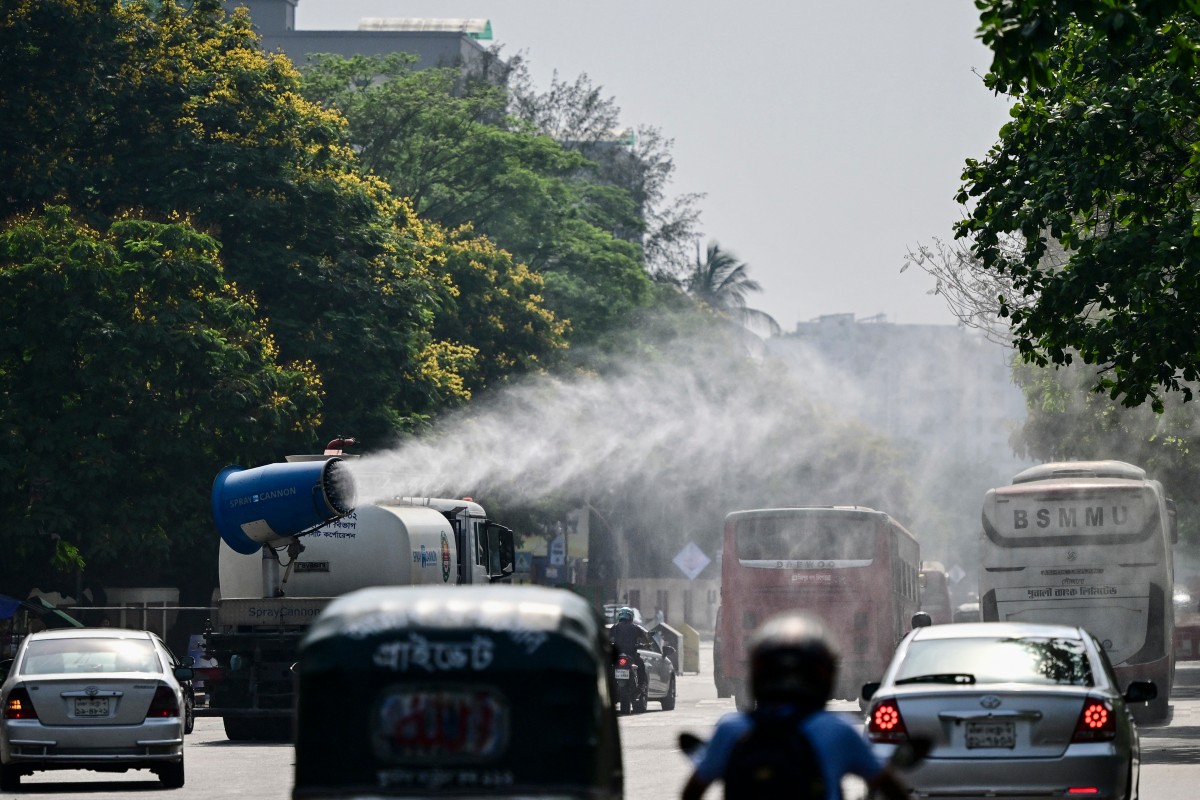
In this context, policymakers face a fundamental question: should climate change still be viewed as a future problem, or should it be placed at the centre of present-day labour and development policies?
First, heat-related risks must be explicitly incorporated into labour laws, regulations, and occupational health and safety frameworks. City authorities should ensure access to public drinking water facilities along roadsides, particularly for working populations. Second, sector-specific, temperature-based workplace guidelines should be developed, including provisions for mandatory rest and adjusted working hours or work suspension when temperatures exceed certain thresholds. Third, employers must ensure access to safe drinking water, shaded rest areas, and cooling zones at workplaces. Fourth, training programmes on heat stress, dehydration, and first aid should be introduced for workers and employers. Fifth, urban planning, industrial infrastructure, and building regulations must incorporate heat-resilient design as a mandatory consideration. Sixth, special measures are needed for informal workers.
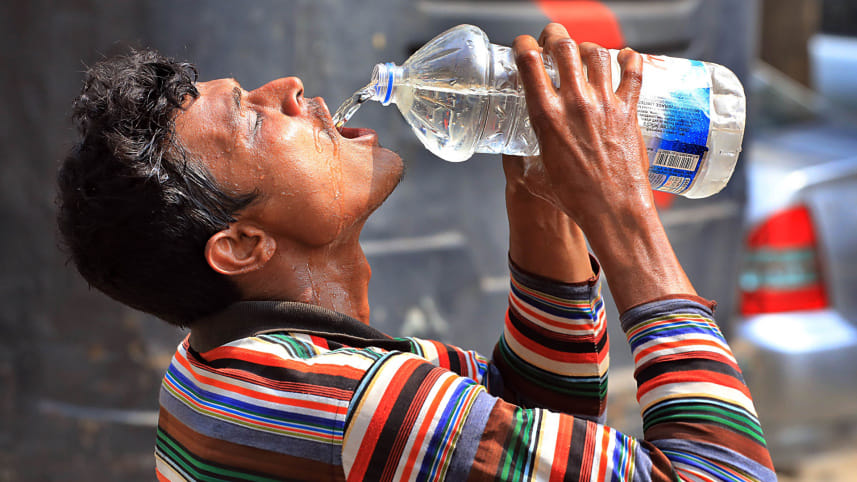
Cities should provide rest centres, water, and emergency support for rickshaw pullers, street vendors, and transport workers. In agriculture, working hours should be adjusted to avoid the midday heat and ensure safer working practices.
This is not merely a question of productivity or economics; it is a matter of human health, dignity, and the right to life and livelihood. The costs of preventing deaths from lightning strikes, reducing heat exposure, ensuring safe working conditions, and providing adequate rest can never outweigh the value of a worker’s life. In the era of climate change, worker protection is no longer a matter of welfare; it is a fundamental right. And without securing that right, Bangladesh’s development accomplishments will remain incomplete.
Syed Sultan Uddin Ahmmed is Executive Director, and Rezoanul Haque Azom is a Senior Officer at the Bangladesh Institute of Labour Studies (BILS).
Send your articles for Slow Reads to slowreads@thedailystar.net. Check out our submission guidelines for details.
The slow disappearance of Kuakata’s Rakhines
The cost of conservation in the Sundarbans
A 300-year-old shrine and the legend of Oggean Thakur

My father retired. Why can't my mother?
Why extreme heat hits girls hardest in Dhaka’s informal settlements
The killing of Sonadia’s mangroves: An eyewitness account

The future of a Sundarbans tigress
No girl should grow up without this knowledge
The mountain must not fall: Indigenous responses to landslides in Rangamati